Gallbladder & Biliary Disease: Managing Stones, Cholangitis, and ERCP
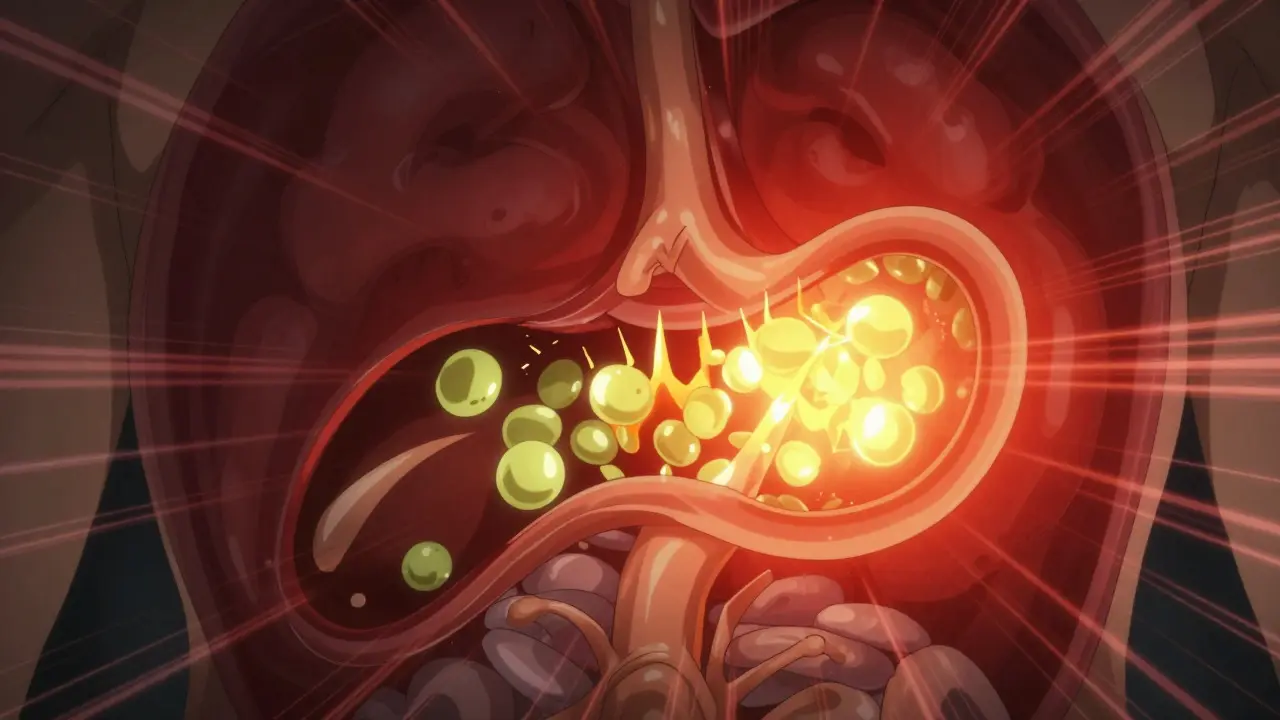
Imagine waking up with a pain in your upper right abdomen that feels like a freight train hitting you. It lasts for hours, leaving you exhausted and confused. If this sounds familiar, you might be dealing with Gallbladder and Biliary Disease, a condition affecting millions of people worldwide. These disorders involve the gallbladder, bile ducts, and the flow of bile, leading to issues like painful stones, dangerous infections, and the need for specialized procedures like ERCP.
Understanding what happens inside your body can make a huge difference in how you manage these conditions. Whether you are just starting to feel symptoms or preparing for a procedure, knowing the facts helps you ask the right questions. This guide breaks down the complex medical terms into plain English, focusing on what actually matters for your health and recovery.
The Quick Summary
- Gallstones are the most common issue, affecting about 10-15% of adults in developed countries.
- Cholangitis is a serious infection of the bile ducts that requires immediate medical attention.
- ERCP is a key procedure used to remove stones from the bile ducts, but it carries some risks.
- Laparoscopic cholecystectomy remains the gold standard for removing an inflamed or diseased gallbladder.
- Diet plays a crucial role in prevention and post-surgery recovery, particularly regarding fat intake.
What Are Gallstones and Why Do They Form?
Gallstones, also known as cholelithiasis, are solid particles that form in the gallbladder. Think of them as crystals that build up when your bile contains too much cholesterol, bilirubin, or calcium salts. Most people who have gallstones don't even know it until one causes a problem. However, if a stone gets stuck, it can block the tubes that carry bile, leading to intense pain and potential complications.
There are two main types of stones. The first type is cholesterol stones, which account for about 80% of all cases. These are usually yellow-green and form when there is excess cholesterol in the bile. The second type is pigment stones, making up the remaining 20%. These are darker and form due to excess bilirubin, often associated with liver diseases or blood disorders. Knowing the type of stone you have can influence treatment options, though surgery is often the primary solution for symptomatic cases.
Risk factors vary, but certain groups are more prone to developing stones. Women are affected about twice as often as men, largely due to hormonal influences. Other risk factors include being over 40, obesity, rapid weight loss, and diabetes. Interestingly, Native American populations have the highest prevalence globally, while Asian populations tend to have higher rates of pigment stones compared to Western populations. If you fall into any of these categories, paying attention to your digestive health is smart.
Recognizing the Signs: From Pain to Infection
The hallmark symptom of gallstone disease is biliary colic. This isn't just a mild ache; it’s a sudden, severe pain in the upper right or center of your abdomen. It often radiates to the back or right shoulder blade. The pain typically occurs after eating a fatty meal and can last anywhere from 30 minutes to several hours. Many patients describe it as feeling like something is squeezing their stomach tightly. If you experience nausea or vomiting along with this pain, it’s a strong indicator that a stone may be blocking the cystic duct.
When a stone blocks the cystic duct, it can lead to acute cholecystitis, which is inflammation of the gallbladder itself. This condition is more serious than simple colic because the trapped bile causes the gallbladder to swell and become infected. Symptoms include persistent pain, fever, and tenderness when pressing on the area. If left untreated, the gallbladder can rupture, which is a life-threatening emergency.
A more dangerous complication is cholangitis, an infection of the common bile duct. This happens when a stone moves from the gallbladder into the main bile duct and gets stuck. The classic signs, known as Charcot's triad, include fever, jaundice (yellowing of the skin and eyes), and right upper quadrant pain. In severe cases, patients may also experience confusion and low blood pressure, a progression called Reynolds' pentad. Cholangitis is a medical emergency that requires prompt antibiotic treatment and drainage of the bile ducts.
Diagnosis: How Doctors Find the Problem
Diagnosing biliary diseases usually starts with a physical exam and blood tests. Doctors look for elevated levels of bilirubin, alkaline phosphatase, and liver enzymes, which suggest a blockage or infection. However, imaging is key to seeing exactly what’s going on.
The first line of defense is an abdominal ultrasound. This non-invasive test uses sound waves to create images of your organs. It’s highly effective at detecting gallstones, with a sensitivity of around 84% and specificity of 96%. For most patients, an ultrasound is enough to confirm the presence of stones in the gallbladder.
If doctors suspect a stone has moved into the common bile duct, they often use Magnetic Resonance Cholangiopancreatography (MRCP). This is a specialized MRI scan that provides detailed images of the bile and pancreatic ducts without needing contrast dye or radiation. MRCP has a high accuracy rate, correctly identifying stones in over 95% of cases. It serves as a crucial bridge between diagnosis and treatment, helping doctors decide if an invasive procedure is necessary.
| Method | Sensitivity | Specificity | Primary Use | Invasiveness |
|---|---|---|---|---|
| Ultrasound | 84% | 96% | Detecting gallbladder stones | Non-invasive |
| MRCP | 95% | 97% | Detecting common bile duct stones | Non-invasive |
| CT Scan | Variable | Variable | Evaluating complications (e.g., pancreatitis) | Non-invasive (radiation) |
| ERCP | >90% | >90% | Therapeutic removal of stones | Invasive |
Treatment Options: Surgery vs. Endoscopy
For most people with symptomatic gallstones, the definitive treatment is removing the gallbladder. This procedure is called a cholecystectomy. Today, about 90% of these surgeries are done laparoscopically, meaning through small incisions rather than a large open cut. Laparoscopic surgery offers faster recovery times, less pain, and shorter hospital stays compared to traditional open surgery. Patients typically go home within a day or two and return to normal activities within a week or two.
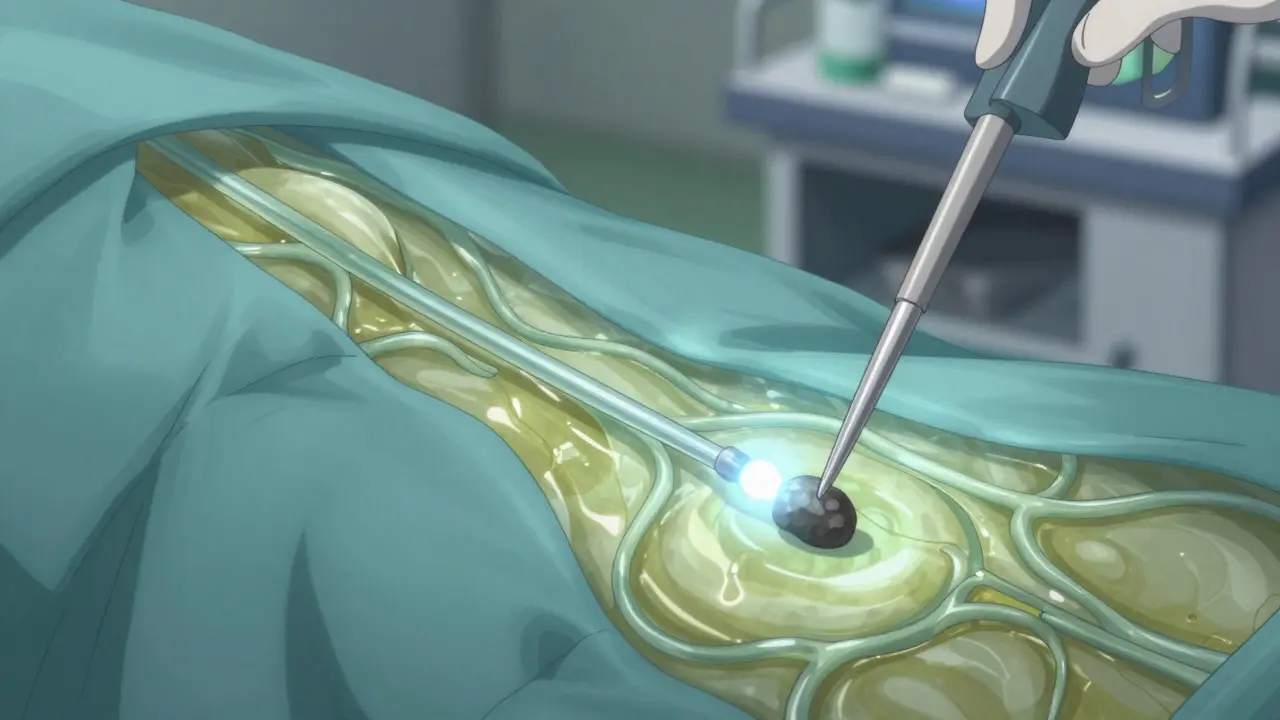
However, if a stone is stuck in the common bile duct, simply removing the gallbladder won’t solve the problem. You need to clear the duct first. This is where Endoscopic Retrograde Cholangiopancreatography (ERCP) comes in. ERCP is both a diagnostic and therapeutic procedure. A doctor inserts a thin tube with a camera through your mouth, down your esophagus, and into your small intestine. From there, they can inject dye to see the ducts and use special tools to grab and remove stones.
ERCP is highly effective, with technical success rates exceeding 90% in experienced hands. But it’s not without risks. The most common complication is post-ERCP pancreatitis, which occurs in 3-10% of cases. Other risks include bleeding, infection, and perforation. Because of these risks, doctors generally reserve ERCP for cases where treatment is clearly needed, using MRCP for diagnosis first whenever possible.
For those who aren’t good candidates for surgery, medication like Ursodeoxycholic acid (UDCA) can sometimes dissolve small cholesterol stones. However, this method only works for about 30-40% of patients and takes 6-12 months to show results. It’s not effective for pigment stones. Shock wave lithotripsy, which uses sound waves to break stones, has fallen out of favor due to high recurrence rates.

Living With and Recovering From Biliary Disease
Recovery varies depending on the procedure. After a laparoscopic cholecystectomy, many patients feel significantly better within 30 days. However, some develop post-cholecystectomy syndrome, characterized by persistent abdominal pain or digestive issues. About 12% of patients report ongoing problems that require further investigation. One common side effect is diarrhea, caused by the continuous flow of bile into the intestines without the gallbladder to store it. This usually improves over time, but some people may need medication to manage symptoms.
Diet plays a major role in recovery. Immediately after surgery, doctors recommend a low-fat diet for 2-4 weeks. Fat triggers the release of bile, and without a gallbladder to concentrate it, your body may struggle to digest large amounts of fat at once. Gradually reintroducing fats allows your body to adjust. Most patients can resume a normal diet within six weeks. Staying hydrated and eating smaller, more frequent meals can also help ease digestion during this transition period.
Prevention is always better than cure. Maintaining a healthy weight, avoiding rapid weight loss, and eating a balanced diet rich in fiber can reduce your risk of developing gallstones. Regular exercise helps regulate cholesterol levels and supports overall liver health. If you have a family history of biliary disease, staying vigilant about your symptoms is crucial. Early detection and appropriate management can prevent serious complications like cholangitis or pancreatitis.
Frequently Asked Questions
Do I need to remove my gallbladder if I have asymptomatic gallstones?
Generally, no. Asymptomatic gallstones rarely cause problems, and the risk of surgical complications usually outweighs the 1-2% annual risk of developing symptoms. Doctors typically monitor these cases unless specific high-risk factors are present.
How long does it take to recover from an ERCP?
Most patients recover quickly from ERCP. You can expect to return to light desk work within 48 hours, though throat soreness from the scope may last about five days. Full recovery depends on whether any complications arise.
Can I live a normal life without a gallbladder?
Yes, absolutely. Your liver continues to produce bile, which flows directly into your intestines. While you may need to adjust your diet temporarily to avoid heavy fats, most people lead completely normal lives without any long-term restrictions.
What is the difference between cholecystitis and cholangitis?
Cholecystitis is inflammation of the gallbladder itself, usually caused by a blocked cystic duct. Cholangitis is an infection of the common bile duct, usually caused by a blocked common bile duct. Cholangitis is considered more urgent and potentially life-threatening due to the risk of sepsis.
Is ERCP safe?
ERCP is generally safe but carries higher risks than purely diagnostic tests. The most common complication is pancreatitis, occurring in 3-10% of cases. It should be performed by experienced specialists, ideally at high-volume centers, to minimize risks.