IBS-Mixed: Managing Alternating Constipation and Diarrhea
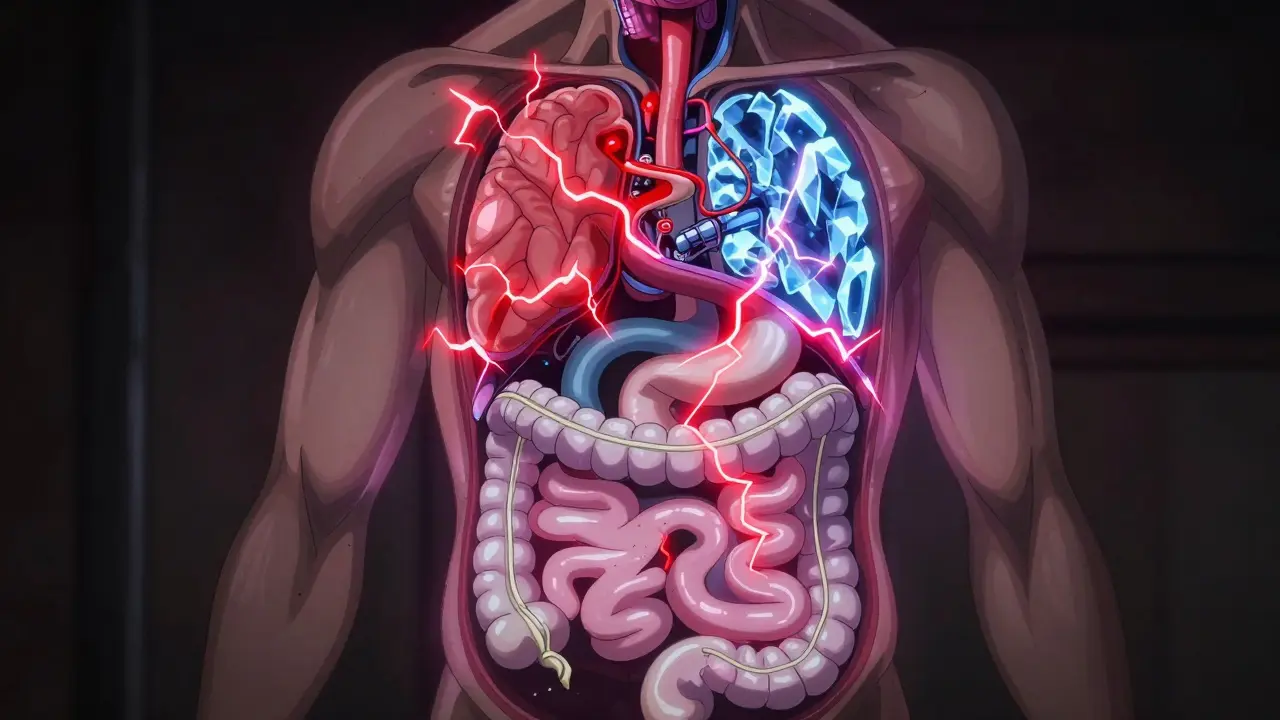
Imagine your digestive system is a car engine that randomly switches between stalling and redlining. One day you can’t go to the bathroom at all; the next, you’re running to the restroom every hour. This isn’t just bad luck-it’s IBS-Mixed, also known as Irritable Bowel Syndrome with Mixed Bowel Habits. It is a functional gastrointestinal disorder characterized by recurrent abdominal pain and alternating periods of constipation and diarrhea.
If you have been told you have IBS but feel like standard advice doesn’t fit because your symptoms flip-flop, you are not alone. About 20-25% of people with Irritable Bowel Syndrome fall into this specific category. The challenge? Treatments for constipation often make diarrhea worse, and treatments for diarrhea can lock up your bowels. So how do you manage two opposite problems at once?
Understanding the Diagnosis: What Exactly Is IBS-M?
To manage IBS-M, you first need to know what doctors are looking for. Unlike Inflammatory Bowel Disease (IBD), such as Crohn’s or ulcerative colitis, IBS-M does not cause visible damage or inflammation in your gut. Instead, it involves a communication breakdown between your brain and your gut nerves.
The diagnosis relies on the Rome IV criteria. To be classified as IBS-M, you must experience:
- Recurrent abdominal pain at least one day per week for the last three months.
- Pain associated with defecation (getting better or worse after a bowel movement).
- A change in stool frequency.
- A change in stool form (appearance).
- The Key Differentiator: At least 25% of your bowel movements involve hard or lumpy stools (Bristol Stool Scale types 1-2) AND at least 25% involve loose or watery stools (Bristol Stool Scale types 6-7).
This distinction matters because if you only had constipation, you’d be IBS-C. If only diarrhea, IBS-D. Because you have both, your treatment plan has to be more flexible.
The Dietary Approach: Navigating the Low FODMAP Diet
Diet is usually the first line of defense. For many, the Low FODMAP Diet is an elimination diet that restricts fermentable oligosaccharides, disaccharides, monosaccharides, and polyols to reduce gas and bloating. However, IBS-M patients face a unique hurdle here. Studies show that while 70-75% of IBS-D patients respond well to this diet, only about 50-60% of IBS-M patients see significant relief initially.
Why? Because some high-FODMAP foods that trigger diarrhea might actually help move things along during constipation phases. Here is how to approach it without starving yourself:
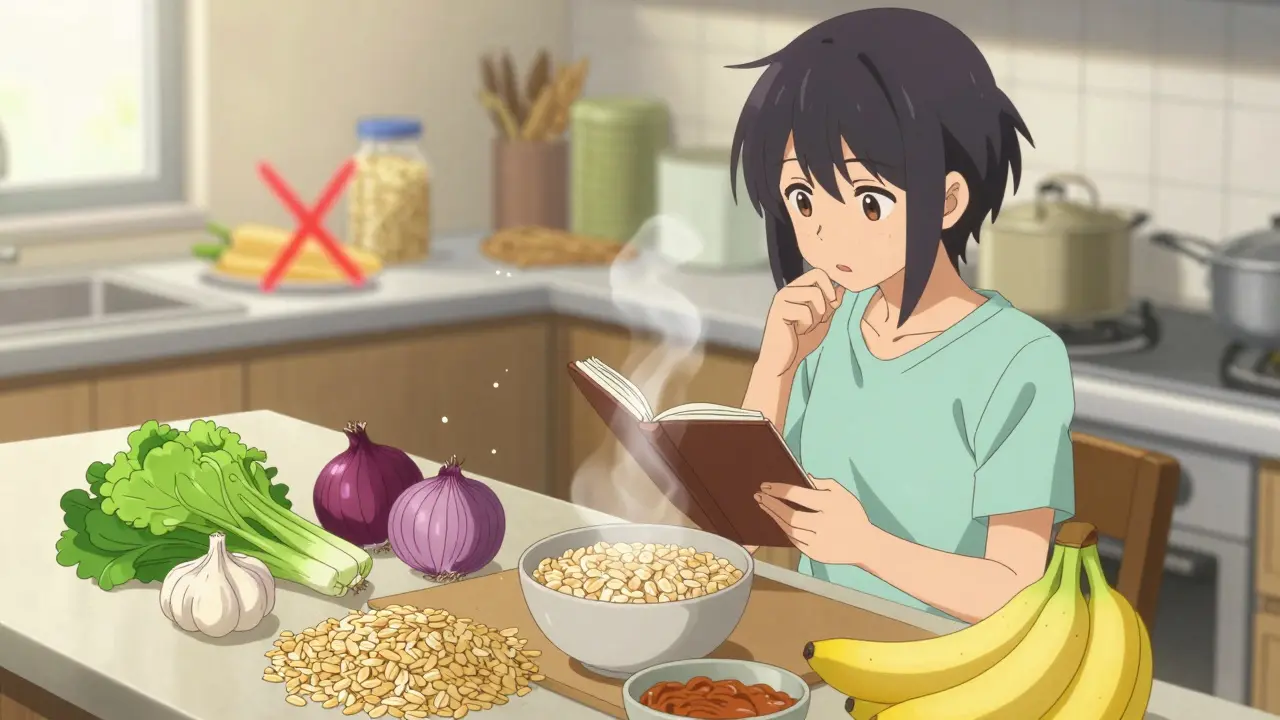
- Elimination Phase (2-6 Weeks): Cut out high-FODMAP foods like onions, garlic, wheat, certain fruits (apples, pears), and dairy if you are lactose intolerant. Track your symptoms daily using an app or journal.
- Reintroduction Phase (8-12 Weeks): This is critical. Do not stay on the restrictive diet forever. Systematically reintroduce food groups one by one to identify your personal triggers. A registered dietitian specializing in GI disorders is highly recommended here to prevent nutritional deficiencies.
- Personalization: You might find that garlic triggers diarrhea but helps regulate motility when taken in small amounts with probiotics. There is no universal "IBS-M menu," only your own body’s response.
Common triggers reported by 52% of IBS-M patients include dairy (28%), caffeine (24%), and high-fat foods (22%). Keeping a detailed log of what you eat alongside your Bristol Stool Scale rating can reveal patterns you might otherwise miss.
Medication Strategy: Balancing Opposing Symptoms
Pharmacology for IBS-M is tricky. Most prescription drugs target either constipation or diarrhea, not both simultaneously. As of 2026, there are no FDA-approved medications specifically labeled for IBS-M, though new therapies like ibodutant have shown promise in trials.
Instead, doctors often use a "split" strategy or off-label combinations:
| Medication Type | Primary Use | Effectiveness in IBS-M | Key Considerations |
|---|---|---|---|
| Antispasmodics (e.g., Dicyclomine) | Pain & Cramping | High (40-50% response) | Helps smooth muscle spasms regardless of stool type. Take before meals. |
| Antidepressants (TCAs/SSRIs) | Pain Modulation & Motility | Very High (55-60% response) | Low-dose TCAs slow the gut (helps diarrhea); SSRIs speed it up (helps constipation). Dual action on nerve pain. |
| Laxatives (e.g., PEG) | Constipation Relief | Moderate | Use cautiously. Can trigger diarrhea flares if dose is too high. |
| Antidiarrheals (e.g., Loperamide) | Diarrhea Control | Moderate | Use sparingly. Can worsen constipation days. Best for acute flare-ups. |
A common practical tip from patient communities is having two over-the-counter options ready: a gentle osmotic laxative like polyethylene glycol for constipation days and loperamide for diarrhea emergencies. The goal is not to normalize your stool every single day, but to prevent extreme swings.
The Gut-Brain Axis: Stress Management Matters
You might have heard that stress causes IBS. It’s more accurate to say stress amplifies it. Research indicates that 68% of IBS-M patients report symptom worsening during stressful periods. This happens via the gut-brain axis-nerve pathways that connect your emotional center to your digestive tract.
Cognitive Behavioral Therapy (CBT) is not just for anxiety; it is a medically recognized treatment for IBS. Clinical guidelines strongly recommend CBT for moderate to severe cases. Studies show it can reduce symptom severity scores by 40-50%, significantly more than education alone. Techniques include:
- Gut-Directed Hypnotherapy: Proven to reduce visceral hypersensitivity (pain perception in the gut).
- Mindfulness Meditation: Helps lower cortisol levels, which can calm gut motility.
- Stress Tracking: Note if your diarrhea spikes before work deadlines or social events. Anticipatory anxiety can physically alter bowel habits.
Dr. Anthony Lembo from Harvard Medical School notes that successful management plans almost always incorporate stress reduction techniques alongside diet and medication. Ignoring the psychological component often leads to suboptimal outcomes.
Supplements and Natural Remedies
While supplements are not cures, they can fill gaps in your management plan. Always consult your doctor before starting these, especially since interactions with medications are possible.
- Soluble Fiber (Psyllium Husk): Unlike insoluble fiber (which can irritate), soluble fiber absorbs water. It bulks up loose stools and softens hard ones. Start with a low dose (e.g., 5g daily) to avoid gas.
- Peppermint Oil: Enteric-coated capsules (like IBgard) act as natural antispasmodics. They relax intestinal muscles, reducing cramping and bloating. Note: Can cause heartburn in some users.
- Probiotics: Results vary widely. Strains like Bifidobacterium infantis have shown benefit in clinical trials for overall IBS symptoms. Trial different strains for 4 weeks each to see what works for your microbiome.
Creating Your Personal Action Plan
Managing IBS-M is a marathon, not a sprint. The average time to diagnosis is 6-7 years, so taking control now is empowering. Here is a step-by-step framework to build your routine:
- Rule Out Other Conditions: Ensure your doctor has checked for celiac disease, inflammatory markers (CRP), and blood counts. This confirms IBS-M is the correct diagnosis.
- Start Tracking: Use an app like Cara Care or a simple notebook. Record food, stress levels, sleep, and stool type (Bristol Scale) for 4 weeks. Data reveals patterns.
- Implement Diet Changes Gradually: Begin with the low FODMAP elimination phase under guidance. Don’t try to change everything at once.
- Establish a Baseline Medication Regimen: Work with your gastroenterologist to determine if a daily antispasmodic or low-dose antidepressant makes sense for pain modulation.
- Prepare for Flares: Keep a "go-bag" with wipes, a change of clothes, and emergency meds (loperamide or anti-diarrheal wipes) when traveling or attending long events.
- Review Monthly: Reassess what’s working. IBS-M symptoms can shift seasonsally or with life changes. Adjust your fiber intake or stress management tools accordingly.
Remember, improvement takes time. Most patients report significant gains after 3-6 months of consistent tracking and adjustment. You are learning a new language-the language of your own gut. With patience and the right tools, you can regain predictability and quality of life.
Can IBS-M turn into Crohn's disease or Ulcerative Colitis?
No. IBS-M is a functional disorder, meaning there is no structural damage or inflammation in the intestines. It does not progress to Inflammatory Bowel Disease (IBD) like Crohn's or ulcerative colitis, nor does it increase the risk of colon cancer. However, if you experience new symptoms like blood in stool, unexplained weight loss, or nighttime diarrhea, see a doctor immediately to rule out other conditions.
What should I eat during a diarrhea flare-up vs. a constipation flare-up?
During diarrhea flares, focus on binding foods like bananas, white rice, applesauce, and toast (the BRAT diet), and avoid high-fat or spicy foods. During constipation flares, increase water intake significantly and add soluble fiber sources like oats or peeled potatoes. Avoid insoluble fiber like raw veggies or bran during active pain episodes, as they can worsen cramping.
Are antidepressants safe for treating IBS pain?
Yes, when used at low doses for IBS. These medications are not prescribed to treat depression in this context but to modulate nerve signals in the gut-brain axis. Tricyclic antidepressants (TCAs) like amitriptyline can slow gut motility (helpful for diarrhea-predominant days), while SSRIs like fluoxetine may speed it up (helpful for constipation). They also reduce pain sensitivity. Always discuss side effects with your provider.
How long does it take to see results from the Low FODMAP diet?
Most people notice some improvement within 2-4 weeks of strict adherence. However, the full process-including elimination, reintroduction, and personalization-takes 8-12 weeks. Do not stay on the restrictive elimination phase indefinitely, as it can negatively impact your gut microbiome diversity.
Is there a cure for IBS-M?
Currently, there is no cure for IBS-M. It is a chronic condition managed through lifestyle, dietary, and medical interventions. The goal is symptom control and improved quality of life. Many patients achieve long-term remission where symptoms are minimal or absent, but vigilance regarding triggers is usually necessary.