Infographics About Generics: Visual Education Tools for Patient Understanding
Why Patients Still Doubt Generic Medications
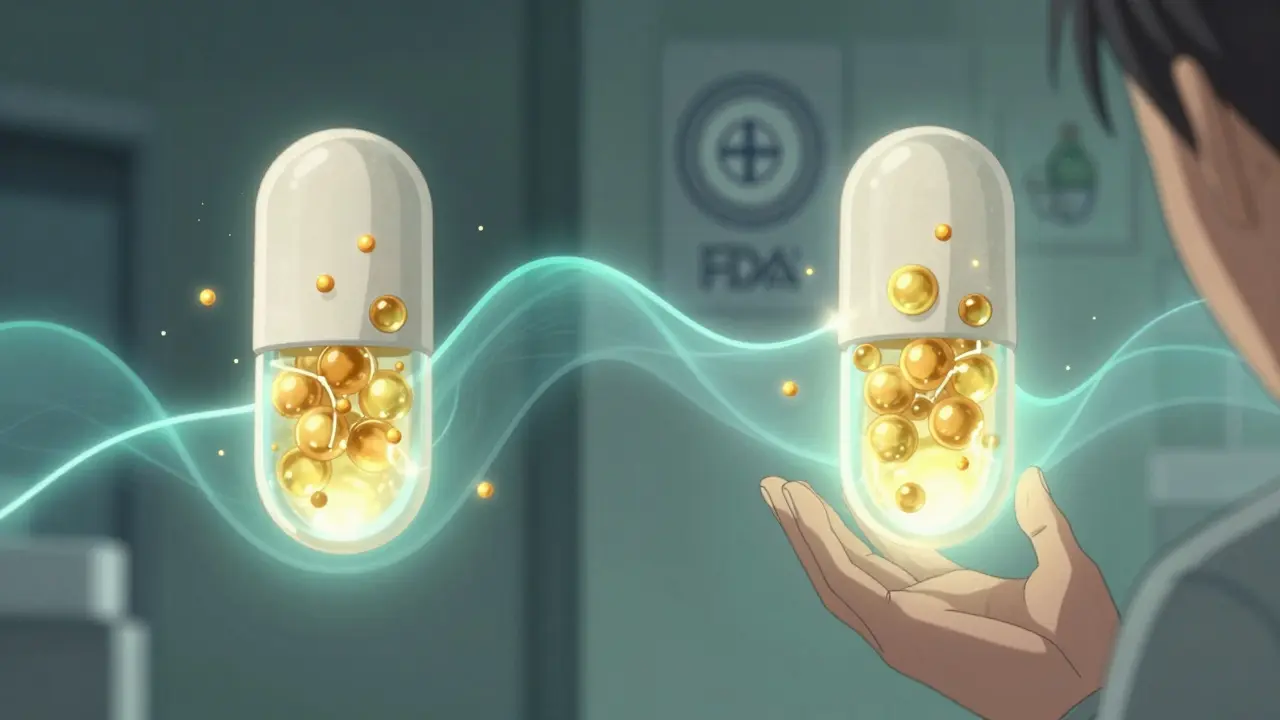
More than 90% of prescriptions filled in the U.S. are for generic drugs. Yet, nearly half of patients still worry they’re not as good as brand-name pills. Why? Because they look different. The shape, color, or even the tiny imprint on the tablet doesn’t match what they remember. That’s not a problem with the medicine-it’s a problem with communication.
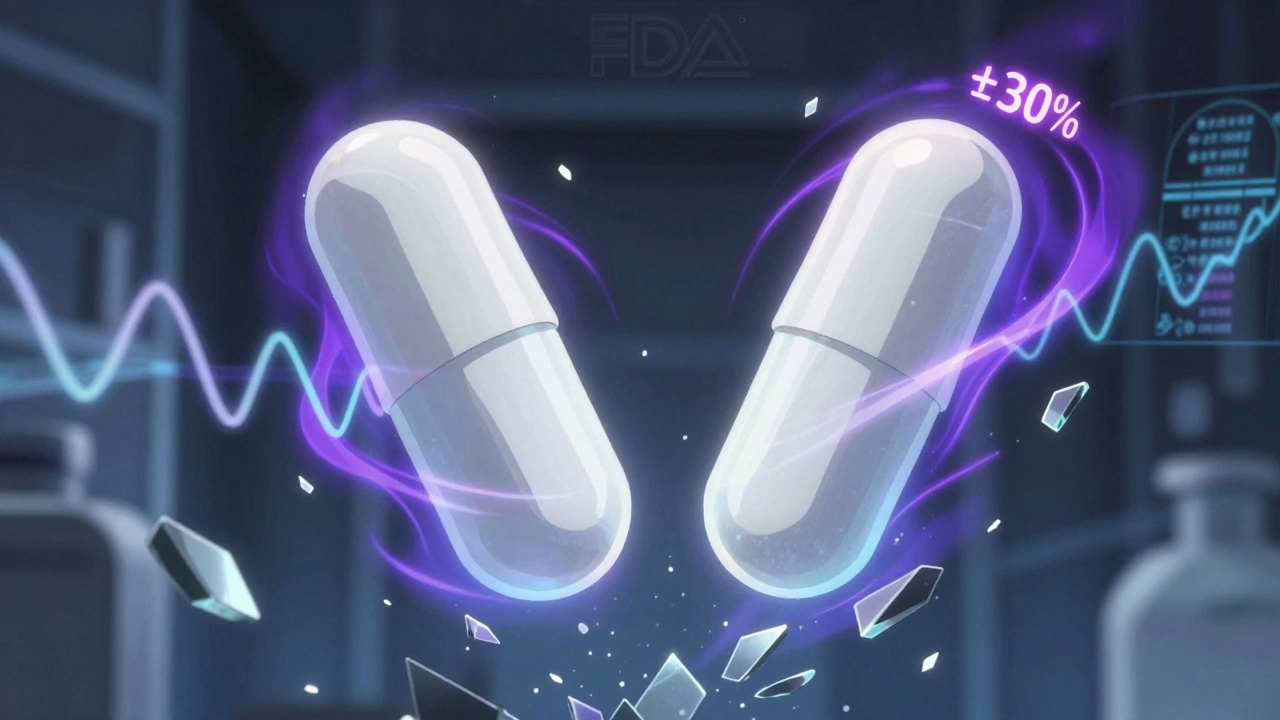
Infographics about generics were created to fix that gap. They don’t just explain science. They show it. A patient sees a side-by-side graphic of a brand-name drug and its generic version, with arrows pointing to identical active ingredients. Below, a simple graph shows how both dissolve at the same rate in the body. No jargon. No fine print. Just clear visuals that answer the unspoken question: Is this really the same?
How FDA Infographics Build Trust
The U.S. Food and Drug Administration (FDA) leads the way in designing these tools. Their infographics aren’t just pretty pictures. They’re tested. Before any graphic goes live, it’s shown to at least 30 real patients-different ages, backgrounds, education levels. If 85% of them understand the message, it’s approved.
One of their most popular infographics, titled What Makes a Generic the Same as a Brand-Name Drug?, uses dissolution curves to show how both versions break down in the body. In testing, 89% of patients correctly interpreted this visual. That’s far higher than text-only explanations, which only 52% understood. The graphic doesn’t say, “They’re the same.” It shows you, step by step, why they are.
Another key graphic breaks down the FDA’s approval process. It walks patients through the steps: bioequivalence testing, manufacturing inspections, post-market monitoring. Each step is a simple icon-a flask, a magnifying glass, a checklist. No legal terms. No Latin names. Just what matters: your medicine is checked, tested, and safe.
What These Visuals Don’t Show (And Why It Matters)
But not every story is told. Experts like Dr. Aaron Kesselheim from Harvard point out a blind spot: narrow therapeutic index drugs. These are medications where even tiny differences in how the body absorbs the drug can cause serious effects-like warfarin for blood thinning or levothyroxine for thyroid conditions.
Current infographics treat all generics the same. They don’t show patients that for these specific drugs, pharmacists must notify them before switching brands. That’s not a flaw in the medicine-it’s a flaw in the message. Patients need to know: Some generics are interchangeable. Others need your doctor’s approval.
Another missing piece? Health equity. African American and Hispanic patients report higher concerns about generic quality than white patients. Only one FDA infographic, Generic Drugs and Health Equity Handout, addresses this. It shows how generics lower out-of-pocket costs, making life-saving drugs accessible to low-income families. Without this context, the visual message feels incomplete.
How Clinics Use These Tools Every Day
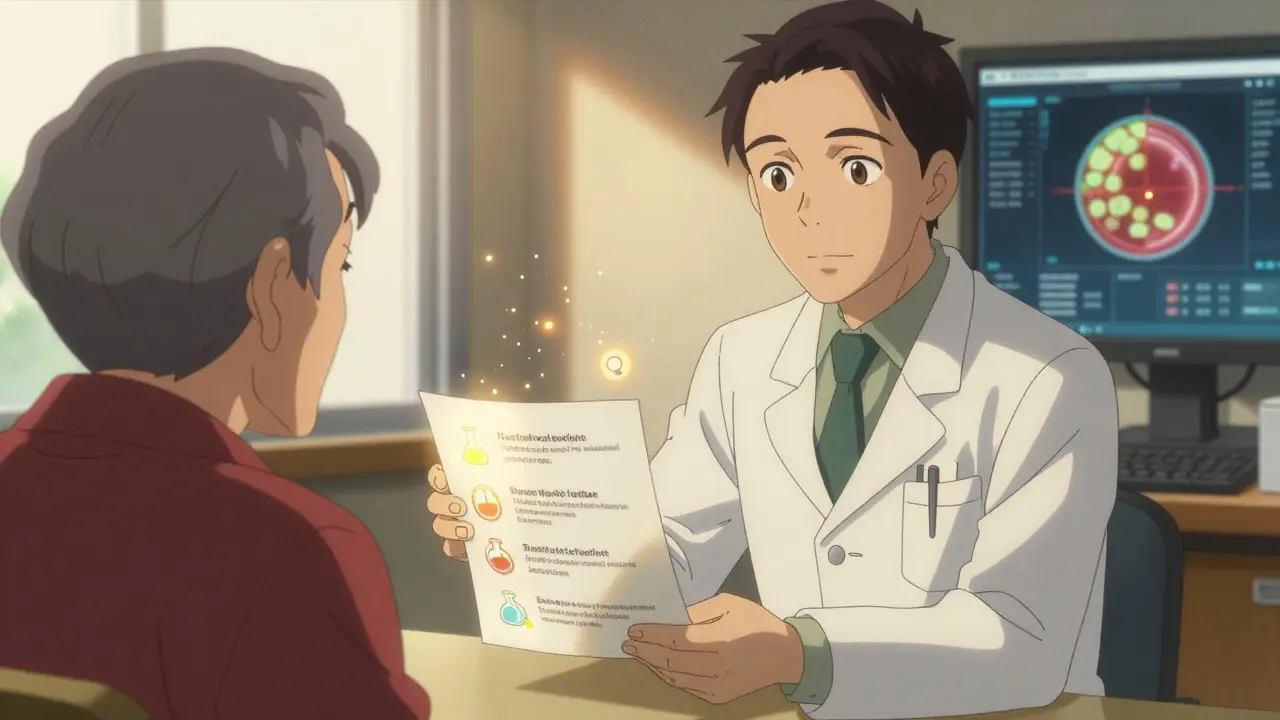
At Kaiser Permanente clinics in Southern California, pharmacists keep printed copies of FDA infographics behind the counter. When a patient hesitates to take a generic, the pharmacist doesn’t lecture. They hand them the graphic. In surveys, 63% of pharmacists said this cuts counseling time in half.
One pharmacist on Reddit shared: “I’ve printed this and keep it behind the counter-it cuts counseling time in half for generic questions.” That post got over 140 upvotes. Why? Because it works. Patients don’t argue when they see the science laid out plainly.
These infographics are also built into digital systems. Epic Health Records now includes FDA generic materials in patient portals. Since adding them in late 2022, over 450,000 patients have viewed them. That’s not just convenience-it’s proactive education.
Interactive Tools Are the Next Step
Static PDFs are useful, but they’re not enough. In January 2023, the GTMRx Institute launched interactive digital infographics. These let patients type in their medications and see a personalized breakdown: which drugs have generic versions, which don’t, and why.
One tool shows a timeline of patent expirations. Another lets users compare costs-how much they’d save switching from brand to generic. Early results show 27% better understanding compared to paper versions. Patients aren’t just reading-they’re interacting.
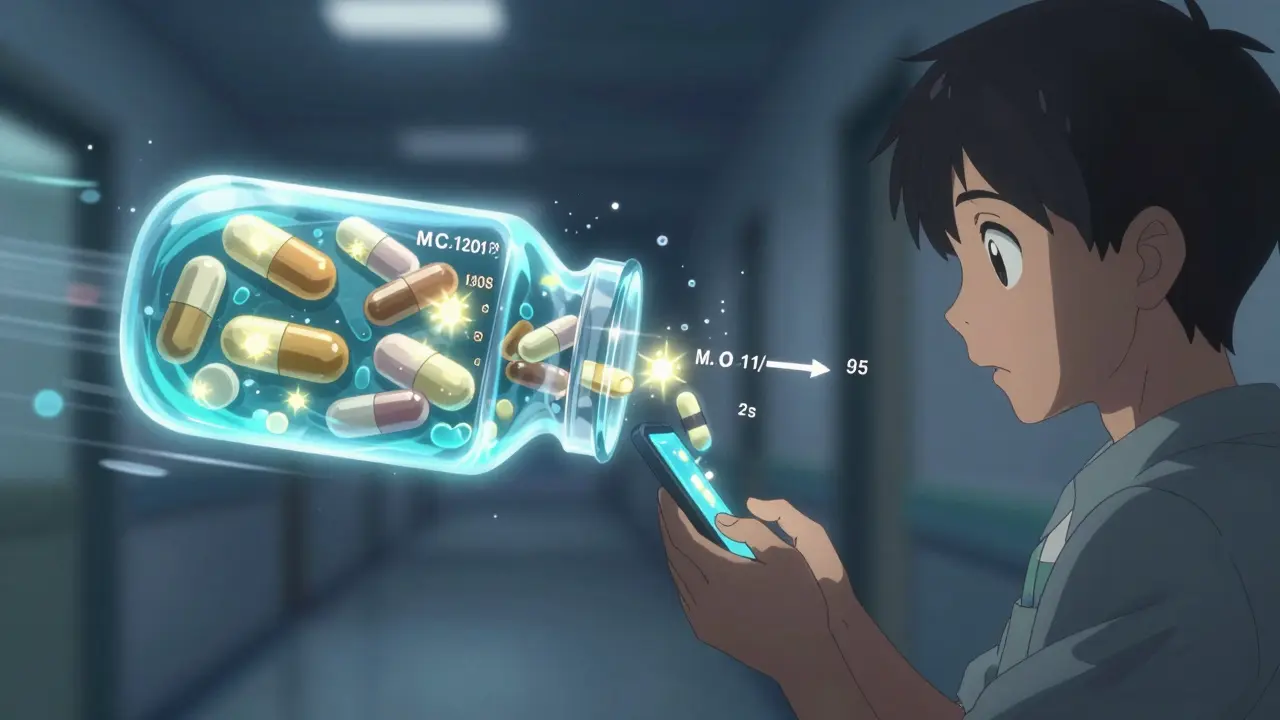
Even more exciting? The FDA is testing augmented reality. In a 2023 demo, patients scanned a pill bottle with their phone. A 3D model appeared, showing the active ingredient in both brand and generic versions, dissolving side-by-side in real time. It’s not science fiction-it’s coming in 2024.
Why This Matters for Your Health and Wallet
Generic drugs saved the U.S. healthcare system $1.68 trillion between 2010 and 2019. That’s money that went back into hospitals, research, and lower premiums. But savings only happen if people use them.
When patients understand that a generic isn’t a “cheap version”-it’s an identical medicine with the same active ingredient, same dosage, same safety profile-they’re more likely to take it. And that’s not just good for them. It’s good for everyone.
States with the highest generic use-like Oregon, at 93%-also have the highest infographic download rates. The link is clear: education drives adoption. And adoption drives savings.
How to Use These Tools
- Ask your pharmacist for the FDA’s What Makes a Generic the Same as a Brand-Name Drug? infographic. It’s free and available in Spanish.
- Check your clinic’s waiting room. Many now have printed copies on display.
- Visit the FDA’s website and search “generic drug infographics.” Download, print, or save them to your phone.
- If you’re on warfarin, levothyroxine, or other narrow therapeutic index drugs, ask your pharmacist: “Do I need to be notified before switching?”
- Share these visuals with family members who are skeptical. A picture beats a 10-minute explanation.
What’s Next for Generic Drug Education
The future is personal. Imagine getting a notification on your phone: “Your blood pressure med now has a generic. Here’s how it compares.” That’s not far off.
Legislation passed in 2022 and 2023 is increasing funding for these tools by 40%. More states are requiring pharmacies to offer visual education. And with generic use projected to hit 95% by 2028, the need for clear, trustworthy visuals will only grow.
But the goal isn’t just more sales of generics. It’s more confidence. More trust. More people taking the right medicine-without fear.
Are generic drugs really as effective as brand-name drugs?
Yes. Generic drugs contain the same active ingredients, in the same strength, and work the same way as brand-name drugs. The FDA requires them to meet strict bioequivalence standards-meaning they must deliver the same amount of medicine into your bloodstream at the same rate. Over 90% of prescriptions in the U.S. are for generics, and studies confirm they work just as well for treating conditions like high blood pressure, diabetes, and depression.
Why do generic pills look different from brand-name ones?
The appearance-color, shape, size, or imprint-isn’t part of the drug’s effectiveness. It’s determined by the manufacturer. Brand-name companies often use unique designs to build brand recognition, but federal law doesn’t allow generic manufacturers to copy those designs. That’s why your generic pill might look different, even though it contains the exact same active ingredient and works the same way.
Can I trust generic drugs made in other countries?
Yes. The FDA inspects all manufacturing facilities-whether in the U.S., India, China, or elsewhere-that produce drugs sold in America. Every facility must meet the same strict quality standards. In fact, many brand-name drugs are also made overseas. The country of origin doesn’t determine safety. The FDA’s inspections do.
Are there any drugs where generics aren’t recommended?
For most drugs, generics are safe and effective. But for a small group called narrow therapeutic index (NTI) drugs-like warfarin, levothyroxine, or certain seizure medications-small differences in absorption can matter. In these cases, pharmacists are required to notify you before switching brands. Always ask your pharmacist if your medication falls into this category. The FDA’s infographics don’t yet highlight this clearly, so it’s important to ask directly.
Where can I find reliable generic drug infographics?
The FDA’s website has the most trusted collection. Search for “FDA generic drug infographics.” They’re free, available in English and Spanish, and designed for an 8th-grade reading level. Avoid random websites or social media posts-stick to official sources like the FDA, GTMRx Institute, or your pharmacy’s patient education portal. These are the only ones tested for accuracy and clarity.
Do these infographics work for older adults or people with low health literacy?
Yes. The FDA designs their infographics with accessibility in mind. They use high-contrast colors, large fonts, simple language, and icons to guide understanding. All materials are tested with real patients-including those over 65 and with limited reading skills-and must achieve at least 85% comprehension before release. Many clinics print them in larger sizes and keep them in waiting areas specifically for older or visually impaired patients.
Shawn Peck
January 31, 2026 AT 08:36It's not about trust-it's about survival. You think they'd risk your life to save a buck? They already did.
Niamh Trihy
January 31, 2026 AT 21:01The visuals aren't just educational-they're emotional. And that’s what changes behavior.
Sarah Blevins
February 1, 2026 AT 09:29Also, the claim that generics saved $1.68 trillion is misleading-it conflates cost savings with systemic savings. Many patients switch back to brand-name due to perceived ineffectiveness, creating hidden costs in readmissions and non-adherence.
Jason Xin
February 3, 2026 AT 02:41Look, I get it. Visuals help. But the real issue isn’t that people don’t understand the science-it’s that they’ve been lied to for years by pharma and regulators alike. A pretty graphic won’t fix that. People aren’t dumb. They remember when they were told ‘it’s the same’ and then got sick.
Maybe stop trying to convince us and start earning trust.
Yanaton Whittaker
February 3, 2026 AT 11:22These infographics are just propaganda to get us to take foreign junk. I don't care if it's 'bioequivalent'-I want American-made medicine! #BuyAmerican #FDAisCorrupt
Kathleen Riley
February 4, 2026 AT 12:35Thus, the infographic, as a semiotic apparatus, functions not as a tool of enlightenment, but as a technocratic pacifier, masking the ontological insecurity of pharmaceutical capitalism with the illusion of transparency.
Beth Cooper
February 4, 2026 AT 16:52Also, I read somewhere that the FDA approved a generic for a cancer drug that had 12% less active ingredient and they didn’t recall it for 8 months. That’s not a flaw in the message-it’s a flaw in the system. You think they’d tell you that on a poster?
Donna Fleetwood
February 6, 2026 AT 09:14We need more of this. Not just for her, but for every person who’s scared to take their meds because they look weird. A picture really can save a life.
Melissa Cogswell
February 6, 2026 AT 21:30Diana Dougan
February 8, 2026 AT 20:41Bobbi Van Riet
February 10, 2026 AT 10:51Also, the NTI drugs thing? Huge blind spot. I had a patient on warfarin switch generics and her INR went off the charts. No one warned her. The infographic didn’t say anything about that. We need to fix that. And yes, health equity matters. I’ve seen Hispanic patients refuse generics because they think they’re ‘second-class.’ That’s not ignorance-it’s trauma. We need visuals that speak to that too.
Holly Robin
February 10, 2026 AT 16:03These infographics? They’re designed to make you feel safe so you stop asking questions. Don’t be fooled. The real story is hidden in the fine print. And the fine print? It’s written in Latin.