Narcolepsy: Managing Daytime Sleepiness with Stimulants

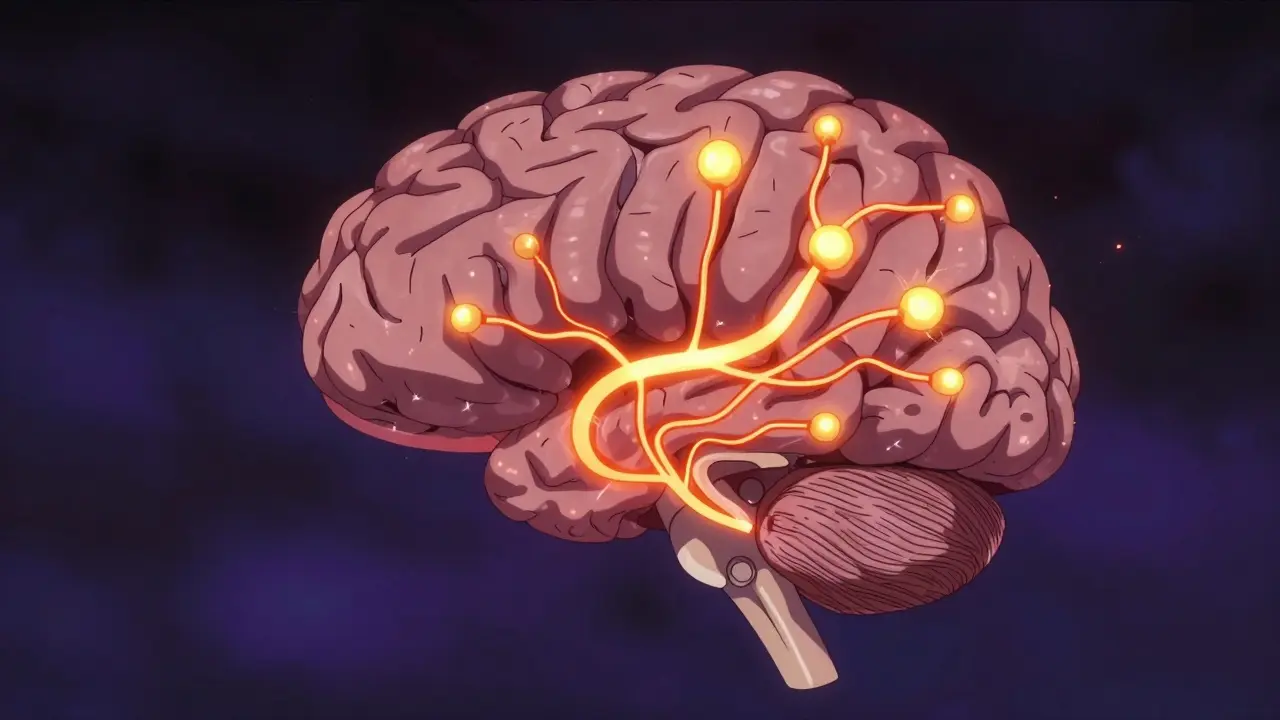
Imagine sitting in a meeting, reading an email, or even driving down the highway, when suddenly your body shuts off. You don't just feel tired; you are pulled into sleep against your will. For people living with Narcolepsy, a chronic neurological disorder, this isn't a rare event-it is daily life. Narcolepsy disrupts the brain's ability to regulate sleep-wake cycles, leading to Excessive Daytime Sleepiness (EDS) that no amount of nighttime rest can fix. It affects roughly 1 in 2,000 people globally. While we often think of sleep disorders as simple insomnia, narcolepsy is complex. It involves a loss of hypocretin (also known as orexin), a neurotransmitter that keeps us awake. Without it, the boundary between being awake and being asleep blurs dangerously. The good news? We have treatments. Specifically, stimulant medications have become the cornerstone of managing EDS. But not all stimulants are created equal, and choosing the right one requires understanding how they work, their side effects, and what real patients experience. This guide breaks down the science, the drugs, and the practical steps for managing this condition effectively.
Understanding the Core Symptoms of Narcolepsy
To treat narcolepsy, you first have to recognize what you are treating. The condition is classified into two types based on specific diagnostic criteria from the International Classification of Sleep Disorders (ICSD-3). Narcolepsy Type 1 (NT1) is defined by the presence of cataplexy or low levels of hypocretin-1 in the cerebrospinal fluid. Cataplexy is a sudden loss of muscle tone triggered by strong emotions like laughter or surprise. It happens in about 70% of cases. If you lack cataplexy but still have the core symptoms, you likely have Narcolepsy Type 2 (NT2). Regardless of the type, five core symptoms define the experience:
- Excessive Daytime Sleepiness (EDS): This affects 100% of patients. It’s not just feeling sleepy; it’s an irresistible urge to sleep that strikes multiple times a day, often lasting 15-30 minutes per episode.
- Cataplexy: Exclusive to NT1, these episodes last from 30 seconds to 2 minutes and can range from mild knee buckling to total collapse.
- Disrupted Nighttime Sleep: Paradoxically, while patients are exhausted during the day, they wake up frequently at night. Studies show they spend less than 6.5 hours in actual sleep despite being in bed for over 8 hours.
- Sleep Paralysis: Occurring in 60% of cases, this is the inability to move or speak while falling asleep or waking up, usually lasting 1-5 minutes.
- Hypnagogic/Hypnopompic Hallucinations: Vivid, often frightening sensory experiences that occur at the transition between wakefulness and sleep, affecting 75% of patients.
Stimulants: The First Line of Defense
When it comes to treating EDS, behavioral changes like scheduled naps help, but pharmacotherapy is usually necessary. Stimulant medications target the wake-promoting systems in the brain. According to guidelines from the American Academy of Sleep Medicine (AASM) and the European Academy of Neurology, stimulants are the first-line treatment for EDS. There are three main classes of medications used, each with distinct mechanisms and profiles.
Modafinil and Armodafinil
Modafinil (brand name Provigil) was approved by the FDA in 1998 and remains the most commonly prescribed initial treatment. It works by inhibiting dopamine reuptake and modulating the orexin system. Unlike traditional stimulants, it doesn't cause the same level of "jitters" or euphoria. Typical doses range from 200 to 400 mg daily. In a 2020 multicenter trial, 70% of patients achieved a significant improvement on the Epworth Sleepiness Scale (ESS). Its cousin, Armodafinil (Nuvigil), is the R-enantiomer of modafinil. It has a longer half-life (15 hours vs. 12 hours), allowing for once-daily dosing, which many patients find more convenient for maintaining steady wakefulness throughout the workday.
Traditional CNS Stimulants
If modafinil doesn't cut it, doctors may turn to traditional central nervous system (CNS) stimulants. These include methylphenidate (Ritalin) and mixed amphetamine salts (Adderall). These drugs are more potent. They provide stronger wakefulness promotion, making them effective for severe EDS cases where ESS scores are above 16. However, they come with higher risks. They are Schedule II controlled substances due to abuse potential. Side effects are more pronounced, including appetite suppression, emotional blunting, and cardiovascular strain. A longitudinal study noted that 45% of patients discontinue these drugs within 12 months due to side effects.
Newer Agents: Pitolisant and Solriamfetol
The landscape has expanded with newer non-stimulant options that act similarly. Pitolisant (Wakix) is a histamine H3 receptor inverse agonist. It promotes wakefulness without the cardiovascular risks associated with amphetamines. Solriamfetol (Sunosi) is a dopamine and norepinephrine reuptake inhibitor. Both have shown efficacy comparable to or better than modafinil in recent trials, though cost can be a barrier.
Comparing Treatment Options
Choosing the right medication depends on your specific symptoms, tolerance for side effects, and lifestyle. Here is how the major options stack up against each other.
| Medication Class | Key Examples | Efficacy (ESS Reduction) | Side Effect Profile | Best For |
|---|---|---|---|---|
| Wakefulness Promoters | Modafinil, Armodafinil | Moderate (~5.2 points) | Low abuse potential, headaches, nausea | Mild-to-moderate EDS; first-line therapy |
| Traditional Stimulants | Methylphenidate, Amphetamines | High (~7.8 points) | Higher abuse risk, cardiovascular strain, anxiety | Severe EDS; non-responders to modafinil |
| H3 Antagonists | Pitolisant | Moderate-High (~6.1 points) | Insomnia, headache; low CV risk | Patients concerned about addiction or heart health |
| DNRI | Solriamfetol | High (7.5-9.8 points) | Hypertension, dry mouth | Significant EDS requiring potent relief |
Note that Sodium Oxybate (Xyrem) is not a stimulant. It is a central nervous system depressant taken at night. However, it is crucial for treating cataplexy and also improves daytime sleepiness by consolidating nighttime sleep. It requires strict REMS program adherence due to its potency and sodium content.
Real-World Experiences and Challenges
Clinical trials tell one story, but patient reviews tell another. Analyzing data from MyNarcolepsyTeam and Reddit communities reveals nuanced perspectives. Many users praise modafinil for providing "clean energy" without the crash associated with amphetamines. One teacher reported dropping her ESS score from 18 to 6 on armodafinil, allowing her to keep her job. However, a common complaint is diminishing efficacy. About 40% of patients report that the drug stops working as well after 18 months, a phenomenon known as tolerance. Traditional stimulants get high marks for effectiveness-78% satisfaction among users-but the side effects are harder to ignore. Many report appetite suppression so severe it leads to weight loss, and some describe "emotional blunting," where they feel flat or detached. There is also the issue of "rebound fatigue." As the stimulant wears off in the late afternoon, patients often hit a wall of exhaustion, making the evening difficult. Safety is a serious concern. While rare, there have been documented cases of stimulant-induced psychosis, particularly with high-dose amphetamines. The FDA monitors these events closely. Additionally, cardiovascular health must be monitored. Traditional stimulants can raise blood pressure by 2-3 mmHg and increase heart rate by 5-8 bpm. Patients with pre-existing heart conditions need baseline ECGs and quarterly monitoring.

Implementation and Monitoring
Starting treatment is not a "one-and-done" process. It requires careful titration and ongoing assessment. 1. Start Low: Doctors typically begin with modafinil 200 mg upon waking. 2. Titrate Up: If the Epworth Sleepiness Scale score doesn't drop by at least 3 points after two weeks, the dose may be increased to 400 mg. 3. Monitor Regularly: Monthly ESS assessments help track efficacy. Quarterly blood pressure checks are essential, especially if using traditional stimulants or solriamfetol. 4. Address Barriers: Insurance prior authorization is a major hurdle. 78% of patients report delays, with average approval times exceeding two weeks. Keeping detailed records of your symptoms and doctor visits can speed this up. It is also vital to combine medication with behavioral strategies. Scheduled 20-minute naps can boost alertness significantly. Avoiding alcohol and maintaining a consistent sleep schedule, even on weekends, helps stabilize your circadian rhythm.
Future Directions in Narcolepsy Care
The field is evolving. Current treatments manage symptoms but do not cure the underlying hypocretin deficiency. Research is shifting toward disease-modifying therapies. One promising area is orexin receptor agonists. A phase 3 trial for TAK-994 showed significant ESS reduction, though development paused temporarily due to liver toxicity concerns in a small subset of participants. Another development is JZP-258, a lower-sodium oxybate formulation, which aims to reduce the discontinuation rates caused by the high sodium load in current formulations. Long-term, scientists are exploring immunomodulation strategies to address the autoimmune component of Type 1 narcolepsy. While these cures are still years away, the expansion of safe, effective, and accessible treatments continues to improve quality of life for those affected.
Is narcolepsy curable?
Currently, there is no cure for narcolepsy. It is a chronic, lifelong condition. However, with proper management using stimulants, scheduled naps, and lifestyle adjustments, most patients can lead full, productive lives.
Can I drive with narcolepsy?
Driving safety depends on how well your symptoms are controlled. If you are experiencing frequent sleep attacks, driving is dangerous and illegal in many jurisdictions. Once your EDS is managed effectively with medication and you remain alert for a sustained period (often 3-6 months), you may be cleared to drive. Always consult your sleep specialist and follow local laws.
What is the difference between Modafinil and Adderall for narcolepsy?
Modafinil is a wakefulness-promoting agent with a lower risk of abuse and fewer cardiovascular side effects. It is usually the first choice. Adderall (mixed amphetamine salts) is a traditional stimulant that is more potent but carries a higher risk of dependency, anxiety, and heart issues. It is typically reserved for patients who do not respond to Modafinil.
How long does it take for narcolepsy meds to work?
Most stimulant medications start working within 30 to 60 minutes after ingestion. However, finding the right dose and medication may take several weeks of adjustment. It is important to keep a sleep diary to help your doctor optimize your treatment plan.
Does insurance cover narcolepsy treatments?
Most major insurance plans cover FDA-approved narcolepsy medications, but prior authorization is almost always required. Generic versions of modafinil are widely covered. Newer agents like Pitolisant or Solriamfetol may require additional documentation proving that first-line treatments failed. Patient assistance programs are available for brand-name drugs.