QR Codes on Drug Labels: Real-Time Safety Updates
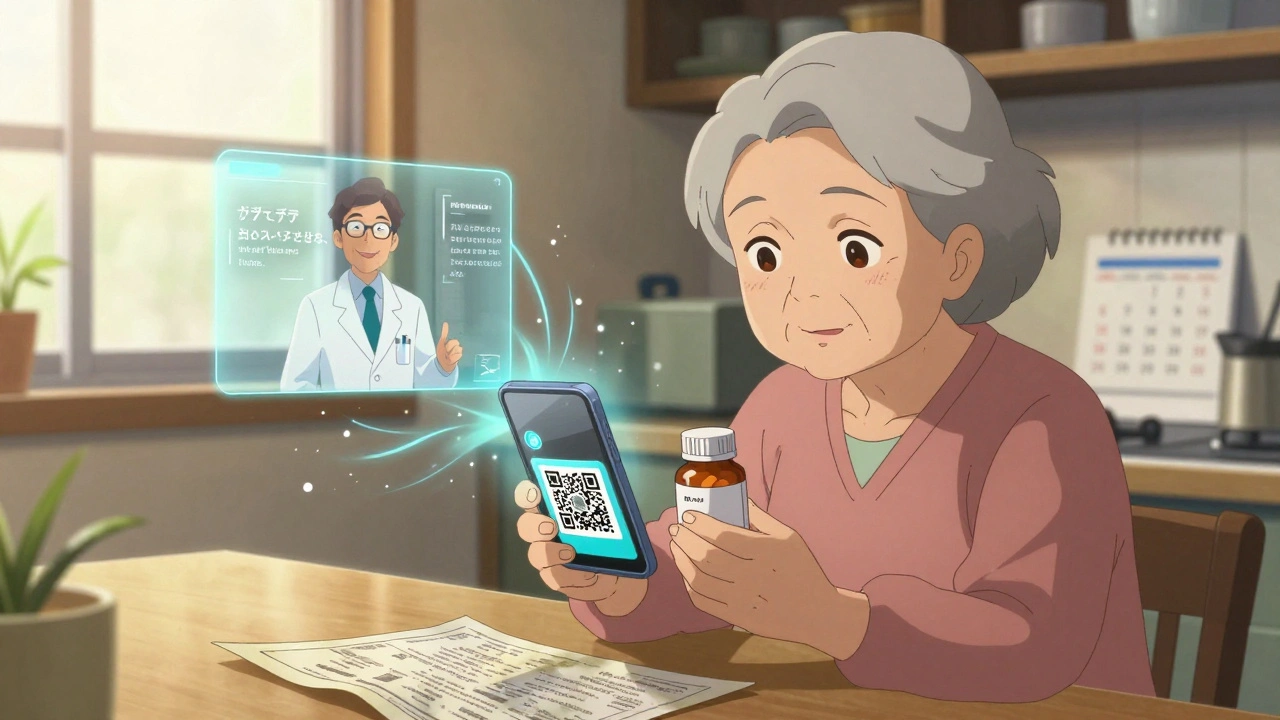
Imagine taking a pill and instantly seeing the latest safety warning - not from a tiny print leaflet you can’t read, but from a clear, up-to-date video on your phone. That’s not science fiction. It’s happening right now, on drug labels in Europe, the UK, and even in U.S. military pharmacies. QR codes on medication packaging are turning static labels into living documents that update in real time. This isn’t just a convenience. It’s saving lives.
Why Static Labels Are No Longer Enough
For decades, drug labels were printed once and stuck on boxes. If a new risk showed up - say, a rare liver injury linked to a common blood pressure med - the manufacturer had to wait months to reprint labels, ship new batches, and get them into pharmacies. By then, thousands of patients might have already taken the updated dose. In the last decade, over 225 black box warnings - the strongest safety alerts regulators issue - were issued globally. Most of those updates came too late for the people who needed them. That’s where QR codes change everything. Instead of waiting for a new label to roll off the press, the information behind the code can be updated instantly. A safety notice about drug interactions? Posted within hours. A recall notice for a contaminated batch? Updated before the next shipment leaves the warehouse. This isn’t theoretical. Companies like DosePacker and sQR.me are already using cloud-based systems that sync directly with pharmacovigilance databases. When a new warning is approved by regulators, the QR code content updates automatically - no new packaging needed.How the System Actually Works
It’s not just a link to a website. Pharmaceutical QR codes are dynamic, secure, and built for compliance. They’re not the same as the ones on your coffee cup. These codes are tied to a central content management system that tracks every version, every scan, and every update. When a pharmacist or patient scans the code, they’re not just seeing a PDF. They’re accessing the most current product information approved by health authorities - often including videos, interactive charts, and multilingual translations. The technical setup is strict. The QR code must be large enough to scan easily, placed where it won’t get scratched or covered, and tested across dozens of phone models. It links to a secure server, not a public webpage. Encryption and authentication prevent counterfeiters from replacing the link with fake info. The code can even verify the drug’s lot number and expiration date - helping catch fake meds before they’re taken. Behind the scenes, it connects to electronic health records. If your doctor prescribes a new medication, the QR code data can auto-populate into your digital chart. Pharmacists can see if you’ve had a bad reaction to a similar drug in the past. Emergency responders can scan a bottle in the field and instantly know what’s in it - no waiting for a family member to find the box.Real Benefits, Real Stories
In a hospital in Manchester, staff started using QR codes on discharge meds six months ago. They tracked patient understanding before and after. Results? A 40% jump in how well patients recalled their dosing schedule and side effects. One woman, 72, with five prescriptions, told her pharmacist: “I used to just throw the leaflets away. Now I scan it on my phone. It tells me in plain language what to watch for.” Pharmacists love it too. Eighty-five percent prefer digital adverse event reporting over paper forms. Instead of filling out a form and mailing it, they can scan the code, tap “Report Reaction,” and submit directly to the drugmaker’s safety team. That means faster detection of rare side effects - and quicker action to protect others. In rural clinics, the story is different. One user on HackerNews visited three clinics in Ohio last month. All had QR codes. But 60% of the elderly patients couldn’t use them. No smartphone. No Wi-Fi. No tech help nearby. That’s the flip side.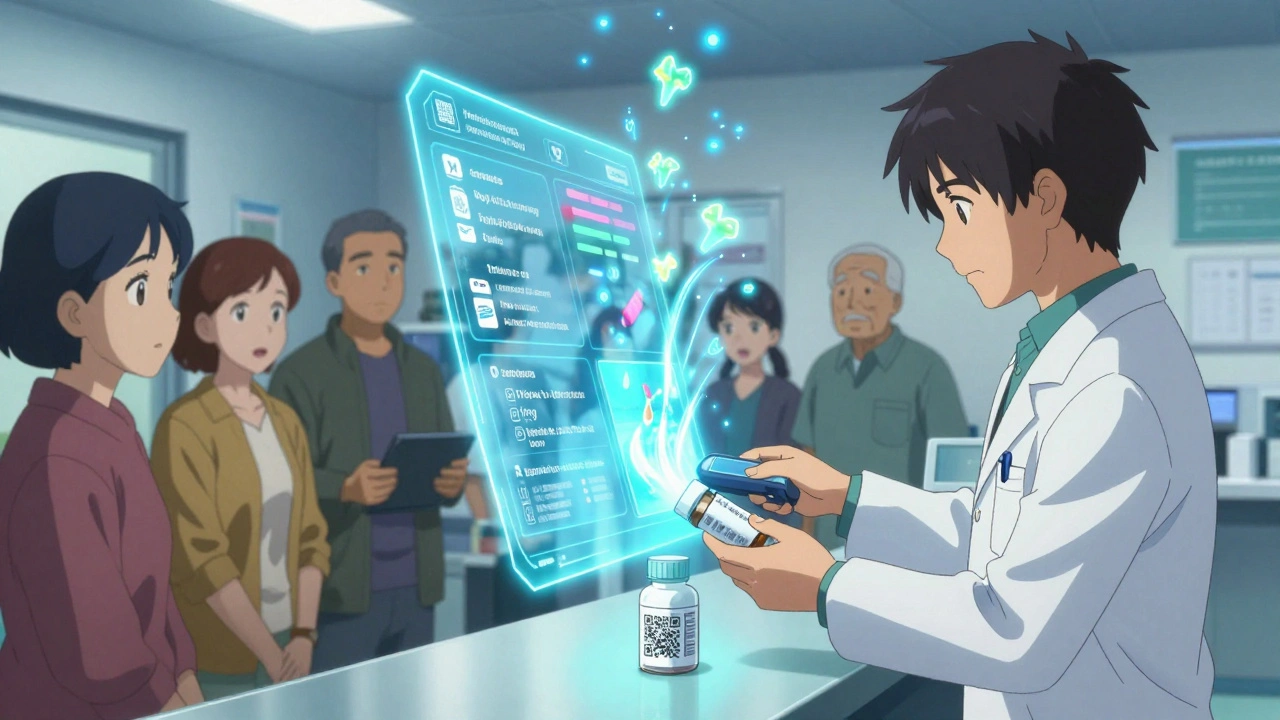
The Accessibility Problem
This isn’t just a tech issue. It’s a justice issue. Dr. Maria Sanchez of the Global Health Institute put it bluntly: “QR codes risk creating a two-tier system. Those with phones get the best info. Those without get outdated print - and that’s dangerous.” Regulators know this. That’s why current rules - like the UK’s 2024 ABPI Code - require printed instructions to stay on the package. The QR code is an upgrade, not a replacement. Pharmacies are training staff to scan codes for patients who can’t. Some are even putting tablets in waiting rooms just for this purpose. In Spain, where this started in 2021, pharmacies offer free scanning stations. In Canada, pilot programs are testing voice-activated QR readers for visually impaired users. The goal isn’t to leave anyone behind. It’s to make the system work for everyone - even if they don’t own a smartphone.Global Adoption and the Road Ahead
Europe leads. Spain started it. The UK formalized it in 2024. Germany and France are rolling it out now. The U.S. is watching closely. Military pharmacies began using QR codes on prescriptions in 2022. Veterans Affairs is testing it in 12 states. The FDA hasn’t mandated it yet, but they’re reviewing data - and the evidence is strong. The big players are backing it. EFPIA, the European pharmaceutical trade group, is drafting a unified standard. That means one QR format across 30 countries. No more confusion when you travel. Your blood thinner’s safety info will be the same in Berlin as it is in Boston. By 2025, the e-labeling market is expected to grow over 40%. Why? Because it saves money, reduces errors, and cuts delays. One drugmaker saved $2.3 million in a year just by cutting label reprint costs. Another reduced medication errors by 31% in their nursing homes. The future? AI will scan scan data for patterns - spotting new side effects faster. Apps like DosePacker’s MyDoses will link your QR scans to reminders, refill alerts, and even diet tips based on your meds. Imagine your phone saying: “You took your statin. Avoid grapefruit today.” That’s coming.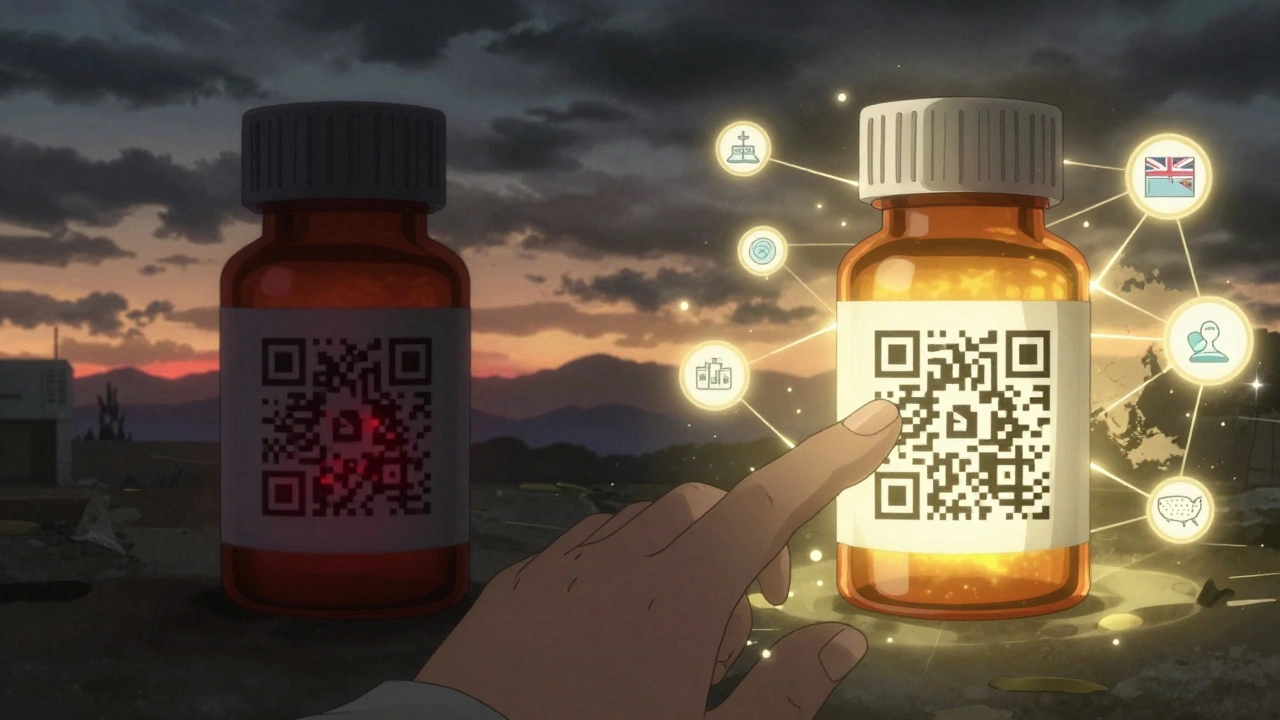
What’s Holding It Back?
It’s not the tech. It’s the bureaucracy. Getting regulatory approval for each country takes months. Companies have to prove their system meets GDPR, HIPAA, and local data laws. Training staff takes time. Patients need to trust it. Some worry about hacking. But the systems are built like bank servers - encrypted, audited, and monitored 24/7. The bigger risk? Not using it. Every day a safety update sits in a lab instead of on a patient’s phone, someone is at risk.What You Can Do
If you or a loved one takes prescription meds, check the label. If there’s a QR code, scan it. See what’s there. Compare it to the printed leaflet. You might find videos, dosage charts, or interaction alerts you never knew existed. Ask your pharmacist to show you how it works. If you don’t have a phone, ask them to scan it for you. Tell your doctor you want the latest info - not the version from five years ago. This isn’t just about convenience. It’s about control. About safety. About not being stuck with outdated paper when your life depends on the truth.Are QR codes on drug labels safe to scan?
Yes. Pharmaceutical QR codes are encrypted and linked only to secure, manufacturer-hosted servers. They cannot contain malware or redirect to random websites. The code only pulls information from a verified source tied to the drug’s batch and regulatory approval. No personal data is collected unless you voluntarily sign into a patient portal.
What if I don’t have a smartphone?
You’re not left out. Regulations in the UK, EU, and Canada require printed information to remain on the packaging. Pharmacies are trained to scan the code for you and explain the info. Some clinics even have tablets set up for patients to use. The QR code is an extra layer - not a replacement.
Can the information behind the QR code be outdated?
No - that’s the whole point. Unlike printed labels, QR codes link to dynamic content updated in real time. If a new safety warning is issued, the manufacturer pushes the update to the server within hours. Every scan pulls the latest version. The code itself doesn’t change - but what it shows does.
Do QR codes replace the printed patient information leaflet?
No. Regulatory agencies require printed leaflets to stay on the package. The QR code supplements it - offering richer, up-to-date content like videos, interactive tools, and multilingual options. Think of it as the digital upgrade to the paper version, not a substitute.
Which countries are using QR codes on drug labels?
Spain was the first in 2021. The UK officially approved it in 2024 under the ABPI Code. Germany, France, the Netherlands, and Sweden are rolling it out. The U.S. military uses it for prescriptions. Canada and Australia are in pilot phases. The EU is working on a unified standard for all member states by 2026.
Can I use a QR code to report a side effect?
Yes. Many systems include a direct “Report Adverse Reaction” button. When you scan the code, you can submit symptoms, dosage, and timing directly to the drugmaker’s safety team. This is faster and more accurate than calling a hotline or filling out paper forms. Pharmacists use this feature too - 85% prefer it over traditional methods.
How do I know the QR code is legitimate and not fake?
Legitimate pharmaceutical QR codes are printed directly on the original packaging by the manufacturer. They’re often placed in a visible, tamper-resistant spot. The link will take you to a website ending in the company’s official domain (e.g., .pfizer.com, .novartis.com). If you’re unsure, call the pharmacy or manufacturer - they can verify the code’s authenticity. Never scan a code on a copied or repackaged pill.
Karandeep Singh
December 2, 2025 AT 06:12Bonnie Youn
December 3, 2025 AT 15:29Lauryn Smith
December 5, 2025 AT 12:42Kelly Essenpreis
December 7, 2025 AT 10:43Mary Ngo
December 9, 2025 AT 09:31Alexander Williams
December 9, 2025 AT 10:34Erin Nemo
December 9, 2025 AT 15:25elizabeth muzichuk
December 10, 2025 AT 13:50Suzanne Mollaneda Padin
December 10, 2025 AT 22:01James Allen
December 12, 2025 AT 19:11Amber-Lynn Quinata
December 14, 2025 AT 10:41