Travel Medication Plans: How to Manage Time Zones, Storage, and Side Effects
Time Zone Medication Adjustment Calculator
Find out when to switch to local time for your medications based on the number of time zones traveled and medication type.
Why Your Medication Schedule Breaks Down When You Travel
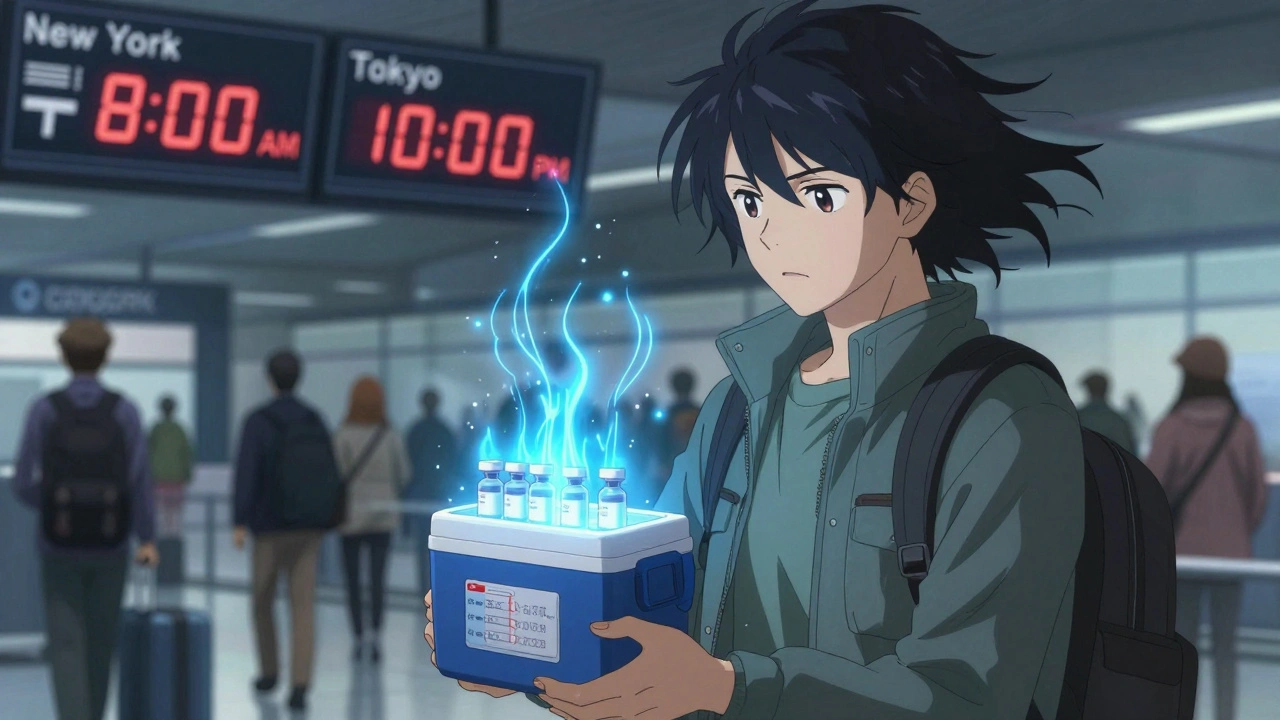
It’s not just jet lag. When you cross time zones, your pills don’t know you’ve changed continents. A blood pressure pill meant for 8 a.m. in New York becomes a 10 p.m. dose in Tokyo. Miss it by an hour, and your body reacts. For some, it’s a spike in blood pressure. For others, it’s a flare-up of chronic pain, a missed dose of insulin, or worse - a dangerous drop in medication levels that triggers side effects.
Studies show that 78% of travel medicine specialists consider time zone adjustments critical for patient safety. Yet only 39% of primary care doctors feel confident giving clear instructions. That gap leaves travelers guessing - and that’s where things go wrong.
Time Zone Rules: When to Switch, When to Hold On
There’s no one-size-fits-all rule. It depends on what you’re taking.
For medications with tight windows - like progestin-only birth control pills - you have a 3-hour window. Cross more than 3 time zones? Switch to local time immediately. Delaying or advancing your dose by even 4 hours can cut effectiveness in half. The FDA warns that missing a dose of these pills increases pregnancy risk significantly.
On the other hand, statins like atorvastatin or rosuvastatin? No problem. Studies show they stay effective even if you take them 4 hours off schedule. Same with most antidepressants and thyroid meds. These drugs build up in your system over days, so one missed or shifted dose won’t crash your levels.
But antiretrovirals? That’s a different story. If you’re on dolutegravir, you need to stay within 1 hour of your usual time. Protease inhibitors like darunavir can handle a 2-hour window, but not more. The CDC and WHO both warn: inconsistent dosing here can lead to drug resistance. That’s not just a side effect - it’s a life-altering risk.
For eastward trips across 5+ time zones, a gradual shift works better. Start adjusting your dose time 1 hour earlier each day for 5 days before you leave. It reduces nausea, dizziness, and fatigue by 37%. But here’s the catch: 22% of people who try this method end up skipping doses because it’s too confusing. If you’re juggling 4+ medications, stick to switching to local time on day one.
Storage: Heat, Humidity, and Light Can Ruin Your Pills
Leaving your insulin in a hot car for an hour doesn’t just make it less effective - it can turn it into a useless, even dangerous, liquid. The FDA says insulin must stay between 2°C and 8°C (36°F-46°F). That means: no backpacks on a desert hike. No checked luggage in the cargo hold.
Most pills - antibiotics, blood thinners, painkillers - can handle room temperature (under 30°C or 86°F) and humidity below 65%. But if you’re flying to Bali or Dubai, that’s not enough. Use a small insulated bag with a cool pack. Don’t put ice directly against the bottle; wrap it in a cloth.
And light? Yes, light matters. The CDC’s 2022 Yellow Book found that 23% of common medications break down under direct sunlight. That includes warfarin, doxycycline, and some antidepressants. Keep them in their original opaque bottles. If you’re using a pill organizer, only fill it with daily doses and keep the rest in the original container.
Pro tip: If you’re carrying insulin, keep a doctor’s note. Some countries, like Japan, don’t recognize pharmacy labels. A note explaining it’s for diabetes can save you from being turned away at customs.
Side Effects You Didn’t Expect - And How to Stop Them
Side effects from travel aren’t always from the medication itself. They’re from the disruption.
Take antihypertensives. Mayo Clinic research shows blood pressure can spike 15-20% higher in the first 72 hours after a major time zone shift. Why? Your body’s internal clock is out of sync. Stress, poor sleep, and irregular meals all add to it. Solution? Monitor your pressure if you can. If you feel dizzy, headachy, or your heart races, don’t just power through. Call your doctor. You might need a temporary dose tweak.
For diabetes, the biggest risk isn’t missing a dose - it’s eating at the wrong time. A delayed meal after a long flight can cause low blood sugar. Always carry fast-acting sugar (glucose tablets, juice boxes) and a glucagon kit if you’re on insulin. Tell a travel buddy how to use it.
And don’t forget anti-anxiety meds. Travel stress can make you take extra doses. But if you’re on benzodiazepines like alprazolam, that’s a recipe for drowsiness, confusion, or worse. Stick to your schedule. Use breathing exercises or meditation instead.
One overlooked issue: dehydration. Many meds - like diuretics or lithium - rely on steady fluid levels. Flying dehydrates you. Drink water. Don’t rely on alcohol or caffeine to stay awake. They make dehydration worse and can interfere with how your body processes meds.
What to Pack - And What to Leave Behind
Always carry meds in your carry-on. Checked bags get lost, delayed, or left in freezing cargo holds. Airlines require original containers. No ziplock bags. No unlabeled pills. TSA and international customs demand it.
Bring enough for the trip plus 7 extra days. Delays happen. Your flight gets canceled. Your hotel loses power. That’s not paranoia - it’s standard advice from Harvard Global Support Services and the CDC.
Check the rules of your destination. Japan bans 52 U.S. medications - including some decongestants and sleep aids. The UAE requires permits for 17 common drugs, including codeine and Adderall. Google “country name + prohibited medications” before you book. Or better yet, ask your pharmacist. They have access to global databases.
Use a pill organizer - but only for daily doses. Color-code them: red for morning, blue for night. Label them with the time in your destination. If you’re crossing 10 time zones, write “Tokyo 8 a.m.” not “Home 8 a.m.”
Tools That Actually Work
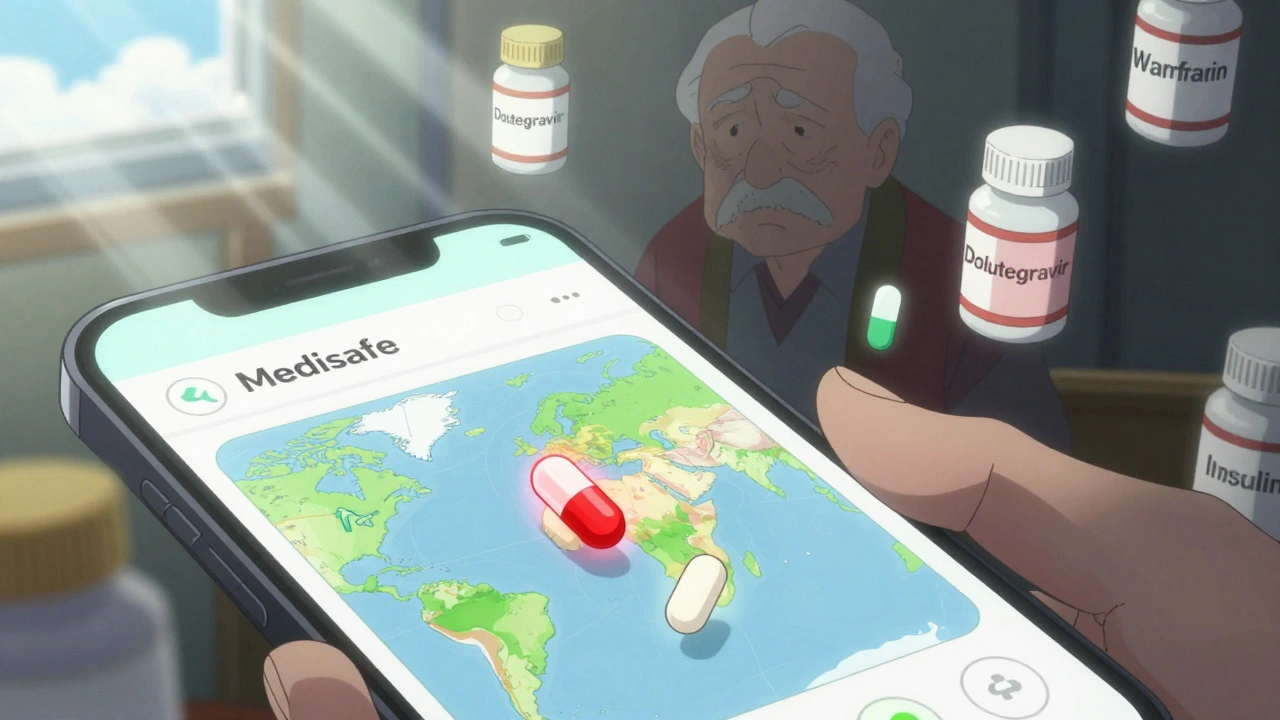
Phones are your best friend. Set multiple alarms - one for the time zone you’re in, one for your home time, and one for the time you’re supposed to take the pill. Use apps like Medisafe or MyTherapy. Clinical studies show they improve adherence by 42% during travel.
These apps auto-adjust for time zones. They remind you if you’re late. They even flag if you’re about to take a dose too close to another. They sync with your doctor’s portal if your provider uses one.
For complex regimens, consider a smart pill dispenser. Some connect to Bluetooth and unlock only at the right time. They’re expensive, but if you’re on 5+ meds, they’re worth it.

Who Needs the Most Help - And Why
Seniors over 70 are at the highest risk. Eden Vista’s 2023 report found that 73% of older travelers make at least one timing mistake abroad. Why? Cognitive load. Juggling warfarin, metformin, lisinopril, and a statin across time zones? It’s overwhelming. Memory declines. Hearing fades. Phones get confusing.
Travelers with chronic conditions - HIV, epilepsy, autoimmune diseases - also need extra planning. A missed dose isn’t inconvenient. It’s dangerous.
Young travelers with one or two meds? You’re fine. Just set an alarm. But if you’re on birth control, antiretrovirals, or insulin? Don’t assume you know what to do. Talk to your doctor.
Start Planning 4-6 Weeks Before You Go
This isn’t something you do at the airport. It’s a medical appointment.
Step 1: Book a travel medicine consult. Not your regular doctor - a specialist. Travel clinics know the rules, the storage limits, the country bans.
Step 2: Bring your full med list. Include dosages, times, and why you take each one. Ask: “What happens if I’m 2 hours late?” “Can I take this with food?” “What if I miss a dose?”
Step 3: Get a written plan. Not just verbal. A one-page summary with times in your destination, storage notes, and emergency contacts.
Step 4: Practice. A week before you leave, start living on destination time. Eat meals, sleep, and take meds at the local time. Train your body.
Final Tip: Always Have a Backup
Keep a digital copy of your prescriptions and doctor’s note on your phone. Email it to a trusted person. Print a hard copy and put it in your wallet. If you lose your meds, you need proof you’re authorized to take them.
And if you do have a side effect? Don’t panic. Call your travel insurance provider. Most now include 24/7 medical advice lines. They can connect you to a local doctor who speaks your language and knows how to handle your meds.
Can I just keep taking my meds at home time while traveling?
No - not if you’re crossing more than 2-3 time zones. Keeping home time confuses your body and increases the chance of missing doses. For most medications, switch to local time as soon as you land. Exceptions include some long-acting drugs like statins or thyroid pills, where a 4-hour window is safe. But for insulin, antiretrovirals, or progestin-only birth control, timing matters too much to risk it.
What if my medication needs refrigeration and I’m on a long flight?
Use a small insulated travel cooler with a reusable ice pack. Don’t freeze the meds - just keep them cool. Some pharmacies sell travel refrigerators that plug into car outlets or USB ports. Airlines don’t refrigerate checked luggage, so never pack meds in checked bags. Always carry them in your carry-on with a doctor’s note.
Are there medications that are banned in certain countries?
Yes. Japan bans 52 U.S. medications, including common cold remedies with pseudoephedrine. The UAE requires permits for opioids and ADHD meds like Adderall. Even some antihistamines and painkillers are restricted. Always check the destination country’s health ministry website or ask your pharmacist before you go. Never assume your meds are legal abroad.
Can I split my pills to adjust the dose during travel?
Only if your doctor says so. Extended-release or enteric-coated pills (like some blood pressure or antidepressant meds) shouldn’t be split - it changes how they work. If you need a lower dose, ask your doctor for a different strength before you leave. Never guess.
What should I do if I miss a dose while traveling?
Check your medication’s guidelines. For most pills, if you miss a dose by less than 2 hours, take it right away. If it’s more than that, skip it and wait for your next scheduled time. Don’t double up. For insulin or antiretrovirals, call your doctor immediately. For birth control, use backup protection (condoms) for the next 7 days. Always keep a printed guide with your meds.
Linda Migdal
December 3, 2025 AT 02:06Let’s be real - if you’re traveling with insulin or antiretrovirals and you think ‘setting an alarm’ is enough, you’re one missed dose away from a CDC report. This isn’t ‘forgetting your charger’ - it’s biological sabotage. The FDA doesn’t joke about drug resistance. Stop treating your meds like a Spotify playlist.
Lucinda Bresnehan
December 4, 2025 AT 13:37Just wanted to say thank you for this - I’m a type 1 diabetic and I traveled to Thailand last year and nearly panicked when my insulin got warm in my backpack. I didn’t know about the cloth-wrap trick for cool packs. I’m sharing this with my support group. Also, the part about carrying a doctor’s note? Lifesaver. I wish I’d known that before customs questioned me for 45 minutes. 🙏
Shannon Gabrielle
December 6, 2025 AT 06:35Wow. So the government wants us to carry a doctor’s note just to not die from a pill? Meanwhile, my cousin took Adderall to Bali and got arrested for ‘narcotics trafficking’ because he didn’t know it was banned. And you’re telling me the CDC has a Yellow Book but no one tells you this until you’re in a foreign jail? Brilliant. Let’s just make travel a lottery where your meds decide if you live or get deported.
ANN JACOBS
December 7, 2025 AT 04:29It is of the utmost importance to underscore, with the gravitas befitting a public health imperative, that the temporal discontinuity induced by transcontinental travel - particularly when one is managing a polypharmaceutical regimen - constitutes not merely a logistical inconvenience, but a profound disruption of homeostatic equilibrium. The human circadian architecture, a marvel of evolutionary precision, is not merely ‘adjusted’ - it is violently recalibrated. To neglect the temporal synchronization of pharmacokinetic delivery is to invite biochemical chaos. One must, therefore, adopt a regimen of pre-travel chronobiological conditioning, akin to the acclimatization protocols employed by elite athletes before high-altitude expeditions. The consequences of omission are not theoretical - they are clinical, quantifiable, and, in the case of antiretrovirals, potentially irreversible. I urge every traveler to treat this with the reverence due a sacred ritual.
Nnaemeka Kingsley
December 7, 2025 AT 17:49bro this is fire. i’m from nigeria and i take blood pressure meds. i went to germany last year and i just kept taking at my home time and i felt like trash for 3 days. i didn’t know about switching to local time. now i use medisafe and it’s a game changer. also, never pack meds in checked luggage. i lost my whole week’s dose once. never again.
Kshitij Shah
December 9, 2025 AT 13:13Yeah right, ‘switch to local time’ - like I’m gonna do that when I’m on 7 meds, jetlagged, and my phone’s in airplane mode because I’m in the middle of the Indian Ocean. And who’s gonna remember ‘Tokyo 8 a.m.’ when you’re staring at a pill organizer with 12 different colors and no labels? This whole guide reads like a corporate wellness pamphlet written by someone who’s never missed a dose in their life.
Tommy Walton
December 10, 2025 AT 09:37✨The existential weight of a missed pill✨ - when your circadian rhythm becomes a battleground between your biology and the tyranny of globalization. 🌍💊 I’m not just taking meds - I’m performing a sacred act of temporal sovereignty. Also, if you’re not using a Bluetooth pill dispenser, are you even living? Or just surviving like a caveman?
James Steele
December 11, 2025 AT 13:43Let’s not romanticize this as ‘travel medicine.’ This is pharmacological triage under colonialist logistics. The fact that a U.S. citizen must carry a notarized document to prove they’re not smuggling narcotics just to take their own prescribed antihypertensives in Japan is a grotesque indictment of global pharmaceutical hegemony. The WHO’s guidelines are toothless. The real solution? Decriminalize all meds and let pharmacists be diplomats.
Louise Girvan
December 13, 2025 AT 08:31...and yet, the CDC, the FDA, the WHO - all controlled by Big Pharma. You think they want you to know about the 23% degradation under sunlight? Or that 52 U.S. meds are banned in Japan because they’re cheaper alternatives? No. They want you dependent. They want you scared. They want you buying $200 ‘travel coolers’ instead of just using a thermos. Wake up.
soorya Raju
December 14, 2025 AT 15:36lol so the ‘solution’ is to use an app? what if your phone dies? what if the app crashes? what if your carrier doesn’t have data in the Andes? this whole thing is a scam. the real answer? stop traveling. stay home. take your pills. breathe. the world is a trap anyway. and if you miss a dose? maybe your body was trying to tell you something. maybe you don’t need all those chemicals. just saying.