Tyramine-Rich Foods and MAO Inhibitors: Avoiding Hypertensive Crisis Guide
The Hidden Danger in Your Diet
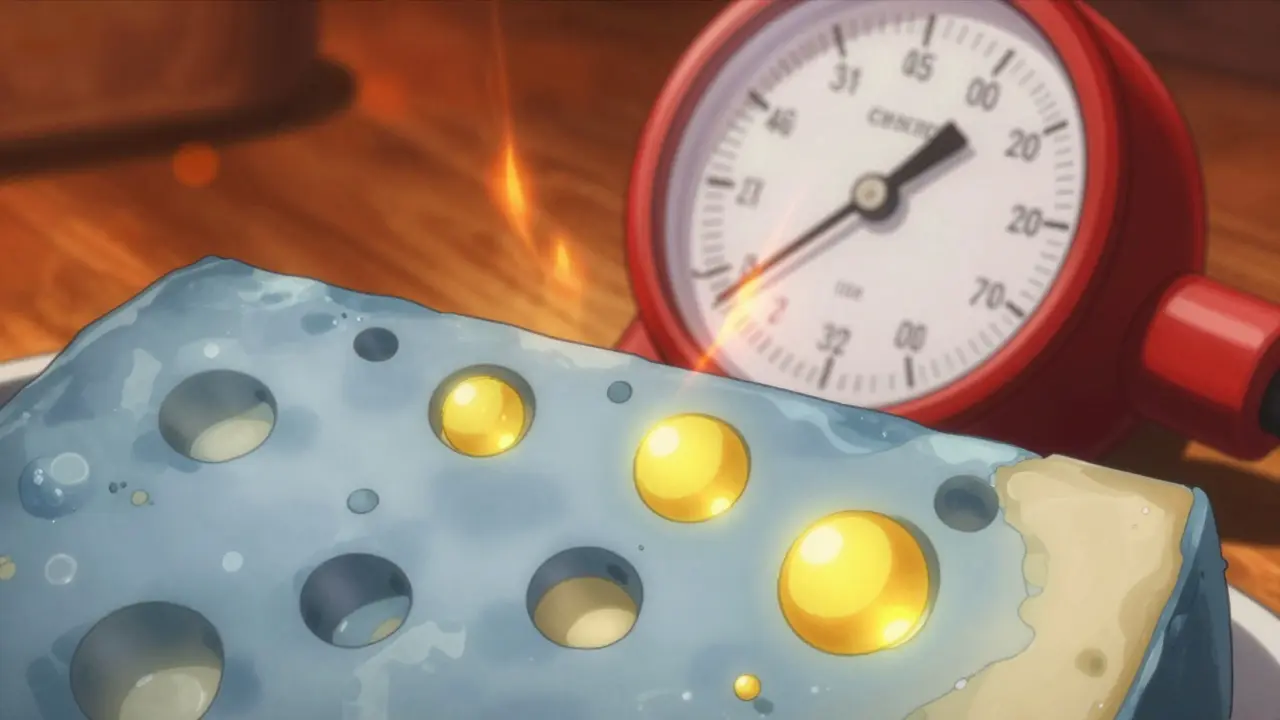
When you take MAO inhibitors for depression, a simple snack could send your blood pressure soaring. What's going on? It all comes down to tyramine. Tyramine is a compound found in aged or fermented foods. Normally, your body breaks it down with an enzyme called monoamine oxidase. But MAO inhibitors block this enzyme, causing tyramine to build up. This leads to a sudden release of norepinephrine, a hormone that spikes blood pressure. Research from Brown University in 2019 shows that even 5-10 mg of tyramine can cause a 30-50 mmHg blood pressure increase within 15-30 minutes.
Which Foods Are Risky?
Not all foods are equally dangerous. The USDA Food Composition Database measured tyramine levels in common foods. Here's what to watch for:
| Food | Tyramine Content |
|---|---|
| Blue cheese | 9-41 mg per 100g |
| Soy sauce | 20-70 mg per 100ml |
| Pickled herring | 110-230 mg per 100g |
| Chianti wine | 4-15 mg per 100ml |
| Aged cheddar cheese | 15-30 mg per 100g |
| Yeast extract (like Marmite) | Up to 100 mg per 100g |
Notice how aging increases tyramine? The European Food Safety Authority found some aged cheeses can exceed 400 mg per 100g. Fresh foods like milk or unaged cheese have less than 5 mg per 100g. A single ounce of blue cheese could contain enough tyramine to trigger a crisis. But here's the good news: you don't need to avoid all fermented foods. For example, fresh yogurt is safe because it's not aged long enough to build up tyramine.
Not All MAOIs Are the Same
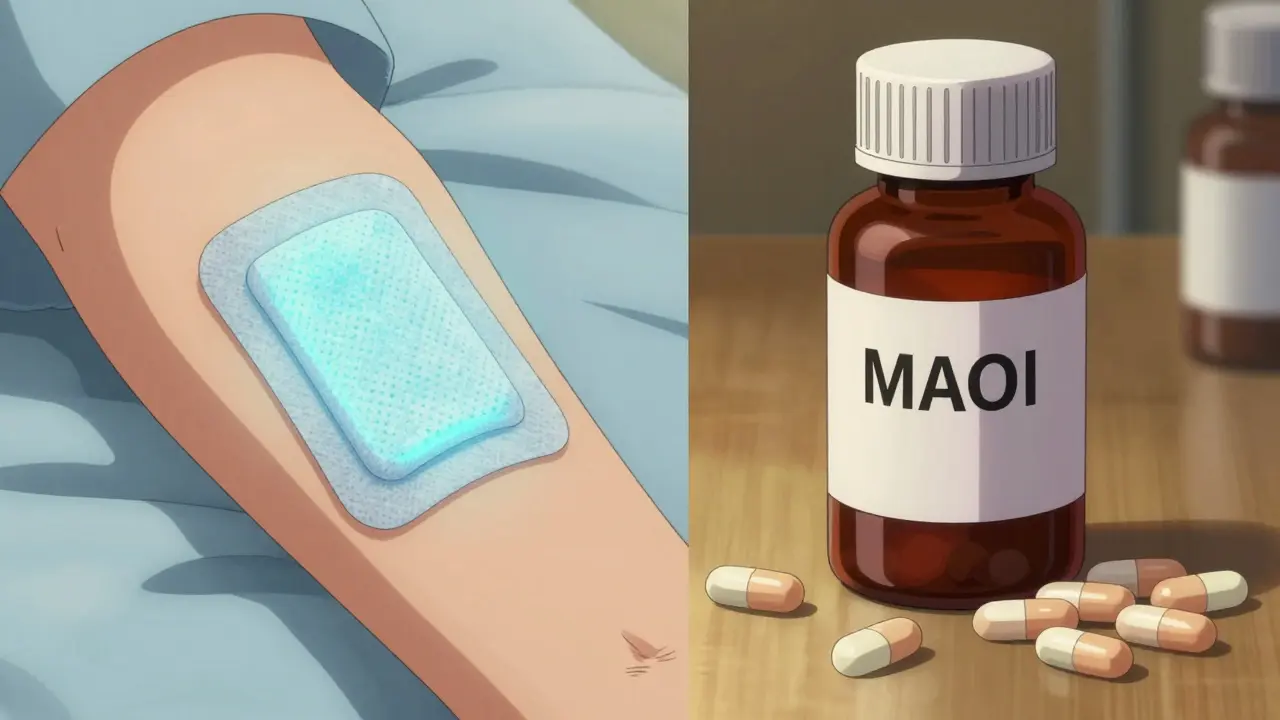
Some MAO inhibitors are safer than others. Traditional ones like phenelzine (Nardil) and tranylcypromine (Parnate) are irreversible and require strict dietary limits. But newer options change the game. Transdermal selegiline (Emsam patch), for instance, uses a patch that delivers medication through the skin. At the lowest dose (6 mg/24 hours), it selectively blocks MAO-B in the gut, so dietary restrictions aren't needed. The FDA confirmed this in 2022 labeling. Higher doses (9 mg and 12 mg) still require some restrictions.
Reversible inhibitors of MAO-A (RIMAs), like moclobemide, are another option. They're available in Europe and Canada but not the US. Studies in the Journal of Clinical Psychiatry (2017) show you can eat up to 100 mg of tyramine without issues. That's because RIMAs temporarily release the enzyme when tyramine is present, preventing dangerous buildup.
A 2020 review in CNS Drugs found 87% of patients on traditional MAOIs found dietary restrictions burdensome, compared to only 22% on transdermal selegiline. This shows how the right MAOI choice can make a huge difference in daily life.
Recognizing a Hypertensive Crisis
Early warning signs matter. A hypertensive crisis from tyramine usually hits fast. Symptoms include:
- Severe headache, often at the back of the head (occipital)
- Palpitations or racing heartbeat
- Blurred vision
- Sweating or chills
- Nausea or vomiting
Mayo Clinic data shows 92% of cases start with that occipital headache. Your systolic blood pressure might spike above 180 mmHg. If you experience these symptoms, don't wait. Call 911 immediately. This isn't something to treat at home.
What to Do in an Emergency
If you suspect a hypertensive crisis, act fast. The American College of Medical Toxicology updated guidelines in January 2024. They recommend nicardipine as the first-line treatment to lower blood pressure gradually. Avoid older drugs like labetalol that can cause dangerous drops in brain blood flow. Emergency teams will monitor you closely. Remember, the goal is to reduce mean arterial pressure by 10-15% in the first hour. Too fast, and you risk stroke. This is why professional medical care is essential.
Practical Tips for Safe Eating
Managing your diet doesn't have to be overwhelming. Here's how:
- Check food labels for tyramine content. The FDA now requires disclosure if a cheese product has over 10 mg per serving.
- Stick to fresh foods. Aged, fermented, or spoiled foods are the main risks. For example, fresh chicken is safe, but leftover chicken left in the fridge for days can develop tyramine.
- Use portion control. A safe portion of aged cheese is less than one ounce. For soy sauce, a tablespoon in cooking is usually fine, but avoid drinking it straight.
- Ask for help. The Massachusetts General Hospital Center for Women's Mental Health developed a 45-minute educational protocol that reduced dietary violations from 32% to 8% in six months. Talk to your doctor about getting this training.
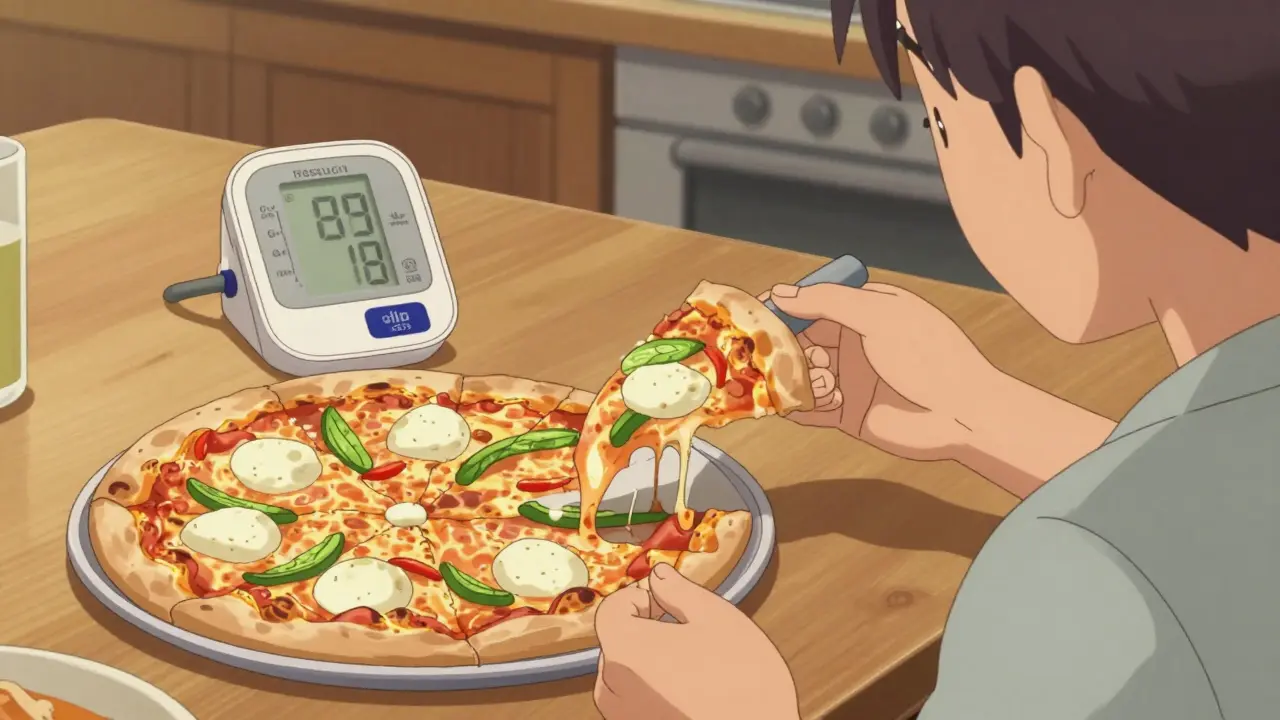
- Monitor your blood pressure at home. The American Psychiatric Nurses Association recommends automatic loggers that alert your doctor to dangerous readings.
Many people on MAOIs worry about social situations. But you can still enjoy meals with friends. For example, choose fresh pizza instead of aged cheese toppings. Opt for a glass of white wine (low tyramine) instead of red wine or Chianti. Small changes make a big difference.
Frequently Asked Questions
Can I eat cheese while taking MAO inhibitors?
It depends on the type of cheese and your MAOI. Fresh cheeses like mozzarella or cream cheese are generally safe. Aged cheeses like blue cheese, cheddar, or parmesan are high-risk. For example, blue cheese contains 9-41 mg of tyramine per 100g. If you're on traditional MAOIs like phenelzine, avoid aged cheeses entirely. Transdermal selegiline at the lowest dose (6 mg) allows some aged cheeses in small portions. Always check with your doctor about specific cheeses.
What foods are safest for MAOI users?
Fresh foods are your best bet. Unaged dairy (like milk, cottage cheese), fresh meats, eggs, most fruits and vegetables, and recently cooked meals are low in tyramine. Avoid anything that's aged, fermented, or spoiled. For example, fresh yogurt is safe, but aged yogurt (like Greek yogurt left out) can develop tyramine. Always check expiration dates and store food properly.
Do all MAO inhibitors require dietary restrictions?
No. Transdermal selegiline (Emsam patch) at the 6 mg/24 hour dose has no dietary restrictions. Higher doses (9 mg and 12 mg) require limiting high-tyramine foods. Reversible MAO-A inhibitors like moclobemide (available outside the US) also have fewer restrictions. Traditional MAOIs like phenelzine and tranylcypromine require strict limits. Always confirm with your prescriber based on your specific medication.
How much tyramine is dangerous?
The threshold varies, but most sources agree that 10-25 mg of tyramine can trigger a crisis in people on traditional MAOIs. However, some people react to as little as 5 mg. For context, a slice of blue cheese has about 10-20 mg per ounce. A tablespoon of soy sauce has 5-10 mg. This is why portion control matters-small amounts of multiple high-tyramine foods can add up quickly.
What should I do if I accidentally eat a high-tyramine food?
Monitor your symptoms closely. If you feel a headache, palpitations, or high blood pressure, contact your doctor immediately. In severe cases, go to the emergency room. Do not wait to see if symptoms pass. Your doctor may recommend checking your blood pressure at home. If you have a home monitor, record the reading and share it with your healthcare team. Remember, most accidental exposures don't lead to crisis, but it's better to be cautious.


Johanna Pan
February 5, 2026 AT 21:45Hey everyone, its really important to know about tyramine and MAOIs.
Ive been on them for years and learned the hard way.
Fresh foods are safe, but aged cheeses? No way.
Always check labels.
The FDA's new rules help, but you still need to be careful.
I found that even small amounts can cause problems.
Its not about avoiding everything, just being smart.
Like, fresh yogurt is okay, but aged yogurt? No.
Also, soy sauce in cooking is fine, but drinking it straight? Bad idea.
Ive shared this with my friends, and they're more careful now.
Its all about education.
Dont panic, but stay informed.
Small changes make a big difference.
Trust me, its worth it.
Stay safe out there!
lance black
February 7, 2026 AT 05:34Fresh foods safe.
Aged cheeses dangerous.
Check labels.
Always.
Sam Salameh
February 8, 2026 AT 08:31US food regulations are the best.
No need to panic.
We're safe here.
Stick to fresh foods.
Nancy Maneely
February 9, 2026 AT 11:54This is a total scare tactic.
They're trying to make us paranoid.
Tyramine isnt even real.
Its a conspiracy.
I read somewhere its all made up.
But wait, maybe its true? I dont know.
Im confused.
Someone please explain.
This article is full of lies.
The FDA is lying to us.
But maybe Im wrong.
Im so stressed.
Matthew Morales
February 10, 2026 AT 14:47Hey, this is really helpful.
I had no idea about the cheese thing.
Always check labels.
I use this info to keep my family safe. :)
Carl Crista
February 11, 2026 AT 05:10Tyramine is a hoax.
Georgeana Chantie
February 12, 2026 AT 06:44America is safe.
No need to worry.
This is just fearmongering.
Trust the system.
Lisa Scott
February 12, 2026 AT 19:02Tyramine is a scam.
The FDA is lying.
This is all about control.
They want us to buy expensive food.
Stay vigilant.
Kate Gile
February 13, 2026 AT 18:22Thanks for sharing this info.
I've learned a lot.
Fresh foods are key.
Always double-check labels.
Its important to stay informed.
Cullen Bausman
February 15, 2026 AT 03:14US food standards are perfect.
No need for restrictions.
Eat what you want.
We're safe.
Diana Phe
February 15, 2026 AT 09:03This is all a government plot.
They want us to fear food.
Trust no one.
Check your sources.
Joyce cuypers
February 16, 2026 AT 16:47Hey, this is really useful.
I never knew about tyramine.
Always check labels.
Stay safe. :)
Brendan Ferguson
February 18, 2026 AT 12:12MAOIs can be tricky, but knowing which foods to avoid makes it manageable.
Fresh is always best.
Soy sauce in moderation is okay.
Always consult your doctor for personalized advice.
Jennifer Aronson
February 19, 2026 AT 01:19Tyramine in foods is a known risk for MAOI users.
Fresh dairy and meats are safe.
Aged cheeses and fermented products require caution.
Always read labels carefully.
Elliot Alejo
February 19, 2026 AT 10:21Understanding tyramine risks is crucial.
Stick to fresh foods.
Avoid aged cheeses.
Check labels religiously.
Safety first.