Viral Warts: HPV Infection and How to Remove Them Effectively
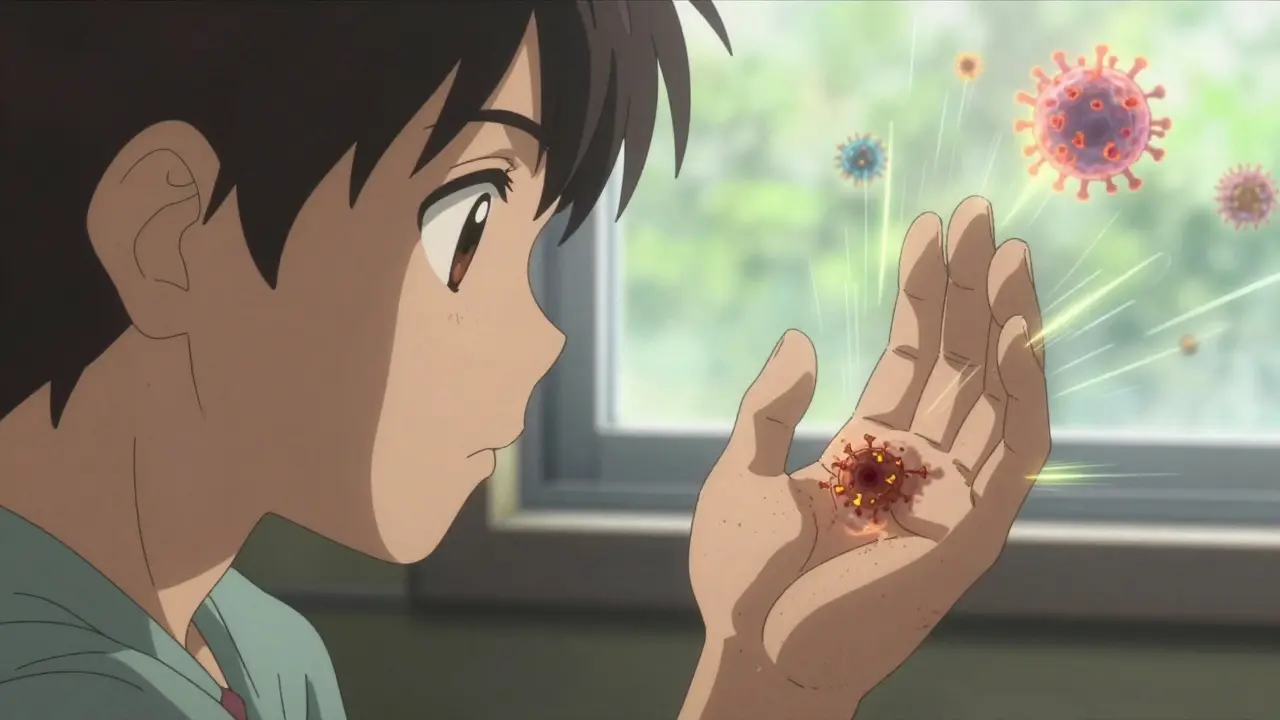
Warts might seem like a harmless annoyance, but they’re not just skin deep. If you’ve ever stared at a rough, grainy bump on your hand or foot and wondered, “Why won’t this go away?”, you’re not alone. Viral warts are caused by the human papillomavirus (HPV), and they affect up to 24% of kids and 5% of adults globally. They’re contagious, stubborn, and often embarrassing - which is why so many people rush to get rid of them, even when they might clear up on their own.
What Exactly Are Viral Warts?
Viral warts are small, rough growths on the skin triggered by specific strains of HPV. There are over 100 types of HPV, but only a handful cause the warts most people see. Different strains target different areas:- Common warts (verruca vulgaris) - usually on fingers, hands, or knees. Caused by HPV types 1, 2, and 4.
- Flat warts (verruca plana) - smaller, smoother, and often show up in clusters on the face, arms, or legs. Linked to HPV types 3 and 10.
- Plantar warts (verruca plantaris) - grow on the soles of the feet and can feel like a pebble underfoot. Caused by HPV types 1, 2, 4, 60, and 63.
Do Warts Go Away on Their Own?
Yes - and that’s the frustrating part. About 60 to 70% of viral warts disappear without treatment within two years. Your immune system eventually recognizes the virus and knocks it out. But waiting isn’t always practical. If a wart is painful, growing, spreading, or just driving you crazy, you don’t have to sit around and wait.Topical Treatments: Salicylic Acid and Beyond
The most common and well-studied home treatment is salicylic acid. You can buy it over the counter in liquids, gels, pads, or plasters with concentrations between 17% and 40%. It works by slowly peeling away layers of the wart. The key? Consistency. Here’s how to use it right:- Soak the wart in warm water for 10 minutes.
- Gently file the surface with an emery board or pumice stone (don’t use the same tool on healthy skin).
- Apply the acid directly to the wart - avoid surrounding skin.
- Let it dry. Cover if needed.
- Repeat daily.
Cryotherapy: Freezing Warts Off
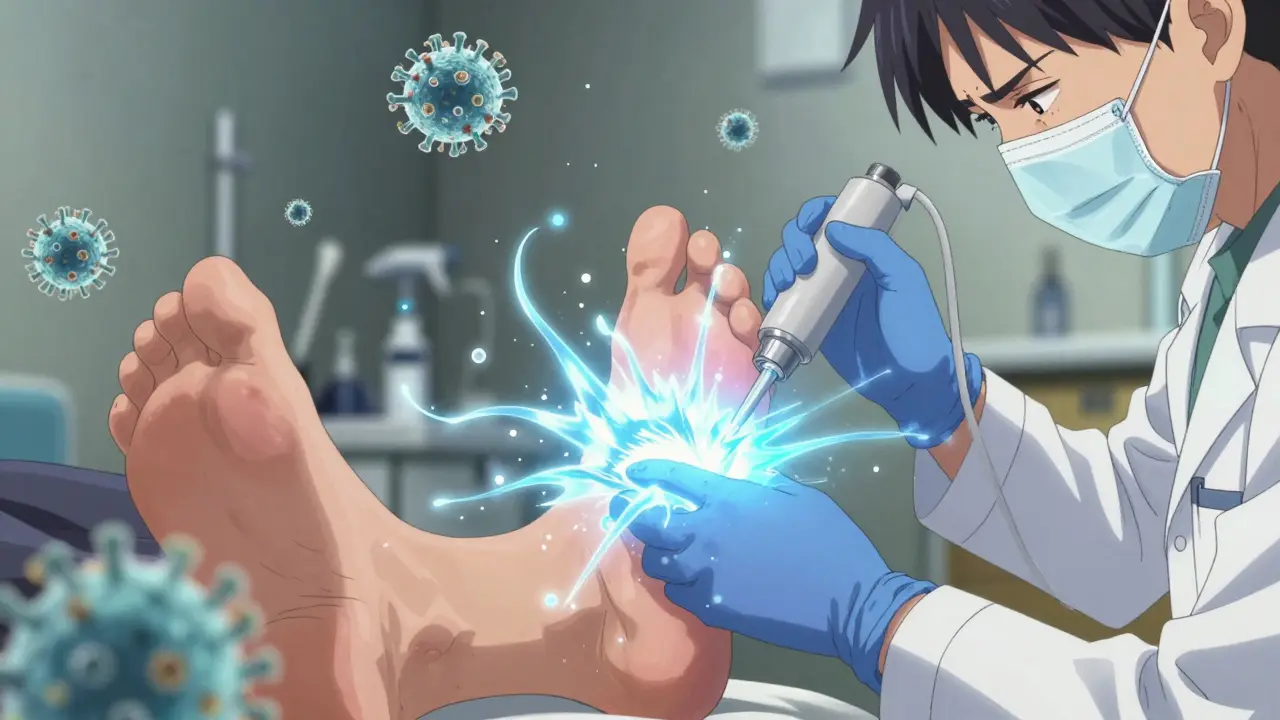
Liquid nitrogen cryotherapy is one of the most common treatments doctors use. It’s quick, non-invasive, and doesn’t require daily upkeep. The doctor sprays the wart with extremely cold nitrogen, freezing the tissue. The dead skin sloughs off over the next week or two. Here’s what the data says:- For common warts, cryotherapy and salicylic acid have nearly identical success rates at 12 weeks - around 69% vs. 67%.
- But timing matters. If you wait more than 4 weeks between treatments, the success rate drops from 75% to 40%.
- Most people need 3 to 6 sessions, spaced 2 to 3 weeks apart.
Immunotherapy: Teaching Your Body to Fight Back
When other treatments fail, doctors turn to imiquimod, a cream that wakes up your immune system. Instead of killing the wart directly, it tells your body, “Hey, there’s a virus here - go deal with it.” This is especially useful for flat warts or warts that keep coming back after freezing or acid treatments. Studies show it works where salicylic acid and cryotherapy didn’t. You apply it 2 to 3 times a week for several weeks. Side effects? Redness, itching, swelling - which is actually a good sign. It means your immune system is reacting. It’s not a quick fix. It can take 8 to 12 weeks to see results. But for recurrent warts, it’s one of the most reliable long-term solutions.What About Laser Treatments and Surgery?
Laser therapy, like the VBeam pulse dye laser, targets the tiny blood vessels feeding the wart. It’s effective, especially for warts that resist other treatments. The wart turns purple or black right after treatment and falls off in 1 to 2 weeks. But it’s expensive, often not covered by insurance, and requires multiple visits. Electrosurgery - burning the wart off with an electric needle - works fast. But it leaves a scar. Surgical cutting? Doctors avoid it. The edges of the cut often still contain HPV, and warts come back more aggressively in the scar tissue.Why Do Warts Come Back?
Even after a wart disappears, the virus can still be hiding in nearby skin. That’s why recurrence is so common. If you don’t treat all the infected areas, or if you keep touching the wart and then touching other parts of your body, you’re just spreading it. Here’s how to stop the cycle:- Don’t pick or scratch warts.
- Wash your hands after touching them.
- Use separate towels, nail clippers, and pumice stones.
- Wear flip-flops in public showers and pools.
- Keep feet dry - moisture helps HPV thrive.
What Doesn’t Work?
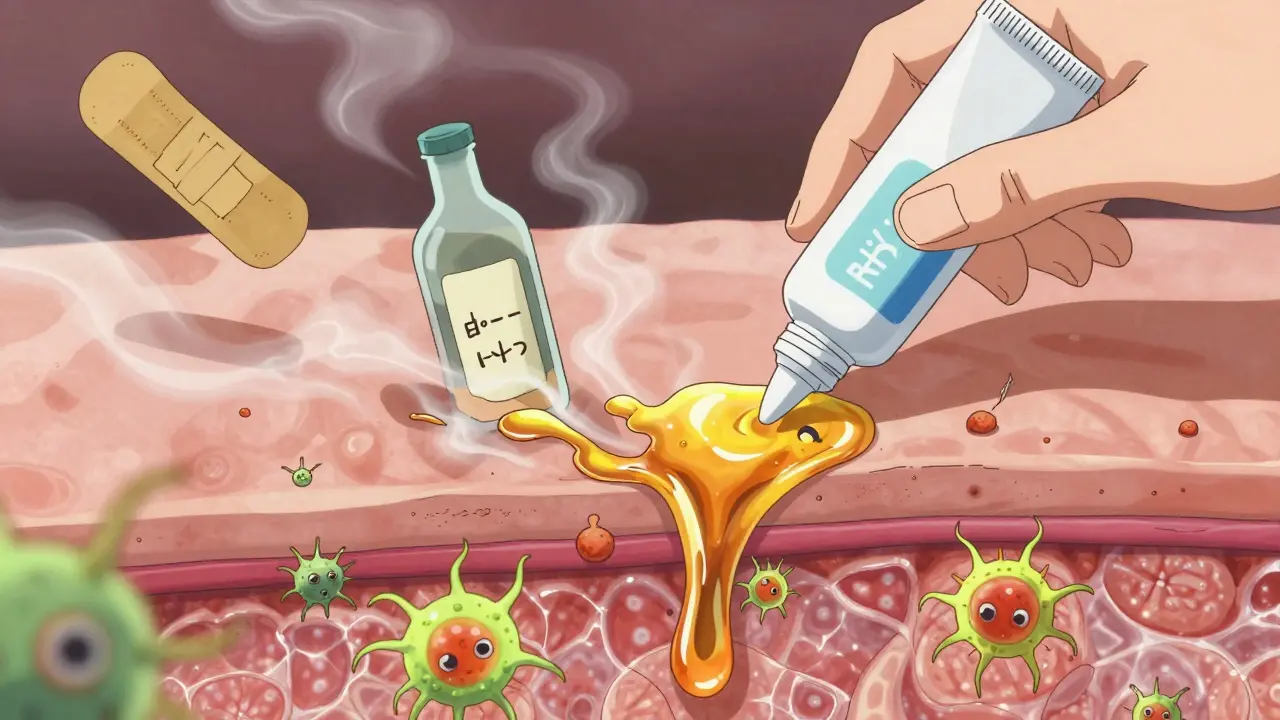
There are a lot of myths out there. You don’t need to:- Stick duct tape on it (studies show it’s no better than a placebo).
- Apply apple cider vinegar (no strong evidence).
- Use silver nitrate or cantharidin unless prescribed - these are rarely more effective and can burn healthy skin.
When to See a Doctor
You don’t need to rush to a dermatologist for every wart. But you should if:- The wart bleeds, changes color, or grows rapidly.
- It’s on your face or genitals - those need special care.
- You have diabetes or a weakened immune system.
- It’s been over 6 months and nothing’s worked.
- You’re not sure if it’s a wart at all.
The Bottom Line
Viral warts are annoying, but they’re treatable. The best approach? Start simple. Use salicylic acid daily for 12 weeks. If that doesn’t work, try cryotherapy. If it keeps coming back, talk to a dermatologist about imiquimod. Don’t waste time on unproven home remedies. And don’t ignore hygiene - you’re not just treating the wart, you’re stopping the virus from spreading to you or others. It’s not glamorous. It’s not instant. But with the right method and patience, you can get rid of it - for good.Can you catch viral warts from touching someone with them?
Yes. HPV spreads through direct skin-to-skin contact or by touching surfaces contaminated with the virus - like gym equipment, shower floors, or towels. You’re more likely to get infected if your skin is cut or wet. But not everyone who comes into contact with HPV gets warts - your immune system plays a big role.
Do over-the-counter wart removers work better than prescription ones?
Not necessarily. Over-the-counter salicylic acid is just as effective as many prescription treatments for common warts - as long as you use it correctly and consistently. Prescription options like trichloroacetic acid or imiquimod are stronger and used for stubborn cases, but they’re not always needed. The difference is usually in concentration and how they’re applied, not overall success rate.
How long does it take to get rid of a wart with salicylic acid?
Typically 6 to 12 weeks. Some warts respond faster, especially on thinner skin like the hands. Plantar warts on the feet take longer because the skin is thicker and under pressure. You need to apply it every day without skipping. Stopping early is the most common reason people say it didn’t work.
Is cryotherapy painful?
It’s uncomfortable, but brief. You’ll feel a sharp sting or burning sensation during the freeze, which lasts about 10 to 20 seconds. Afterward, the area may blister, swell, or turn red. Most people describe it as a quick pinch followed by mild soreness for a day or two. Kids often tolerate it better than adults because they don’t overthink it.
Can you get warts from frogs or toads?
No. That’s a myth. Warts are caused by human papillomavirus (HPV), which only infects humans. The bumpy skin on frogs and toads has nothing to do with HPV. You can’t catch a wart from touching one.
Why do some people get warts and others don’t?
It comes down to your immune system. Many people are exposed to HPV but never develop warts because their bodies clear the virus before it causes visible growths. Kids and teens are more likely to get them because their immune systems are still learning how to respond. People with weakened immunity - due to stress, illness, or medications - are also more vulnerable.
Are plantar warts different from other warts?
Yes. Plantar warts grow inward because of pressure from walking, so they’re often flat with a dark dot in the center (a clotted blood vessel). They’re usually more painful than warts on hands or fingers. Treatment is harder because the thick skin on the sole makes it harder for medications to penetrate. Cryotherapy and salicylic acid still work, but they often require more sessions.
Can you prevent viral warts?
You can reduce your risk. Keep your skin healthy and unbroken. Avoid walking barefoot in public showers or locker rooms. Don’t share towels, shoes, or nail tools. Wash your hands after touching a wart. If you have a wart, cover it with a bandage when swimming or using shared facilities. These steps won’t guarantee you won’t get one, but they lower your chances significantly.
Anna Weitz
December 27, 2025 AT 18:43Stop treating symptoms and start fixing the root cause
Babe Addict
December 29, 2025 AT 12:46Olivia Goolsby
December 30, 2025 AT 04:53John Barron
December 30, 2025 AT 16:33Liz MENDOZA
December 31, 2025 AT 10:59Liz Tanner
January 1, 2026 AT 18:48Nicola George
January 3, 2026 AT 16:12Alex Lopez
January 3, 2026 AT 23:23Gerald Tardif
January 4, 2026 AT 00:18Satyakki Bhattacharjee
January 4, 2026 AT 23:41Monika Naumann
January 4, 2026 AT 23:58Elizabeth Ganak
January 6, 2026 AT 19:51Kishor Raibole
January 8, 2026 AT 07:40