Why are Prescription Drug Prices So High in the US? The Real Reasons
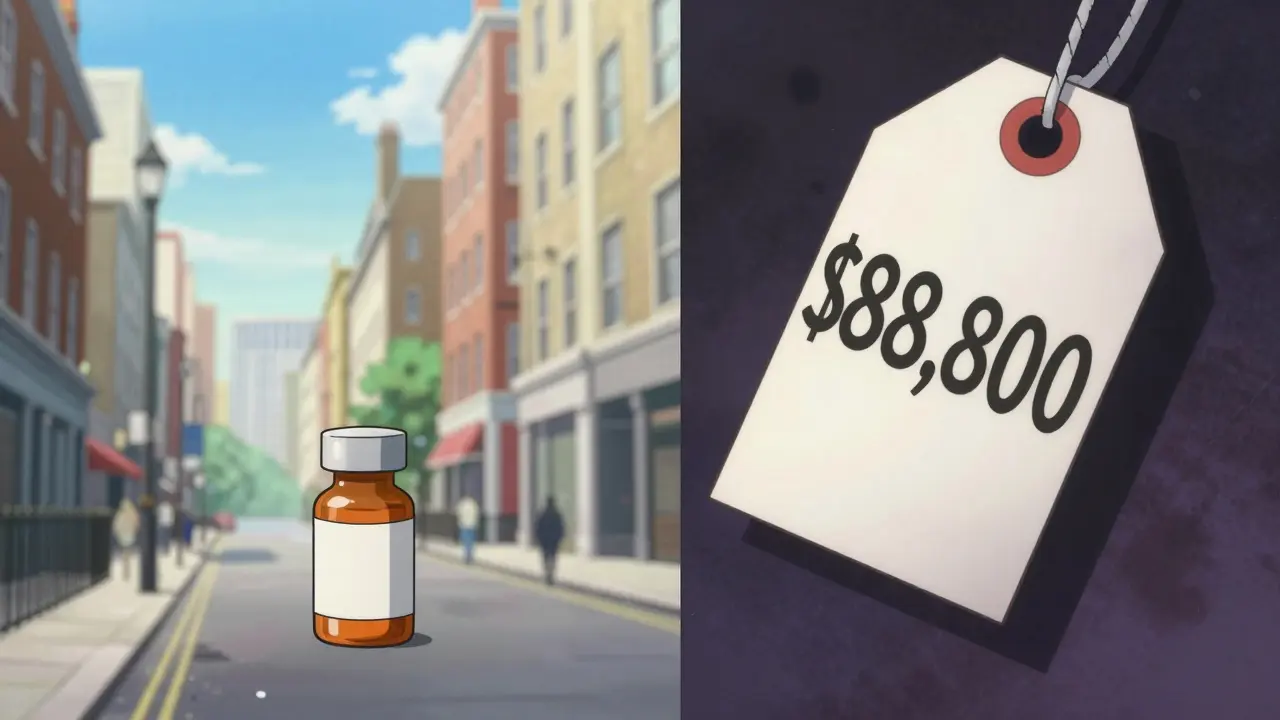
Imagine buying a car that costs $1,400 in London, but the exact same model from the same factory costs you $88,800 in New York. That sounds like a scam, right? Yet, for people living with Wilson's disease in the United States, that is the reality for a medication called Galzin. While patients in the UK pay a fraction of the cost, Americans are hit with a markup of over 1,500%. Why does this happen? It is not just "corporate greed," though that plays a part. It is a systemic failure where a lack of regulation and a web of middle-men create a perfect storm of high costs.
The Missing Negotiator
In most developed countries, the government acts as a single, powerful buyer. If a drug company wants to sell its product in France or Canada, the government negotiates a fair price. If the company refuses, they lose access to the entire market. In the U.S., for decades, we didn't have that. The Medicare Modernization Act of 2003 actually banned Medicare from negotiating drug prices directly with manufacturers.
Think about that: the largest healthcare payer in the country was legally forbidden from haggling. This gave pharmaceutical companies near-total autonomy to set whatever price they wanted. While the Inflation Reduction Act finally started to change this by allowing some negotiations and creating inflation-based rebates, the progress is slow. By 2026, only ten drugs are covered under the negotiation program. For the rest, the "sticker price" remains largely untouched.
The Hidden Middle-Men: What are PBMs?
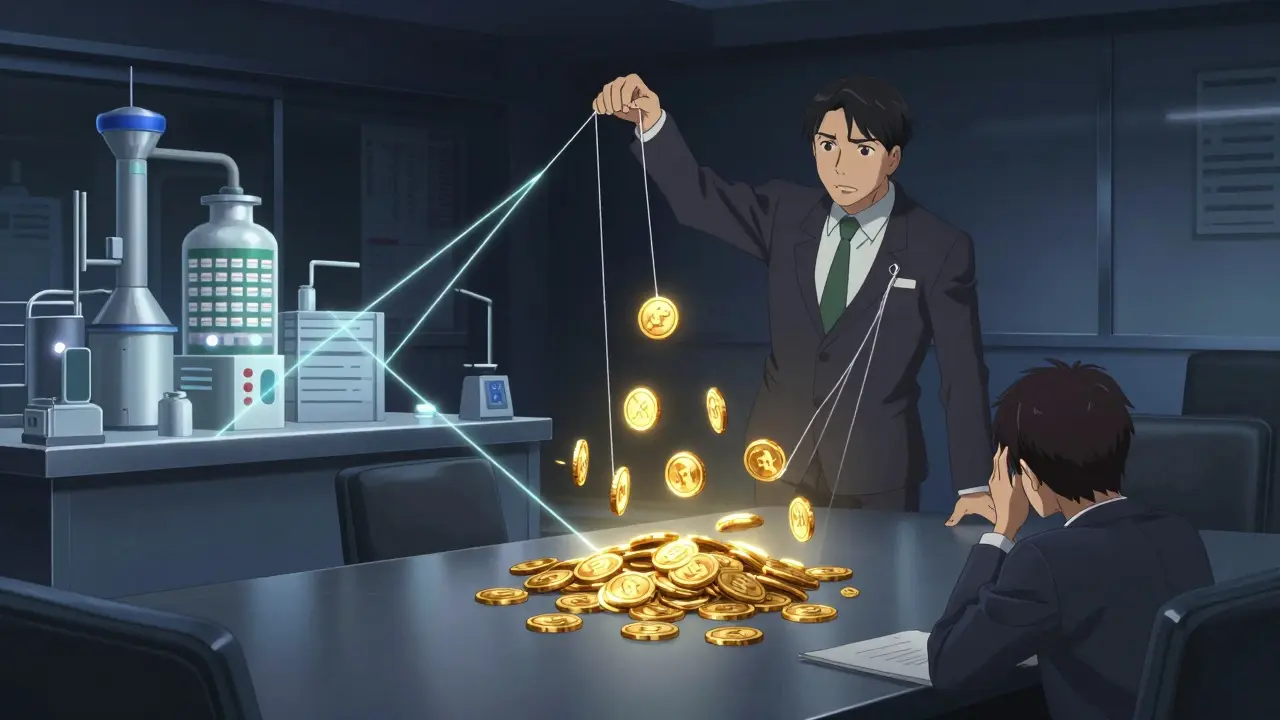
If you think the price is just a deal between the drug maker and the pharmacy, you're missing a huge piece of the puzzle. Enter Pharmacy Benefit Managers (or PBMs), which are third-party administrators that manage prescription drug benefits for insurers and employers.
PBMs were supposed to lower costs by negotiating discounts. Instead, many have become vertically integrated giants. They often prefer drugs with higher "list prices" because they can negotiate larger rebates for themselves, even if the patient at the counter still pays a huge amount. It's a twisted incentive: the higher the initial price, the bigger the rebate the PBM can pocket. This lack of transparency makes it almost impossible for a regular person to know what a drug actually costs versus what is being skimmed off the top.
| Feature | United States | OECD Countries (e.g., UK, Germany) |
|---|---|---|
| Price Negotiation | Limited (Started recently via IRA) | Centralized / Government-led |
| Price Controls | None (Market-driven) | Reference Pricing / Caps |
| Cost for Brand-Name Drugs | ~3x higher than average | Significantly lower |
| Middle-man Influence | High (PBMs) | Low / Transparent |
The R&D Argument vs. Reality
Drug companies always argue that high prices are necessary to fund research and development (R&D). They claim that without these profits, we wouldn't have the next cure for cancer. While innovation is expensive, the numbers tell a different story. The U.S. accounts for less than 5% of the global population but generates about 75% of all global pharmaceutical profits.
When companies charge $88,800 for a drug that costs $1,400 elsewhere, they aren't just recouping R&D costs; they are maximizing profit extraction. This is especially true for Specialty Drugs, which are high-cost medications used to treat complex conditions like cancer or rare endocrine disorders. These drugs are the primary drivers of the 9% to 11% spending increase projected for 2025, including the newer, high-demand medications for obesity and diabetes.
Recent Changes and Political Tug-of-War
We've seen a lot of noise recently about lowering costs. The Inflation Reduction Act introduced a $2,000 annual out-of-pocket cap for Medicare beneficiaries, which is a genuine lifeline for seniors. However, the political landscape is messy. Reports indicate that subsequent budget reconciliation bills, like HR 1, may have actually weakened some of the negotiation programs, potentially increasing Medicare spending by billions.
There's also a battle over "Most-Favored-Nation" pricing-the idea that the U.S. should pay no more than other developed countries. While some executive orders have pushed for this, the reality on the ground is that hundreds of drugs have continued to increase in price. Even with promises to lower costs "almost immediately," the structural wall of patent laws and pharmaceutical lobbying remains incredibly strong.

The Human Cost of High Prices
This isn't just about economics; it's about people's lives. When a drug is priced out of reach, patients start "rationing." This means taking a pill every other day instead of every day, or skipping doses entirely to make the prescription last longer.
For millions of seniors, the choice is often between paying for their heart medication or buying groceries. While recent deals have brought down the monthly cost of some popular weight-loss drugs like Ozempic and Wegovy (dropping some prices from over $1,000 to around $350), these are specific wins in a much larger, broken system. The fundamental problem is that the U.S. market is the only one where the manufacturer holds almost all the cards.
Why doesn't the U.S. just cap drug prices like Canada?
The U.S. lacks a centralized health agency with the legal authority to set price ceilings. Because we have a fragmented system of private insurers and government programs, there is no single entity with enough leverage to force price caps across the board without significant legislative changes and legal battles with pharmaceutical lobbyists.
What exactly is a PBM and why do they make drugs more expensive?
Pharmacy Benefit Managers (PBMs) are the "middle-men" who negotiate between drug makers and insurers. They often favor drugs with higher list prices because they can negotiate larger "rebates" for themselves. This creates a system where the nominal price of a drug stays high even if the PBM is getting a discount behind the scenes.
Does the Inflation Reduction Act actually lower costs?
Yes, but in limited ways. It created a $2,000 annual cap on out-of-pocket costs for Medicare Part D and allows the government to negotiate prices for a small number of the most expensive drugs. However, these changes only affect a fraction of the total medication market.
Why are "specialty drugs" so much more expensive?
Specialty drugs treat rare or complex conditions (like cancer or autoimmune diseases). Because the patient pool is small, companies charge exorbitant prices to maximize profit per patient, knowing that insurance companies or the government often have no other alternative treatment to switch to.
How can patients find cheaper alternatives?
Patients can look for generic versions of their medication, use manufacturer coupons, or utilize pharmacy discount programs. In some cases, switching to a different but therapeutically equivalent drug may be cheaper, depending on the insurer's formulary.
Next Steps for Patients
If you are struggling with medication costs, start by asking your doctor if there is a generic equivalent available. You can also check with your insurance provider to see if a similar drug is on a "preferred" tier, which usually means a lower co-pay. For those on Medicare, keep a close eye on the annual out-of-pocket caps and check for updated lists of negotiated drugs as the 2026 rollout continues.