Adverse Drug Events Explained: Types, Risks, and Prevention Strategies
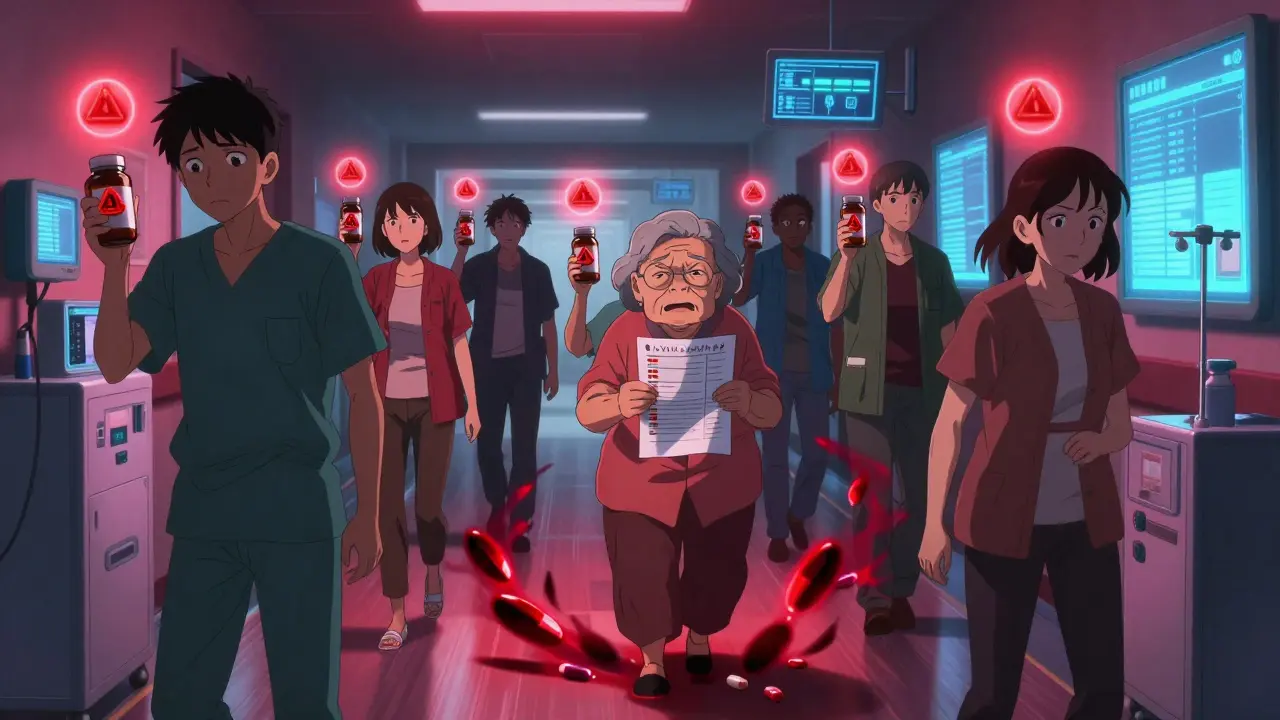
Medication is supposed to heal you. But sometimes, it hurts you instead. This isn't just a rare side effect; it's a major public health crisis. An Adverse Drug Event (ADE) is any injury or harm resulting from medical intervention related to a drug, including errors, reactions, and overdoses. Whether it’s a wrong dose prescribed by a busy doctor, a dangerous interaction between two pills, or an unexpected allergic reaction, these events land millions of people in the hospital every year.
In the United States alone, ADEs contribute to roughly 125,000 hospital admissions and over 3 million physician office visits annually. The numbers are staggering, but here is the good news: nearly half of these events are preventable. Understanding what causes them and how to stop them is the first step toward safer care for everyone.
What Exactly Is an Adverse Drug Event?
To understand how to prevent harm, we first need to define it clearly. Many people confuse "side effects" with adverse drug events, but there is a distinct difference. A side effect might be mild nausea from antibiotics that goes away on its own. An ADE is actual harm.
The concept gained massive attention after the Institute of Medicine released its landmark 2000 report, To Err Is Human. That study revealed that medication errors cause at least 7,000 deaths annually in U.S. hospitals. Since then, organizations like the World Health Organization (WHO) have launched global challenges, such as "Medication Without Harm," aiming to reduce severe, avoidable medication-related harm by 50% worldwide.
An ADE can happen at any stage of the medication journey:
- Prescribing: The doctor chooses the wrong drug or dose.
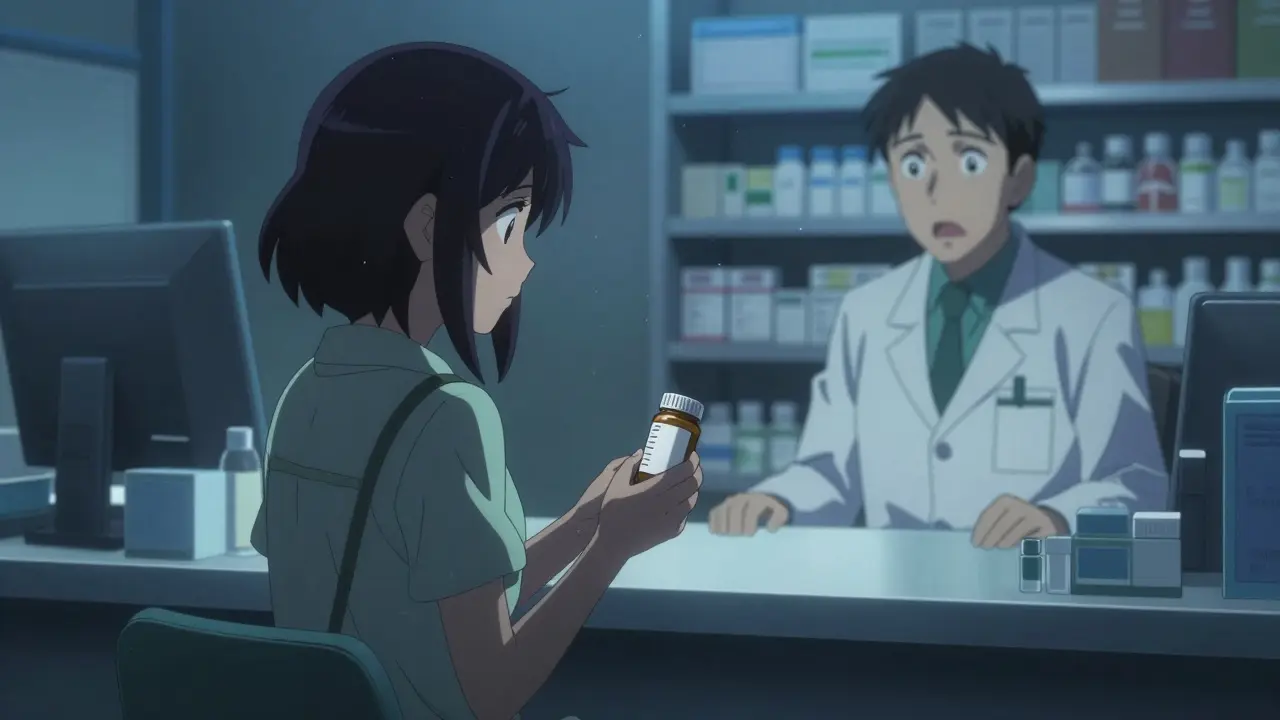
- Dispensing: The pharmacy gives you the wrong pill.
- Administration: The nurse gives the drug too fast or via the wrong route.
- Monitoring: No one checks if the drug is working or causing damage.
- Patient Use: You take the medication incorrectly or miss doses.
If any of these steps fail and result in injury, it is classified as an ADE.
The Main Types of Adverse Drug Events
Not all ADEs look the same. They generally fall into specific categories based on why they happened. Knowing these types helps patients and providers spot risks early.
| Type | Description | Example |
|---|---|---|
| Adverse Drug Reaction (ADR) | Unintended pharmacological response at normal doses. | Bleeding from blood thinners due to high sensitivity. |
| Medication Error | Preventable mistake in prescribing, dispensing, or taking drugs. | Taking a daily pill twice by accident. |
| Drug-Drug Interaction | One drug changes how another drug works. | St. John’s Wort reducing the effectiveness of birth control. |
| Allergic Reaction | Immune system response to a medication. | Rash, swelling, or anaphylaxis from penicillin. |
| Overdose | Intentional or accidental excessive dosing. | Taking extra painkillers for severe pain without consulting a doctor. |
StatPearls categorizes adverse drug reactions further into Type A (predictable, dose-dependent, making up 80% of cases) and Type B (unpredictable, idiosyncratic). Type A reactions are often preventable through proper dosing and monitoring, while Type B reactions are harder to foresee.
High-Risk Medications to Watch
Some drugs carry a much higher risk of causing ADEs than others. These are often called "high-alert medications." If you or a loved one is taking any of these, extra caution is required.
Anticoagulants (Blood Thinners): Drugs like warfarin and apixaban prevent clots but increase bleeding risk. Warfarin alone accounts for 33% of anticoagulant-related ADE hospital admissions. The danger lies in its narrow therapeutic index-meaning the difference between a helpful dose and a harmful one is tiny. Inadequate INR monitoring leads to thousands of emergency room visits yearly.
Insulin and Diabetes Agents: Hypoglycemia (low blood sugar) is a leading cause of ADE-related ER visits, especially for adults over 65. Insulin contributes to 27% of these events. Symptoms like confusion, sweating, and fainting can be mistaken for other conditions, delaying treatment.
Opioids: Painkillers like oxycodone and fentanyl are responsible for a significant portion of medication-related deaths. Sedation and respiratory depression are the primary risks. In 2021, over 70,000 overdose deaths involved synthetic opioids. Even when taken as prescribed, combining opioids with benzodiazepines drastically increases the risk of fatal respiratory failure.
Proven Strategies to Prevent Harm
Preventing ADEs requires a team effort involving doctors, pharmacists, nurses, and most importantly, patients. Research shows that structured interventions can cut ADE risks significantly.
- Medication Reconciliation: This is the process of creating the most complete list possible of all medications a patient is taking, comparing it against the orders in the healthcare setting, and reconciling any discrepancies. Studies show this reduces post-discharge ADEs by 47%. Never assume your new doctor knows exactly what you are taking.
- Thorough Medication List Reviews: Keeping an updated list of all prescriptions, over-the-counter drugs, and supplements reduces ADE risk by 30%. Bring this list to every appointment.
- Clinical Decision Support: Electronic prescribing systems with built-in alerts can flag dangerous interactions. These tools reduce error rates by nearly 50%. However, alert fatigue is real, so clinicians must prioritize high-risk warnings.
- Pharmacogenomic Testing: This emerging field looks at how your genes affect drug metabolism. For example, testing before prescribing clopidogrel (Plavix) can identify patients who won’t benefit from the drug, reducing related ADEs by 35%.
- Deprescribing: Removing unnecessary medications, especially in older adults, reduces anticholinergic-related ADEs by 40%. Polypharmacy (taking many drugs) is a major risk factor for interactions.
The Role of Pharmacists in Safety
Pharmacists are often the last line of defense before a medication reaches the patient. Their role has expanded beyond dispensing pills to active management of therapy.
Medication Therapy Management (MTM) services, conducted by pharmacists, identify and resolve an average of 4.2 medication problems per patient. This proactive approach reduces overall ADE risk by 32%. In specialized settings, like pharmacist-led anticoagulation clinics, major bleeding events drop by 60% compared to standard care. If you have complex health issues, ask your doctor for a referral to a clinical pharmacist.
How Patients Can Protect Themselves
You are the constant in your healthcare journey. Doctors change, hospitals change, but you remain the same. Here is how you can actively prevent ADEs:
- Ask Questions: Don’t be afraid to ask, "Why am I taking this?" and "What are the side effects?" If you don’t understand the instructions, speak up.
- Use One Pharmacy: Using a single pharmacy allows the computer system to check for interactions across all your prescriptions. Splitting prescriptions among multiple pharmacies hides these risks.
- Report Side Effects: If you feel unwell after starting a new drug, tell your provider immediately. Early detection prevents minor issues from becoming emergencies.
- Review Your Meds Annually: Sit down with your doctor or pharmacist once a year to review every single pill. Ask if any can be stopped or lowered in dose.
The Future of Medication Safety
Technology is evolving rapidly to help catch errors before they happen. Artificial intelligence-driven predictive analytics are being piloted in hospitals like Johns Hopkins, where machine learning algorithms analyze over 50 patient variables to predict individual ADE risk. These pilots have already shown a 17% reduction in adverse events.
Interoperability is also improving. With the 21st Century Cures Act mandating better data sharing, electronic health records (EHRs) are becoming more connected. By 2022, 89% of U.S. hospitals had implemented EHRs, though only 45% had fully integrated clinical decision support for high-risk meds. As this gap closes, real-time alerts will become more accurate and less intrusive.
Personalized medicine is the next frontier. Pharmacogenomic testing adoption is expected to jump from 5% today to 30% by 2027. This means dosing will be tailored to your unique biology, potentially preventing 100,000 ADEs annually in the U.S. alone.
What is the difference between a side effect and an adverse drug event?
A side effect is an unintended but often mild or expected consequence of a medication, like drowsiness from antihistamines. An adverse drug event (ADE) involves actual harm or injury to the patient, such as internal bleeding from blood thinners or kidney damage from certain painkillers. All ADEs are negative, but not all side effects qualify as ADEs.
Are most adverse drug events preventable?
Yes, experts estimate that nearly 50% of adverse drug events are preventable. This includes errors in prescribing, dispensing, and administration, as well as predictable reactions that could be avoided through proper monitoring and dosing adjustments.
Which medications are most likely to cause adverse events?
High-risk medications include anticoagulants (like warfarin), insulin and other diabetes agents, and opioids. These drugs have narrow therapeutic windows or high potential for serious complications like bleeding, hypoglycemia, or respiratory depression if not managed carefully.
How can I reduce my risk of having a bad reaction to medication?
Keep an updated list of all your medications (including supplements), use a single pharmacy, attend regular medication reviews with your doctor or pharmacist, and always report new symptoms promptly. Asking questions about why you are taking each drug and what to watch for is crucial.
What is medication reconciliation?
Medication reconciliation is the process of verifying and updating a patient's medication list during transitions of care, such as moving from hospital to home. It ensures that no medications are missed, duplicated, or incorrectly dosed, reducing post-discharge ADEs by nearly half.