Clinical Outcomes Data: What Studies Show Providers About Generic Medications

When a patient walks into your office asking why they’re now taking a pill that looks completely different from what they used to get, the real question beneath their concern isn’t about color or shape-it’s about safety. Generic drugs are prescribed in 90% of all U.S. prescriptions, yet many providers still hear hesitation from patients-and sometimes, from colleagues. The truth? The data doesn’t lie. Generics work just as well as brand-name drugs for nearly every condition, and the evidence has been piling up for decades.
What Does ‘Bioequivalent’ Really Mean?
The FDA doesn’t approve a generic drug just because it has the same active ingredient. That’s the easy part. The real test is bioequivalence: does the body absorb and use the drug the same way? For most drugs, that means the amount of medicine in the bloodstream (measured by AUC and Cmax) must fall within 80% to 125% of the brand-name version. For drugs with a narrow therapeutic index-like warfarin, levothyroxine, or tacrolimus-the bar is even higher. Studies using scaled average bioequivalence (SCABE) show these generics still meet the same clinical outcomes, even after multiple switches between brands and generics.
A 2020 study in Nature Scientific Reports followed transplant patients switching between brand and generic tacrolimus over 42 days. No spike in rejection rates. No drop in blood levels. No increased side effects. The same pattern shows up across dozens of studies. The FDA’s 2022 report confirms that generics meet the same strict manufacturing standards as brand-name drugs-same active ingredient, same dosage, same release profile. The only difference? The price.
Real-World Outcomes: What Happens When Patients Take Generics?
Lab results don’t always tell the whole story. What matters is what happens in real life: do patients get better? Do they stay on their meds? Do they end up in the hospital? The 2019 PLOS Medicine study tracked over 1.3 million patients across 16 drug classes and found something surprising: for most conditions, generics performed just as well-or better.
For heart medications like amlodipine and quinapril, patients on generics had lower rates of heart attacks and strokes. For diabetes drugs like metformin, blood sugar control was identical. Even in chronic conditions like osteoporosis, generic alendronate performed just as well as the brand version in preventing fractures. The hazard ratios? Almost always right at 1.00-meaning no difference in risk.
But there’s a twist. In psychiatric medications like escitalopram and sertraline, a few studies showed slightly higher hospitalization rates with generics. At first glance, that sounds alarming. But dig deeper: the same pattern appeared when researchers compared authorized generics (made by the original brand company) to the brand-name version. That suggests it’s not the drug-it’s perception. Patients who expect generics to be weaker may unconsciously report more side effects or discontinue use sooner. The drug doesn’t change. The belief does.
Are Generics Safer Than Brands?
One of the biggest myths is that generics cause more side effects. The data says the opposite. From 2015 to 2020, the FDA’s Adverse Event Reporting System recorded only 0.02% of all reports linked to generic-specific issues. Meanwhile, brand-name drugs accounted for 3.2% of reports. That’s not because generics are riskier-it’s because they’re used far more often. More prescriptions = more reports. But the rate per prescription? Lower.
And here’s another thing: patients on generics are just as likely to stick with their treatment. The PLOS Medicine study found no difference in discontinuation rates between brand and generic users. Even when patients switched from brand to generic, they didn’t go back more often than expected. In fact, authorized generics had the lowest switch-back rate-just 1.8% compared to 2.7% for traditional generics. That’s not because they’re more effective. It’s because they look and taste more like the original. Patients recognize them. They feel more confident.

Why Do Some Providers Still Hesitate?
It’s not about science. It’s about memory. Many providers remember a time when generics were unreliable. That was decades ago. Today’s generics are held to the same standards as brand-name drugs. The FDA’s average review time for a generic application is 10 months. The manufacturer must prove pharmaceutical equivalence, bioequivalence, and consistent quality across every batch. There’s no shortcut.
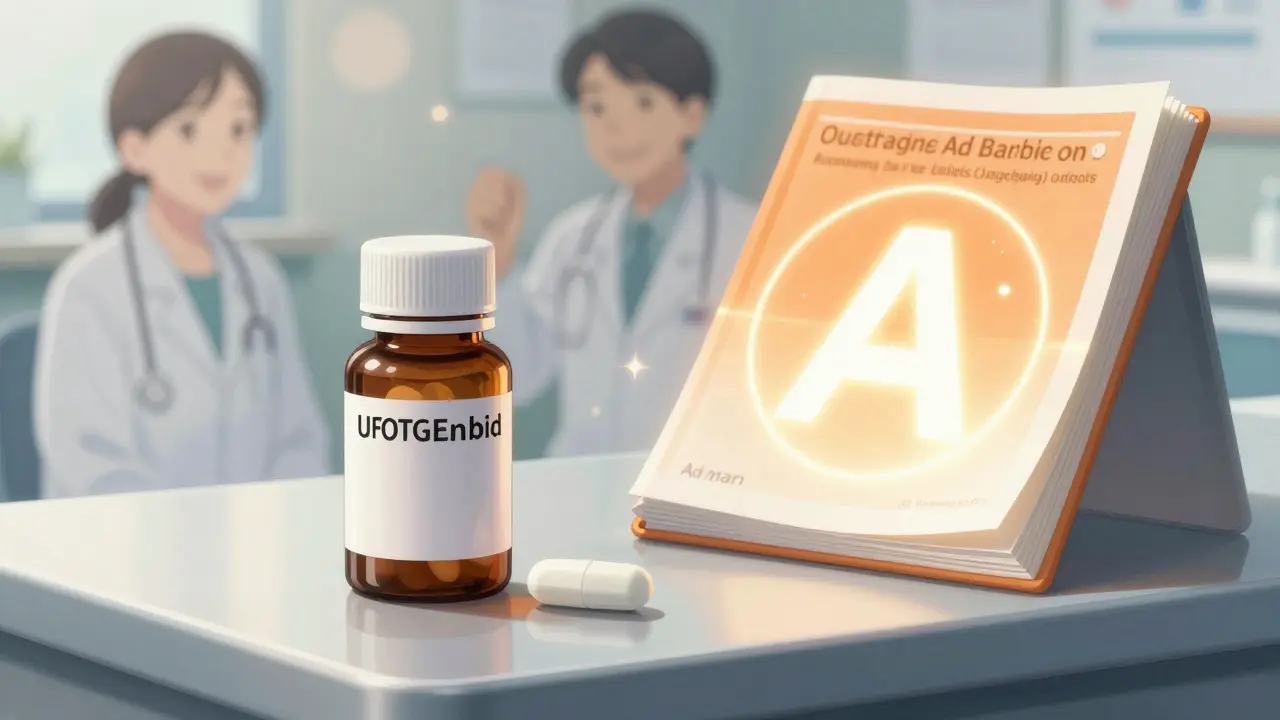
Some providers worry about complex drugs-like inhalers, topical creams, or injectables. Those are trickier to replicate. But even here, the FDA has updated its guidelines. The 2023 draft guidance on complex generics outlines exactly how to test them. Of the over 13,000 generic drugs approved in the U.S., 97% are rated ‘A’-meaning they’re therapeutically equivalent. Only 3% are flagged as ‘B,’ and those are mostly niche products like certain inhalers or biologics. For 97% of prescriptions, you can prescribe with confidence.
What About Cost? Does It Really Matter?
Generics save the U.S. healthcare system $377 billion every year. Since 2009, that’s over $2.2 trillion. For patients, it means choosing between their medication and their rent. For providers, it means fewer hospitalizations, fewer complications, fewer missed appointments. The Congressional Budget Office estimates generics will save $158 billion annually through 2027. That’s not a footnote-it’s the backbone of accessible care.
And here’s something rarely discussed: when patients can afford their meds, they take them. When they can’t, they skip doses, split pills, or stop entirely. That’s when chronic conditions turn into emergencies. A 2020 study of 3.5 million Medicare beneficiaries showed that, after adjusting for health status, patients on generics had nearly the same survival rates as those on brand-name drugs. The initial gap? It wasn’t because generics were worse. It was because healthier, wealthier patients were more likely to get the brand-name version. Once you account for that, the outcomes are identical.
How Should Providers Respond to Patient Concerns?
Don’t just say, ‘It’s the same.’ Say, ‘It’s held to the same standard by the FDA.’ Explain the bioequivalence testing. Mention the 10-month review process. Point out that the same company that makes the brand might make the generic too. Show them the Orange Book-where ‘A’ means equivalent. Bring up the data: 47 studies on cardiovascular drugs, 1.3 million patients, zero consistent safety issues.
And if they still hesitate? Offer the authorized generic. It’s chemically identical, often made in the same factory, and sometimes even packaged in the same bottle. It costs less than the brand, but looks familiar. It’s a bridge between perception and evidence.
The Bottom Line for Providers
The evidence is overwhelming. Generics work. They’re safe. They’re cheaper. And they save lives-not just by cutting costs, but by making treatment sustainable. The American College of Physicians says it plainly: prescribe generics when available. Harvard Medical School says the same. The FDA says the same. And the data, from clinical trials to real-world use, backs them up.
It’s not about trust in generics. It’s about trust in the science. And that science is solid.
Are generic drugs really as effective as brand-name drugs?
Yes. Over 90% of prescriptions in the U.S. are filled with generics, and decades of clinical studies show they deliver the same therapeutic outcomes. The FDA requires generics to meet strict bioequivalence standards-meaning they must be absorbed into the bloodstream at the same rate and to the same extent as the brand-name version. Studies tracking heart disease, diabetes, depression, and more show no meaningful difference in effectiveness or safety.
Why do some patients feel generics don’t work as well?
It’s often about perception, not pharmacology. Generics may look different-different color, shape, or inactive ingredients-which can trigger subconscious doubts. Some patients report side effects after switching, but studies show these reports drop when they’re told they’re taking an authorized generic (made by the original brand). In psychiatric medications, slight increases in hospitalization rates were found, but the same pattern occurred with authorized generics, suggesting it’s not the drug itself but patient expectations driving the response.
Are there any drugs where generics aren’t recommended?
Only about 3% of generic drugs are rated ‘B’ by the FDA, meaning they’re not considered therapeutically equivalent. These are typically complex products like certain inhalers, topical creams, or narrow therapeutic index drugs where small differences in formulation could matter. For most drugs-including blood thinners, thyroid meds, and antidepressants-generics are fully equivalent. Always check the FDA’s Orange Book for the official rating of a specific drug.
Do generics cause more side effects?
No. From 2015 to 2020, only 0.02% of all adverse event reports to the FDA were linked to generic-specific issues. Brand-name drugs accounted for 3.2% of reports-but they’re prescribed far less often. When you adjust for usage rates, generics have a better safety profile. The ingredients are the same. The manufacturing standards are the same. The side effects are the same.
How can I be sure a generic is approved and safe?
All FDA-approved generics go through the same rigorous process as brand-name drugs. They must prove pharmaceutical equivalence (same active ingredient, strength, dosage form) and bioequivalence (same absorption rate and level). The FDA reviews each application for an average of 10 months. You can verify a drug’s status using the FDA’s Orange Book, which lists all approved generics and their therapeutic equivalence ratings. Look for ‘A’ ratings-they mean the drug is interchangeable with the brand.
What’s the difference between a generic and an authorized generic?
An authorized generic is made by the original brand-name manufacturer and sold under a generic label. It’s identical in every way to the brand-same ingredients, same factory, same packaging (often just a different label). A traditional generic is made by a different company but still meets FDA bioequivalence standards. Authorized generics often have higher patient acceptance because they look and taste exactly like the brand, reducing psychological barriers to switching.
What Comes Next?
For providers, the path forward is clear: lead with evidence. When patients ask why they’re switching, don’t just hand them a prescription. Explain the science. Share the data. Point them to the FDA’s resources. And when you prescribe a generic, you’re not cutting corners-you’re choosing better care.
The next time you see a patient struggling to afford their medication, ask yourself: is this about the drug-or the cost? Generics aren’t a compromise. They’re the standard. And the data? It’s on your side.


Shane McGriff
January 19, 2026 AT 23:24I've seen this play out in my clinic for years. Patients come in terrified their new pill is 'fake'-until I show them the FDA's Orange Book and explain bioequivalence. One guy switched from brand Lipitor to generic and cried because he thought he was being 'cheated.' Turns out his cholesterol dropped even lower. We don't need fear-we need facts. And yeah, the price difference? That’s the real hero here.
pragya mishra
January 21, 2026 AT 05:19Why do you trust American drugs so much? In India, generics are made in dirty factories. You think FDA is perfect? Please. My cousin took a generic blood pressure pill and almost died. The label said 'Amlodipine' but it was just sugar and chalk. Don’t blind yourself to the truth.
Manoj Kumar Billigunta
January 22, 2026 AT 16:59Pragya, I hear your concern. But FDA-approved generics aren’t the same as unregulated products. In India, yes-there are bad actors. But in the U.S., every batch is tested. The same company that makes the brand often makes the generic too. If your cousin had a bad reaction, it was likely a counterfeit, not a generic. We need to separate the real issue-the lack of regulation in some countries-from the proven safety of FDA-approved generics here.
Andy Thompson
January 23, 2026 AT 16:24LOL. FDA? More like FDA = Fake Drug Administration. They’re in bed with Big Pharma. Generics are just the placebo version they push so you don’t notice the real drugs are being hoarded for the elite. You think they want you healthy? Nah. They want you hooked on $500/month pills so you keep paying. Generics? They’re the Trojan horse to get you dependent on inferior stuff. Wake up, sheeple. 🤡
sagar sanadi
January 24, 2026 AT 21:25Oh wow, so now the FDA is the saint of medicine? Next you’ll say the moon landing was real. I’ve seen a guy switch to generic sertraline and turn into a zombie. Then he switched back to brand and was fine. Coincidence? Or is the FDA just lying to save a few bucks? I call BS. 🤨
kumar kc
January 26, 2026 AT 14:54Doctors who prescribe generics are failing their patients. If you can afford the brand, you should take it. Generics are for people who can’t afford to be healthy.
Art Gar
January 26, 2026 AT 21:13While the empirical evidence presented in the original post is statistically robust, one must acknowledge the confounding variable of patient expectancy bias, which, while well-documented, does not negate the potential for subtle pharmacokinetic variations in complex formulations. Furthermore, the economic argument, while compelling, risks instrumentalizing therapeutic outcomes as cost-reduction metrics rather than patient-centered care imperatives.
clifford hoang
January 27, 2026 AT 09:51Think about it: if generics are so perfect, why do they all look like shit? Why do they taste weird? Why do they come in weird packaging? It’s not just about chemistry-it’s about energy. The brand-name pill carries the vibration of scientific integrity. The generic? It’s mass-produced by robots in a basement in China, infused with corporate apathy. You can’t quantify that in an AUC graph, but your body feels it. 🌑💊 #TheTruthIsInYourGut
Renee Stringer
January 28, 2026 AT 06:30My mother took a generic thyroid med and lost 20 pounds in two months without trying. She was diagnosed with hyperthyroidism. The doctor switched her back to brand and she stabilized. I’m not saying generics are bad-I’m saying we need more monitoring. Not every patient is the same.