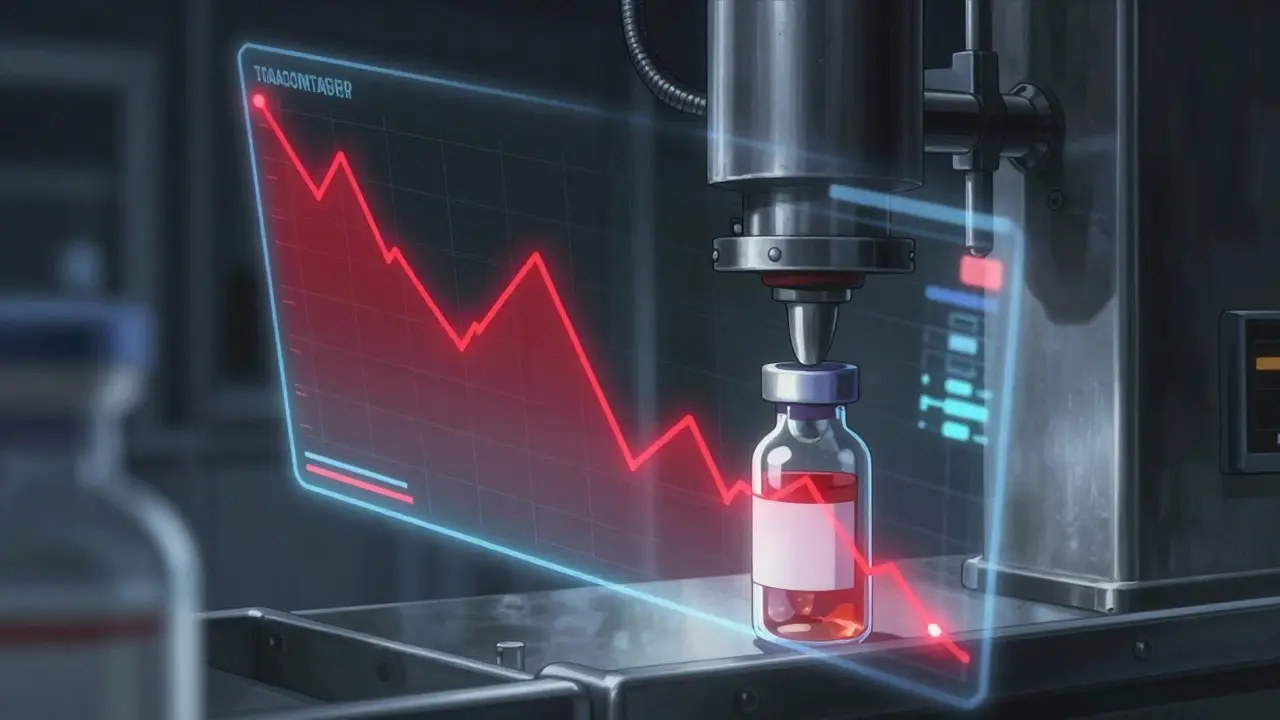
Drug Shortages and Quality Halts: Why Production Stops to Keep Patients Safe
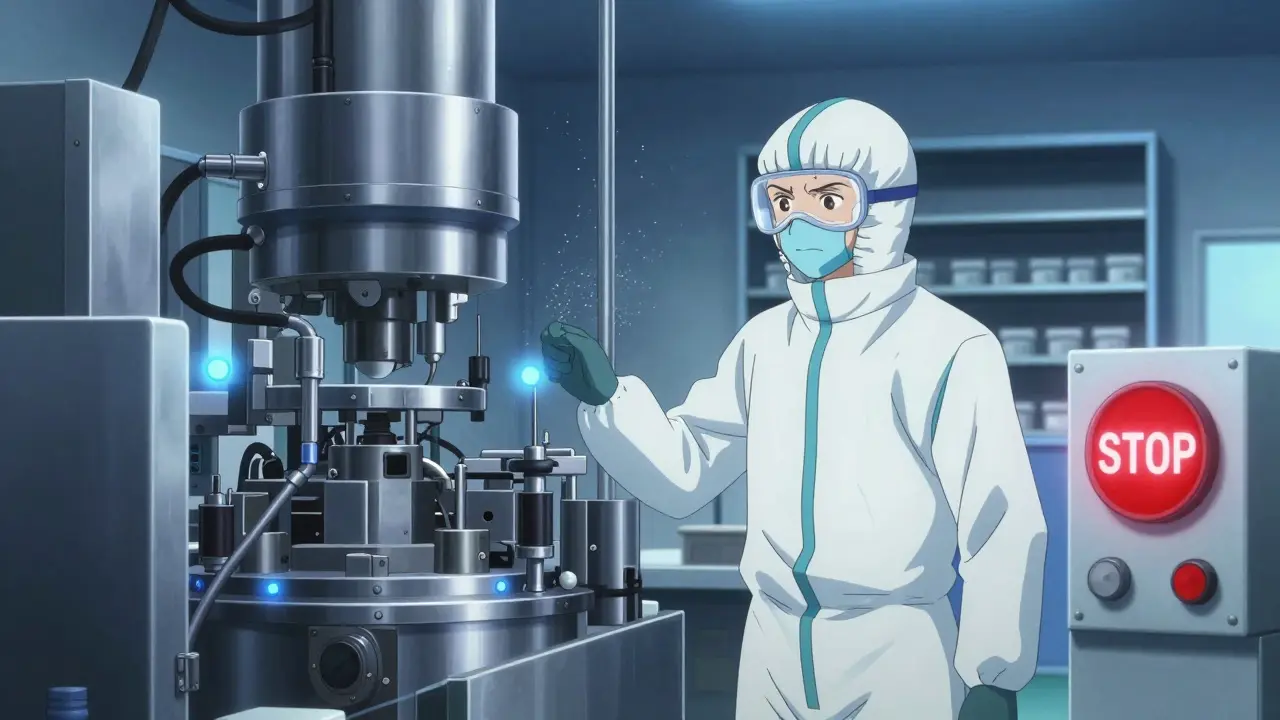
Imagine a hospital pharmacy running out of a critical antibiotic or a cancer treatment. The shelves are empty, the orders are delayed, and patients are waiting. This is the harsh reality of drug shortages, a crisis that affects healthcare systems globally. While supply chain issues like raw material delays often get the blame, a significant portion of these shortages stems from inside the factory walls. When a pharmaceutical manufacturer discovers a quality problem-whether it’s a contaminated batch, a labeling error, or a deviation in chemical purity-they must immediately halt production. This isn’t just a bureaucratic hurdle; it is a legal and ethical imperative to ensure patient safety.
For manufacturers, stopping the line is a painful decision. It costs money, disrupts schedules, and angers customers. But continuing to produce potentially defective drugs carries risks far greater than financial loss. Understanding why production halts occur, how they are managed, and what you can do when they impact your supply is essential for anyone navigating the modern pharmaceutical landscape.
The High Cost of Stopping the Line
In most industries, downtime is seen as a failure of efficiency. In pharmaceuticals, it is often a sign of a functioning quality system. According to data from the Association for Manufacturing Excellence, nearly 70% of unplanned production stops in recent years were directly tied to quality issues requiring immediate intervention. For a pharma company, an hour of downtime can cost upwards of $260,000. These aren't small numbers. They represent lost revenue, idle labor, and wasted materials.
However, the cost of *not* stopping is exponentially higher. The Automotive Industry Action Group has long noted that fixing a defect after delivery costs 200 times more than preventing it during production. In healthcare, the stakes are even higher. A single recall due to contamination or incorrect dosage can bankrupt a mid-sized company and, more importantly, harm or kill patients. That is why 89% of major manufacturers now enforce "stop-work authority," allowing any technician to shut down a line if they spot a quality risk. This shift treats halts not as failures, but as necessary safeguards.
Why Do Pharmaceutical Lines Halt?
Production halts in drug manufacturing rarely happen for trivial reasons. They are usually triggered by specific, serious deviations from strict protocols. Here are the most common culprits:
- Micro-Contamination: Even microscopic particles or microbial growth in sterile environments can ruin entire batches. If sensors detect a breach in cleanroom integrity, production stops immediately.
- Chemical Deviations: Drugs must meet exact molecular specifications. If a reaction doesn't yield the expected purity levels, the batch is quarantined, and the line is halted to investigate.
- Equipment Failures: Modern pharma lines rely on precise machinery. A misaligned sensor, a jammed filler, or a calibration drift can lead to incorrect dosing. These "micro-stops" (lasting under a minute) might seem minor, but they account for up to 18% of total production time losses.
- Supply Chain Gaps: If a raw material arrives without proper documentation or fails incoming quality tests, the line cannot proceed. This is increasingly common as global supply chains face pressure.
In pharmaceutical facilities, these halts tend to be less frequent but much longer than in other sectors. While an automotive plant might stop three times a month per line, a pharma facility might stop only once every two months. However, because of complex regulatory requirements and cleaning validation processes, each halt lasts four times longer, averaging over four hours to resolve.
The Regulatory Tightrope: FDA and Global Standards
Pharmaceutical manufacturing is one of the most heavily regulated industries in the world. In the United States, the Food and Drug Administration (FDA) enforces Current Good Manufacturing Practices (cGMP). These rules dictate exactly how drugs are made, tested, and recorded. When a quality issue arises, the manufacturer must document everything. Every step of the investigation, every sample taken, and every decision made must be traceable.
This documentation burden significantly extends halt durations. You can’t just fix a machine and restart. You must prove the fix works, re-validate the process, and often notify regulators. In 2023, the FDA cited inadequate halt procedures in over a third of its warning letters to pharmaceutical companies. This means that how you manage a stop is just as important as why you stopped. Poorly documented halts can lead to fines, seized products, or even criminal charges for executives.
Internationally, standards like ISO 9001 and the EU’s Medical Device Regulation require similar rigor. For global suppliers, this means maintaining consistent quality halt protocols across different countries, which adds complexity but ensures that a drug made in Halifax meets the same safety standards as one made in Hamburg.
From Reactive to Predictive: How Technology Changes the Game
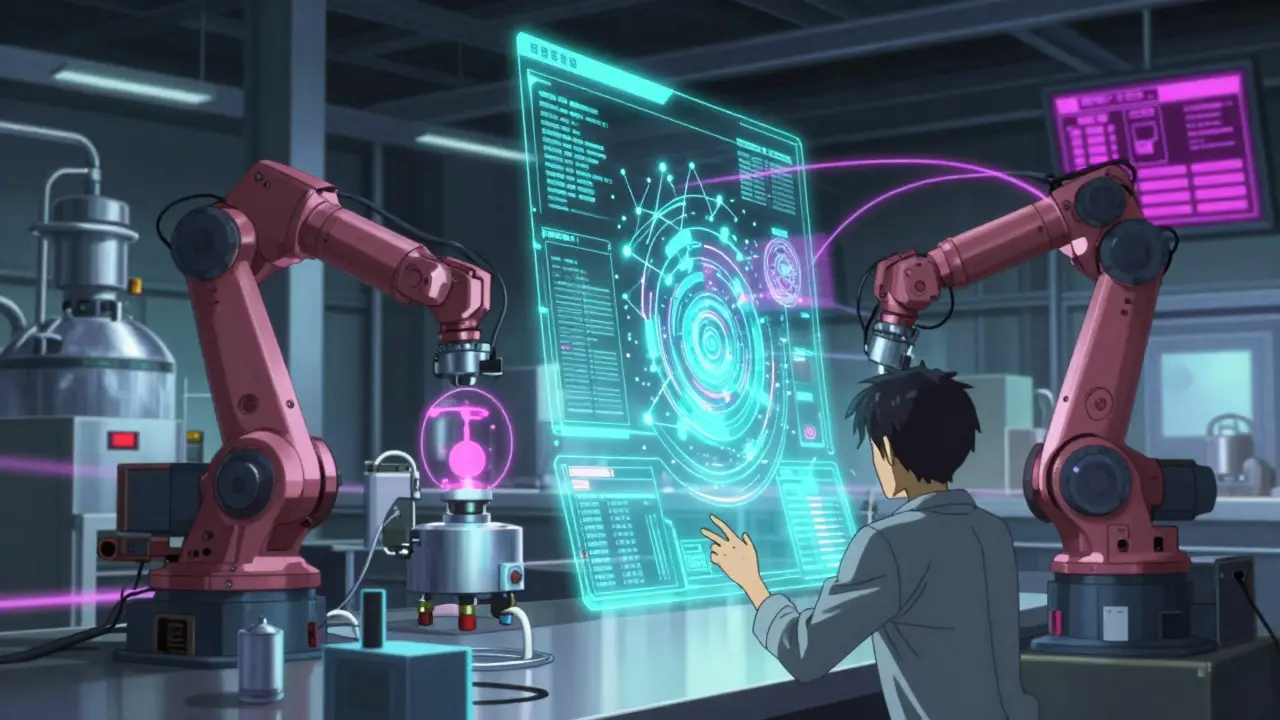
Historically, quality halts were reactive. Something went wrong, someone noticed, and the line stopped. Today, technology is shifting this model toward prediction. Artificial Intelligence (AI) and Internet of Things (IoT) sensors are now monitoring production lines in real-time. These systems can detect subtle anomalies-like a slight temperature fluctuation or a vibration pattern-that precede a failure.
At BMW’s Spartanburg facility, AI-driven quality prediction reduced unnecessary halts by nearly half. In pharma, similar tools are emerging. Digital twins-virtual replicas of physical production lines-allow engineers to simulate quality scenarios before they happen. By 2025, industry analysts predict that three-quarters of manufacturers will use autonomous quality decision systems. These systems don’t just alert humans; they can automatically adjust parameters to prevent a halt altogether, or initiate a controlled shutdown before a defect occurs.
However, automation isn’t a silver bullet. A 2023 study by MIT warned that over-reliance on automated halts can sometimes increase minor defects if human judgment is removed from the loop. The best approach combines AI’s speed with human expertise, ensuring that stops are both timely and contextually appropriate.
What Happens When Your Drug Supply Runs Out?
If you are a healthcare provider, pharmacist, or patient, a production halt translates to a shortage. Here is how to navigate it:
- Check Therapeutic Alternatives: Most drugs have generic equivalents or therapeutic substitutes. Consult with a physician to see if another medication in the same class can bridge the gap.
- Monitor Official Lists: The FDA maintains a public list of drug shortages. Check this regularly for updates on resolution timelines. Don’t rely solely on distributor emails, which may lag behind official data.
- Communicate Early: If you anticipate a shortage, inform your patients early. Explain that the delay is due to quality assurance, not negligence. Transparency builds trust.
- Avoid Hoarding: Buying extra stock during a shortage worsens the problem for others. Work with your pharmacy network to allocate supplies fairly based on medical need.
Shortages are frustrating, but they are often temporary. Most quality-related halts are resolved within 24 to 48 hours through root cause analysis. However, severe issues like facility-wide contamination can take weeks or months to clear. Patience and proactive planning are key.
Building a Resilient Supply Chain
For manufacturers, the goal isn’t to eliminate all halts-that’s impossible-but to minimize their frequency and duration. This requires a culture of quality where every employee feels empowered to speak up. Training is critical. Operators need 40 to 60 hours of specialized training to effectively manage quality halts, including root cause analysis techniques like the "5 Whys" or Fishbone diagrams.
Digital work instructions also play a huge role. Facilities using digital systems reduce halt resolution time by over 50% compared to those relying on paper. Clear, accessible guidelines help teams act quickly and consistently. Additionally, integrating quality management software with enterprise resource planning (ERP) systems provides visibility into inventory levels, allowing companies to buffer against unexpected stops.
Finally, collaboration across the supply chain is vital. Sharing data with suppliers about quality expectations and halt protocols helps prevent upstream issues. When everyone is aligned, the entire system becomes more resilient.
How long does a typical pharmaceutical production halt last?
The average quality-related halt in pharmaceutical manufacturing lasts approximately 4.7 hours. This is significantly longer than in discrete manufacturing (2.3 hours) due to the need for thorough documentation, cleaning validation, and regulatory compliance checks before production can resume.
Why do drug shortages happen if companies have quality control?
Quality control is designed to catch problems, which sometimes requires stopping production. If a batch fails testing, it cannot be sold. If the manufacturer has low inventory buffers, this sudden loss of product leads to a shortage. Shortages are often a side effect of rigorous safety standards rather than poor management.
Can AI prevent production halts in drug manufacturing?
Yes, AI can predict potential quality issues before they cause a halt. By analyzing real-time sensor data, AI systems can identify trends that indicate equipment wear or process drift. Companies using these predictive tools have reported reducing unnecessary halts by up to 47%, though human oversight remains essential for critical decisions.
What is "stop-work authority" in pharmaceuticals?
Stop-work authority is a policy that empowers any employee, regardless of rank, to halt production if they identify a quality or safety risk. This practice is adopted by 89% of Fortune 500 manufacturers to ensure that no defective product moves forward, prioritizing patient safety over production targets.
How do I find out if my medication is currently in short supply?
You can check the FDA’s Drug Shortages database online for the most current information. Additionally, your local pharmacy or healthcare provider should be able to inform you if they are experiencing difficulties sourcing specific medications due to production halts or supply chain issues.