Ephedrine and MAO Inhibitors: Why This Mix Causes a Hypertensive Crisis

MAOI Interaction Risk Calculator
Risk Meter
--
--
Imagine taking a simple over-the-counter cold pill to clear your sinuses, only to have your blood pressure skyrocket to dangerous levels within minutes. For people taking certain antidepressants known as monoamine oxidase inhibitors (or MAOIs), this isn't just a scary hypothetical-it is a documented medical emergency. The combination of ephedrine, a common stimulant found in decongestants and weight-loss supplements, and MAOIs creates a perfect storm for a hypertensive crisis.
This interaction is one of the most severe and well-documented risks in pharmacology. It doesn't require large doses to trigger; even a single small amount of ephedrine can lead to stroke, heart attack, or death if you are currently on an MAOI or recently stopped taking one. Understanding why this happens, what drugs are involved, and how to stay safe is critical for anyone prescribed these powerful medications.
The Mechanism: Why Your Blood Pressure Spikes
To understand the danger, we need to look at how these two substances affect your body’s chemistry. Monoamine oxidase is an enzyme that acts like a cleanup crew in your brain and gut. Its job is to break down neurotransmitters like norepinephrine, serotonin, and dopamine after they’ve done their work. When you take an MAOI, you are essentially blocking this cleanup crew. The goal is therapeutic-keeping more norepinephrine and serotonin available to help treat depression-but it leaves your system vulnerable to sudden surges of these chemicals.
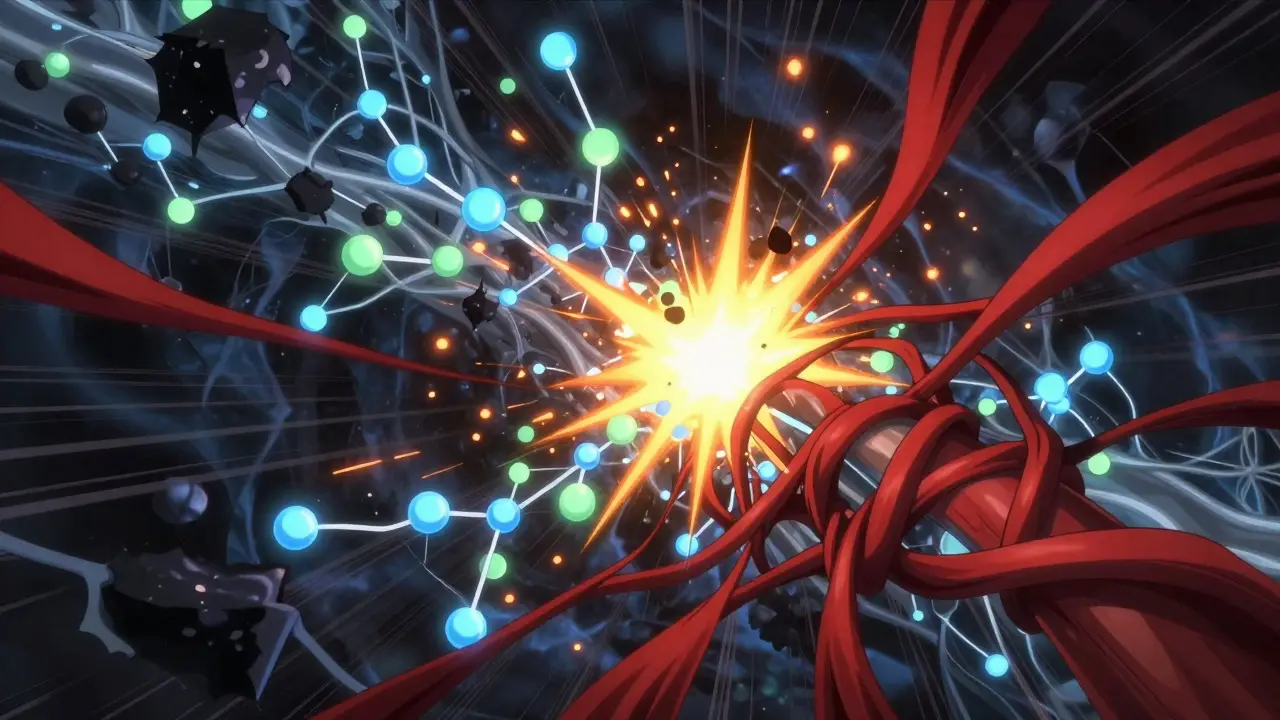
Ephedrine is a sympathomimetic amine. In plain English, it mimics the action of adrenaline. It stimulates the release of norepinephrine from nerve endings and prevents it from being reabsorbed. Normally, monoamine oxidase would step in to regulate this surge. But with an MAOI in place, that regulation is gone. The result? A massive accumulation of catecholamines (stress hormones) flooding your bloodstream.
This chemical overload causes your blood vessels to constrict violently. Systolic blood pressure can exceed 200 mmHg within 30 to 120 minutes of ingestion. At these levels, the force of blood flow can rupture delicate blood vessels in the brain, leading to subarachnoid hemorrhage, or strain the heart muscle, causing acute cardiac damage. The synergy between the blocked breakdown pathway and the stimulated release pathway is what makes this interaction so lethal.
Which Drugs Are Involved?
Not all antidepressants carry this risk. SSRIs (like Prozac) and SNRIs (like Effexor) do not inhibit monoamine oxidase in this way. The risk is specific to MAOIs. These include both older, irreversible inhibitors and newer formulations.
| Drug Name | Brand Name | Type | Risk Duration After Stopping |
|---|---|---|---|
| Phenelzine sulfate | Nardil | Irreversible | 2-3 weeks |
| Tranylcypromine sulfate | Parnate | Irreversible | 2-3 weeks |
| Isocarboxazid | Marplan | Irreversible | 2-3 weeks |
| Selegiline | Emsam (patch) | Selective/Low Dose | Variable (lower risk at 6mg/24hr) |
| Moclobemide | Aurorix (not FDA approved in US) | Reversible | 24-48 hours |
Irreversible MAOIs like Nardil and Parnate bind permanently to the enzyme. Your body has to manufacture new enzymes to regain function, which takes about two to three weeks. This means the danger persists long after your last dose. Reversible inhibitors like moclobemide block the enzyme temporarily, offering a shorter window of risk, but caution is still required.
On the other side of the equation, ephedrine is often hidden in plain sight. It appears in many over-the-counter (OTC) products:
- Cold and flu remedies (especially those labeled "severe congestion")
- Allergy medications
- Weight loss supplements
- Energy drinks and pre-workout powders
- Some asthma inhalers (though less common now)
Even related compounds like pseudoephedrine and phenylephrine carry similar risks and should be avoided entirely while on an MAOI.
Symptoms of a Hypertensive Crisis
If you accidentally combine these substances, time is critical. The onset is rapid, often occurring within 30 minutes. You cannot wait to see if symptoms pass. Watch for these warning signs:
- Severe Headache: Often described as "explosive" or starting at the back of the head (occipital) and radiating forward.
- Neck Stiffness: A classic sign of increased intracranial pressure.
- Visual Changes: Blurred vision, seeing spots, or vision going white.
- Cardiac Symptoms: Palpitations, racing heart (tachycardia), or chest pain.
- Physical Distress: Heavy sweating (diaphoresis), nausea, vomiting, and dilated pupils.
- Anxiety: An overwhelming sense of doom or panic.
In clinical case reports, patients have described feeling like their head was about to explode. One 2018 case report detailed a patient whose systolic blood pressure hit 240 mmHg after taking just 25 mg of ephedrine while on phenelzine. This level of pressure is incompatible with life without immediate intervention.
Safety Protocols and Washout Periods
The medical consensus is clear: this combination is absolutely contraindicated. There is no "safe" dose of ephedrine when taking an irreversible MAOI. Estimates suggest that as little as 12.5 to 25 mg of ephedrine can trigger a crisis-a dose lower than many standard OTC cold pills.
If you are switching off an MAOI, you must observe a strict washout period before taking any sympathomimetics like ephedrine. For irreversible MAOIs (Nardil, Parnate, Marplan), this period is 14 days. For reversible inhibitors like moclobemide, it is typically 24 to 48 hours. During this time, your body is regenerating the monoamine oxidase enzyme needed to process these stimulants safely.
Conversely, if you are stopping ephedrine use before starting an MAOI, ensure it is completely out of your system, though the primary risk window is defined by the MAOI's presence in the body.
What To Do in an Emergency
If you suspect you have taken ephedrine while on an MAOI and experience symptoms, call emergency services immediately. Do not drive yourself to the hospital. Inform the paramedics and doctors that you are taking an MAOI and have ingested a sympathomimetic agent.
Treatment in the emergency room focuses on rapidly lowering blood pressure without causing a sudden drop that could cut off blood flow to the brain. Intravenous phentolamine is often the drug of choice because it blocks the alpha-adrenergic receptors that cause vasoconstriction. Sublingual nifedipine is generally avoided due to the risk of precipitous blood pressure drops.
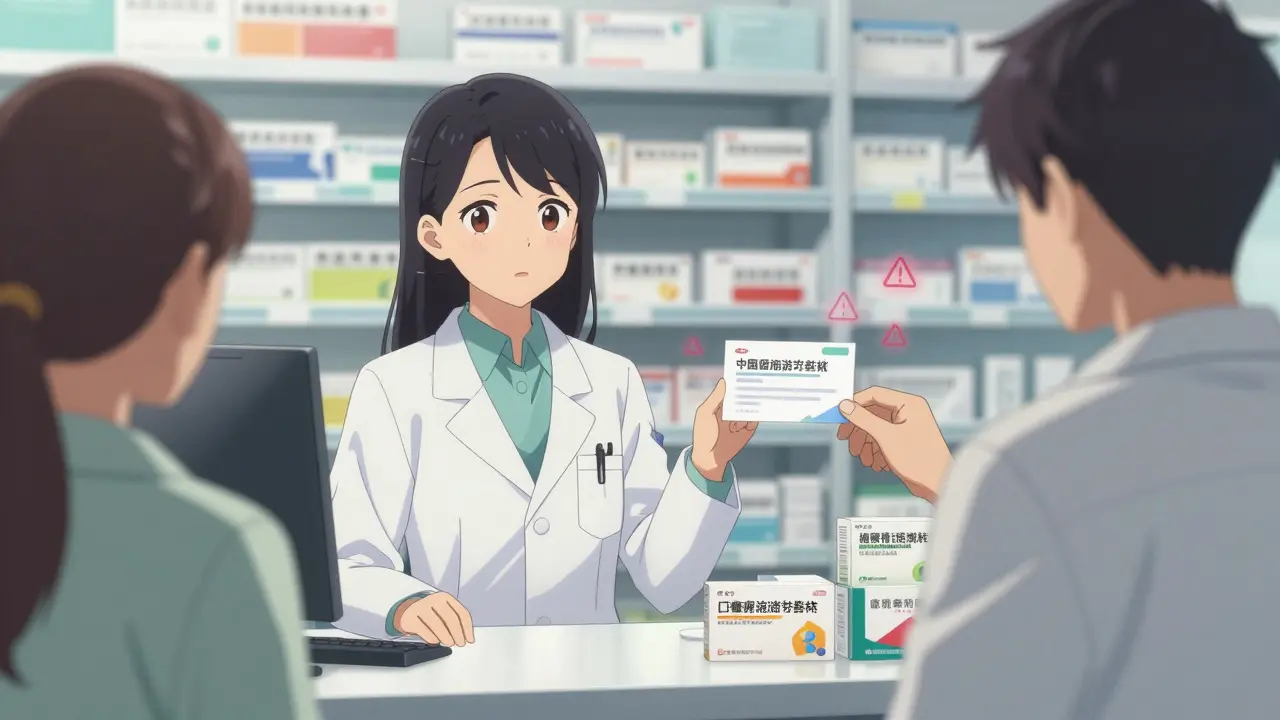
Prevention is far superior to treatment. Experts recommend carrying an MAOI alert card at all times. Studies show that patients who carry these cards are significantly less likely to receive contraindicated medications from non-psychiatric providers, such as dentists or urgent care physicians, who may not check for psychiatric drug interactions.
The Future of MAOI Safety
Despite these risks, MAOIs remain vital tools in psychiatry. They are often the only effective option for treatment-resistant depression or atypical depression. While they represent less than 1% of antidepressant prescriptions in the United States, they help hundreds of thousands of people who have failed other treatments.
Newer developments aim to reduce this risk. Selegiline patches (Emsam) offer a safer profile at lower doses by selectively inhibiting MAO-B rather than MAO-A. Additionally, recent research into reversible MAOIs like befloxatone suggests future options with shorter half-lives and lower interaction risks might become available. However, until then, the rule remains simple: never mix ephedrine with MAOIs.
How long does ephedrine stay in your system?
Ephedrine has a relatively short half-life of about 6 hours, meaning it is mostly cleared from your blood within 24 hours. However, the risk of interaction depends primarily on whether you are currently taking an MAOI, not just the presence of ephedrine. If you are on an MAOI, even trace amounts of ephedrine can trigger a crisis because the enzyme needed to metabolize it is blocked.
Can I take Sudafed (pseudoephedrine) with MAOIs?
No. Pseudoephedrine is chemically similar to ephedrine and acts as a sympathomimetic amine. It carries the same risk of triggering a hypertensive crisis when combined with MAOIs. You should avoid all decongestants containing pseudoephedrine, phenylephrine, or ephedrine while taking these antidepressants.
What is the difference between a hypertensive urgency and emergency?
Both involve severely high blood pressure (systolic >180 mmHg). A hypertensive urgency occurs without acute organ damage. A hypertensive emergency involves acute damage to organs such as the brain (stroke, hemorrhage), heart (heart attack), or kidneys. The ephedrine-MAOI interaction often leads to an emergency due to the rapidity and severity of the spike.
Are there any safe alternatives to ephedrine for colds?
Yes. You can use antihistamines (like chlorpheniramine) or expectorants (like guaifenesin) that do not contain sympathomimetic amines. Always read the "Active Ingredients" label carefully and look for warnings against use with MAOIs. Saline nasal sprays are also a safe, non-drug option for congestion relief.
Does diet play a role in this interaction?
Yes, but differently. The famous "cheese effect" involves tyramine, not ephedrine. Tyramine-rich foods (aged cheeses, cured meats, fermented products) can also cause hypertensive crises with MAOIs. While ephedrine is a direct stimulant, tyramine displaces norepinephrine from storage vesicles. Both pathways lead to dangerous blood pressure spikes, so dietary restrictions are also crucial for MAOI users.

Christopher Laver
May 23, 2026 AT 20:06Too long. Didn't read. Just don't mix stuff and you'll be fine.
Russell Russell
May 23, 2026 AT 23:53It is truly fascinating how the human body functions as a complex chemical ecosystem, isn't it? We often underestimate the intricate dance of neurotransmitters that govern our daily well-being. When we introduce external agents like ephedrine into this delicate balance, especially while on MAOIs, we disrupt a system that has evolved over millennia to maintain homeostasis. I encourage everyone here to take a moment to reflect on the profound responsibility we hold for our own physiological health. Knowledge is power, and understanding these mechanisms empowers us to make safer choices every single day. Let us support one another in spreading awareness about these critical interactions. Your health is your most valuable asset, so please treat it with the respect it deserves.
Naresh Chandra
May 24, 2026 AT 08:54This is very important information!!! I have seen many people suffer because they did not know about this!!! Please share this with your friends!!! It can save lives!!! The enzyme breakdown process is crucial!!! Do not ignore the warnings!!!
Cyburg Adeoye
May 25, 2026 AT 11:55I am absolutely thrilled to see such detailed pharmacological analysis being shared publicly!!! It is imperative that we understand the synergistic hypertensive crisis potential when combining sympathomimetic amines with monoamine oxidase inhibitors!!! The vasoconstrictive effects are no joke!!! We must remain vigilant regarding OTC decongestants!!! Everyone should carry their interaction cards!!! This knowledge dissemination is vital for community health optimization!!! Keep up the great work in educating the masses!!!
Joseph Teichman
May 26, 2026 AT 09:33u need to check labels carefully. dont take sudafed if u on nardil. simple as that. stay safe out there.
Angela Niculescu
May 28, 2026 AT 06:18Everyone acts like MAOIs are poison but they saved my life when SSRIs failed me completely. The risk is blown out of proportion by people who don't understand treatment-resistant depression. I've been on Nardil for three years without incident because I actually read the label instead of just popping whatever pill the pharmacist hands me. Maybe the problem isn't the drug but the lack of patient education. Stop fear-mongering and start teaching people how to manage their medication responsibly. Some of us are willing to take calculated risks for mental stability.
Victoria Mangiapane
May 29, 2026 AT 16:41Oh wow, another article telling us what we already know. Shocking! I mean, really, who hasn't had a stroke from a cold pill? Just kidding, but seriously, this is basic info. Why are we even discussing this? It's not like anyone reads these things anyway. Boring.
Nivetha Narayanan
May 30, 2026 AT 17:44hey guys just wanted to say thx for sharing this!! i always forget to check the ingredients in my preworkout powders lol. good thing i saw this before my next gym session!! lets keep eachother safe ok?? vibes only!!
Frank Arlyss
May 30, 2026 AT 23:21My wife takes these pills and I keep checking her medicine cabinet constantly. She thinks I'm crazy but I found a bottle of Sudafed hidden in her purse last week. I threw it away immediately. She yelled at me for hours. But I know what's best for her. I monitor everything she eats now too. It's for her own good. She doesn't understand how dangerous the world is for someone on these meds. I have to protect her from herself.
Tim Reynolds
June 1, 2026 AT 09:00The FDA knows exactly what they are doing!!! They want us dependent on these drugs!!! The interaction data is manipulated to keep us scared!!! Wake up!!! They profit from our confusion!!! Don't trust the mainstream medical advice!!! It is all a conspiracy to control our minds!!!