Hand and Foot Swelling from Medications: When to Contact Your Doctor
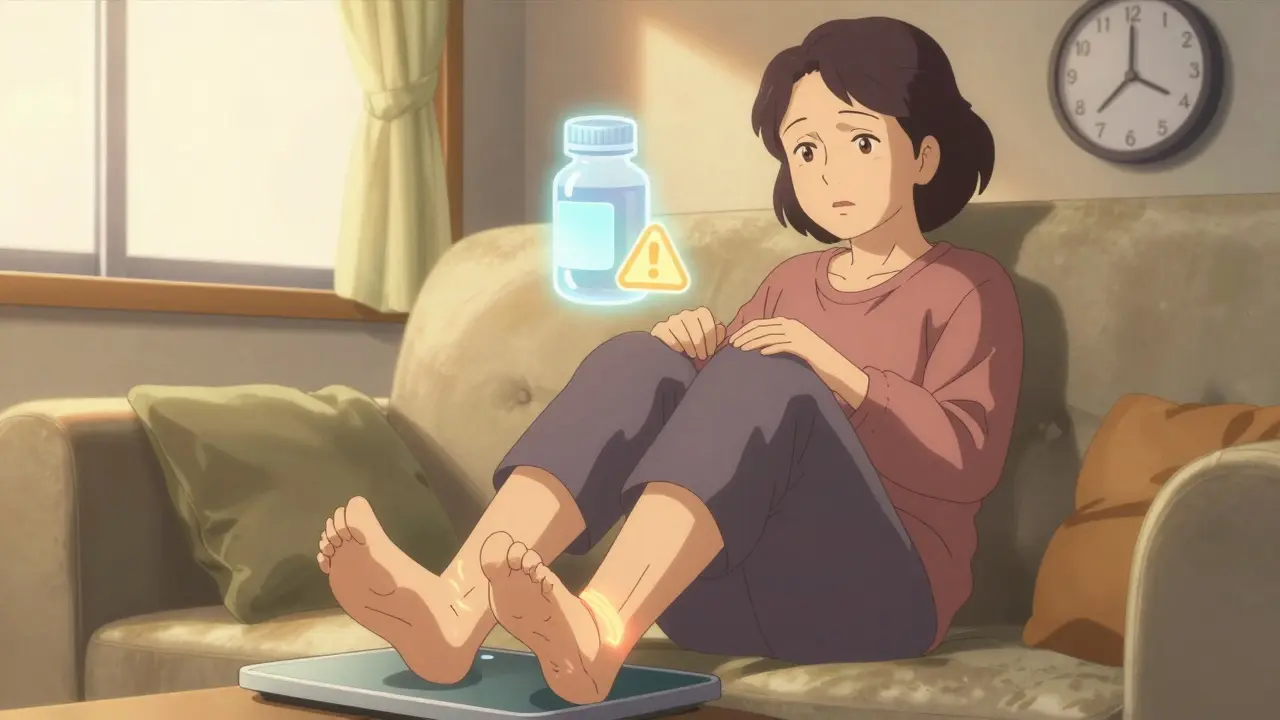
Swelling in your hands or feet might seem like a minor annoyance - maybe your shoes feel tighter, or your fingers look puffy after a long day. But when it comes from a medication you’re taking, it could be a sign something more serious is happening inside your body. Medication-induced swelling isn’t just a nuisance. It’s a common side effect that can signal fluid overload, nerve damage, or even heart or kidney problems. And knowing when to act can prevent hospital visits or permanent damage.
Why Your Hands and Feet Swell from Medications
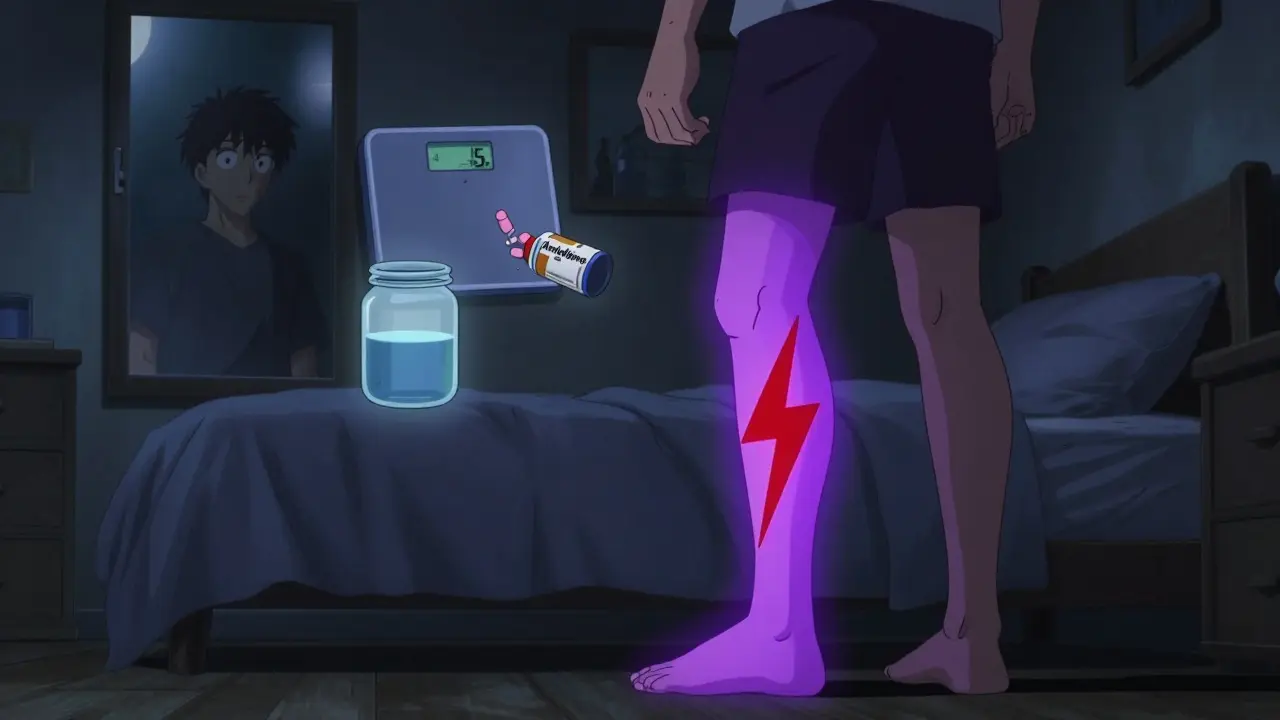
Not all swelling is the same. Two main types show up when drugs mess with your body’s fluid balance or nerves:- Vasodilator-induced edema - This happens when medications like calcium channel blockers (amlodipine, nifedipine), nitrates, or gabapentin widen your blood vessels. The pressure inside those vessels rises, pushing fluid into your tissues. It usually hits your ankles and feet first, gets worse by evening, and improves when you lie down overnight.
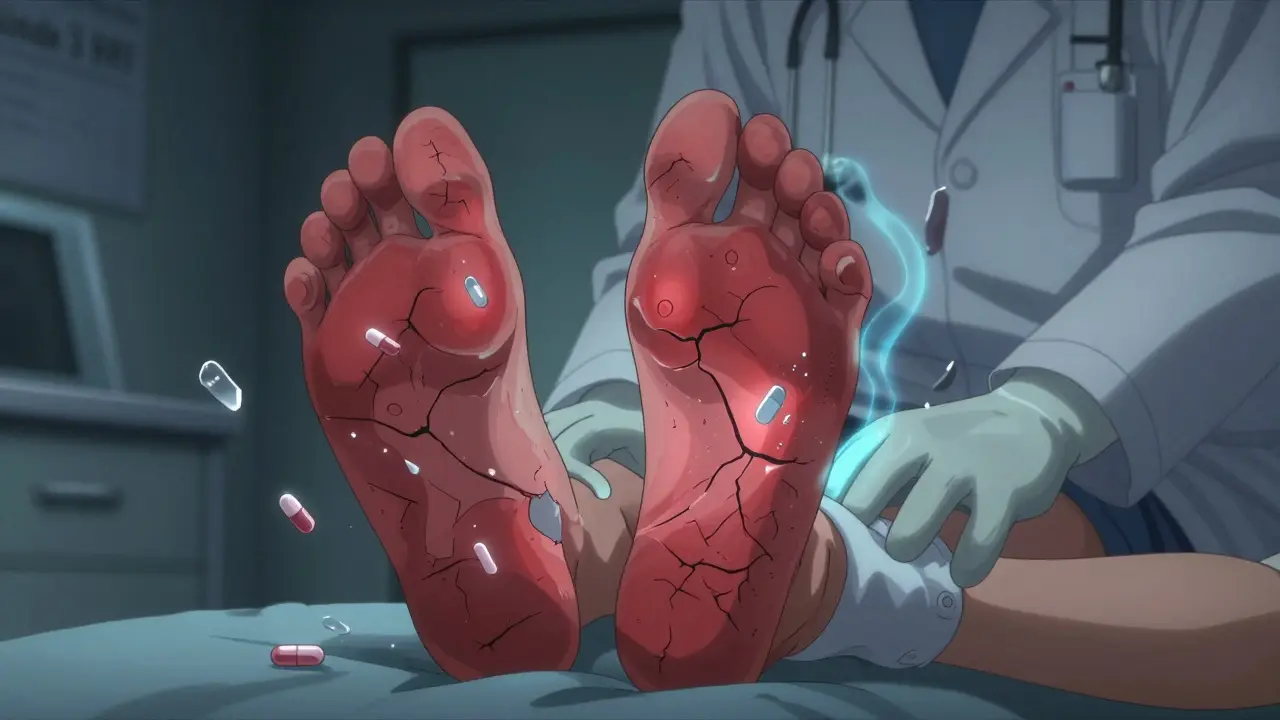
- Hand-foot syndrome (HFS) - Also called palmar-plantar erythrodysesthesia, this one affects the palms and soles. It’s most common with chemo drugs like capecitabine. You’ll feel tingling, burning, redness, then swelling - sometimes followed by peeling skin or blisters. It’s not just about appearance; it can make holding a toothbrush or turning a doorknob painful.
- Sodium-retentive edema - NSAIDs (ibuprofen, naproxen), corticosteroids, and some diabetes meds (pioglitazone) cause your kidneys to hold onto salt and water. This leads to generalized swelling, often in the lower legs, but sometimes in hands too.
Here’s what the numbers say: Up to 15% of people taking amlodipine (a common blood pressure pill) develop ankle swelling. For patients on capecitabine, HFS shows up in over half. And in long-term NSAID users, about 1-3% get noticeable fluid buildup.
Red Flags: When Swelling Isn’t Just a Side Effect
Most swelling from meds is manageable. But some signs mean you need to call your doctor today, not tomorrow:- Unilateral swelling - Only one leg or hand is swollen? That’s a red flag for deep vein thrombosis (DVT). Left untreated, it can lead to a life-threatening pulmonary embolism.
- Shortness of breath or chest pain - If swelling comes with trouble breathing or chest tightness, your heart might be struggling. This could mean heart failure, especially if you’re on a calcium channel blocker.
- Rapid weight gain - Gaining more than 2 pounds in 24 hours or 5 pounds in a week? That’s fluid piling up fast. It’s a classic sign of fluid overload.
- Skin changes - Blisters, open sores, darkening skin, or warmth in the swollen area? These aren’t normal. They suggest tissue damage or infection.
- Reduced urine output - If you’re peeing less than 500 mL (about 2 cups) in 24 hours, your kidneys may be failing to clear fluid.
According to the American Heart Association, these symptoms account for 25-30% of patients stopping their blood pressure meds - not because they’re noncompliant, but because the swelling became unbearable or alarming.
Who’s Most at Risk?
Some people are more likely to see swelling from meds:- Older adults - Kidney function declines with age, making fluid retention more likely.
- People with heart or kidney disease - Their bodies already struggle to manage fluid. Adding meds that affect this balance makes things worse.
- Those on multiple medications - Drug interactions can amplify side effects. For example, taking an NSAID with a blood pressure pill can double the risk of edema.
- Chemotherapy patients - HFS isn’t rare - it’s expected. But severity varies. Capecitabine, fluorouracil, and paclitaxel are the top culprits.
One study found that 55% of patients with medication-induced swelling waited to call their doctor because they thought it was “just normal.” That delay led to preventable complications in nearly one in five cases.
What Doctors Do When You Report Swelling
Your doctor won’t just say “stop the pill.” They’ll assess the cause first:- For calcium channel blocker swelling - They may lower the dose (switching from 10mg to 5mg amlodipine cuts swelling risk by more than half). Or they might add a low-dose ACE inhibitor like lisinopril - which helps reduce fluid pressure and resolves swelling in 60-70% of cases.
- For HFS from chemo - Dose reduction is the first step. If symptoms are moderate to severe (Grade 2 or 3), treatment pauses until skin heals. Compression, moisturizers, and avoiding heat are standard. Vitamin B6? Studies show it doesn’t reliably help.
- For NSAID or steroid swelling - Switching to a different pain reliever (like acetaminophen) or reducing steroid dose often fixes it. Diuretics are rarely used unless there’s clear fluid overload.
Compression stockings (20-30 mmHg pressure) help reduce swelling in 40% of patients within weeks. Elevating your legs above heart level for 30 minutes, three times a day, can drop swelling volume by 15% in just two days.
What You Can Do Right Now
While waiting to talk to your doctor, here’s what helps:- Elevate your legs - Prop them on pillows while sitting or lying down. Do this for 30 minutes, three times daily.
- Reduce salt - Aim for under 2,300 mg of sodium per day. Skip processed foods, canned soups, and salty snacks.
- Wear loose, supportive shoes - Shoes with 1-1.5 cm extra depth prevent pressure on swollen feet. Avoid tight socks or elastic bands.
- Move gently - Walk for 15-20 minutes daily. Movement helps fluid circulate back toward your heart.
- Don’t massage swollen areas - Especially if it’s only on one side. You could dislodge a clot.
- Track your weight - Weigh yourself every morning after using the bathroom. A sudden jump of 2+ pounds in a day is a warning sign.
What Doesn’t Work - And Why
There’s a lot of advice out there. Some of it’s misleading:- Vitamin B6 for HFS - It’s commonly recommended, but a 2022 Cochrane review of eight studies found no real benefit. Don’t waste your money.
- Topical urea cream - Some studies say it helps prevent HFS. Others say evidence is weak. It’s not a guaranteed shield.
- Arnica gel - One small study showed symptom relief, but it’s not backed by major guidelines. Save it for bruises, not drug reactions.
And here’s a hard truth: For about 45% of patients, swelling doesn’t fully go away - even after dose changes or switching meds. Sometimes, the drug is essential, and you have to live with some discomfort. That’s why early recognition matters so much.
Real Stories, Real Consequences
On patient forums, people describe life-changing impacts:- A 68-year-old man on amlodipine said his ankles swelled so badly he couldn’t fit into his shoes. He waited three weeks to call his doctor - by then, he had skin breakdown and a minor infection.
- A woman on capecitabine shared that Grade 3 HFS made her unable to hold a toothbrush. She missed two chemo cycles because she didn’t know to report it early.
- One Reddit user wrote: “I thought the sock marks were just from sitting too long. Turns out, my kidneys were already struggling.”
On the flip side, switching from amlodipine to losartan led to complete resolution of swelling in under five days for another user - all while keeping blood pressure in check.
When to Call Your Doctor
Here’s your simple action plan:- Call within 24 hours if swelling is sudden, one-sided, or paired with shortness of breath, chest pain, or rapid weight gain.
- Call within 72 hours if you’ve started a new medication and swelling appeared in your hands or feet.
- Call immediately if you see blisters, open sores, fever, or skin turning purple/black.
- Call within a week if swelling is mild but persistent - don’t wait until it’s unbearable.
Remember: Only 58% of adults recognize medication-induced swelling as a serious issue. Don’t be one of them. Your body is trying to tell you something. Listen.
Can over-the-counter diuretics help with medication-induced swelling?
No. Taking OTC diuretics like caffeine pills or herbal supplements without medical supervision can be dangerous. They may worsen kidney function or cause electrolyte imbalances. Swelling from meds often needs targeted treatment - not just fluid removal. Always talk to your doctor before using any diuretic.
Does swelling always mean I need to stop my medication?
Not always. Many cases can be managed with dose adjustments, lifestyle changes, or adding another medication. For example, lowering amlodipine from 10mg to 5mg often reduces swelling without losing blood pressure control. Only if swelling is severe, persistent, or dangerous will your doctor consider switching drugs.
Why does swelling get worse at the end of the day?
Gravity pulls fluid downward as you stand or sit all day. When you lie down at night, fluid redistributes, and swelling improves. This pattern - worse in the evening, better in the morning - is classic for vasodilator-induced edema. If it doesn’t improve overnight, it may signal a different problem like heart or kidney disease.
Can hand-foot syndrome be prevented during chemotherapy?
Yes, to some extent. MD Anderson recommends applying urea 10% cream twice daily to palms and soles before chemo starts. Avoiding heat (hot showers, saunas), wearing loose gloves/shoes, and minimizing friction helps. But prevention isn’t foolproof - about half of patients on high-risk drugs still develop symptoms. Early reporting is key to managing severity.
Is swelling from medication permanent?
In most cases, no. About 89% of cases resolve within four weeks of proper intervention - whether that’s stopping the drug, lowering the dose, or changing how you manage fluid. But in about 11% of cases, especially if ignored for too long, swelling can lead to chronic lymphedema, which requires long-term care like compression therapy and specialized massage.
Andrew Poulin
March 6, 2026 AT 14:55PS: No B6 crap. Waste of cash.
Weston Potgieter
March 8, 2026 AT 05:17Also why is everyone still using NSAIDs? Acetaminophen exists. It’s not rocket science.
Vikas Verma
March 9, 2026 AT 15:21Recommend: Daily leg elevation, sodium tracking, and mandatory patient education at dispensing. Simple. Effective. Underutilized.
Sean Callahan
March 10, 2026 AT 01:34phyllis bourassa
March 11, 2026 AT 18:19Ferdinand Aton
March 13, 2026 AT 10:51William Minks
March 14, 2026 AT 23:11My grandma had swelling from steroids and we thought it was ‘just old age.’ Turns out she was in early heart failure. We caught it because of this exact info. Thank you for writing this. Sharing with my whole family. 💙
Jeff Mirisola
March 15, 2026 AT 00:12Susan Purney Mark
March 15, 2026 AT 09:48💛