Inactive ingredient differences: why your generic may feel different

Have you ever switched to a generic version of your medication and felt something was off? Maybe you had a stomach ache you didn’t get before, or the headache relief just wasn’t as strong. You’re not imagining it. While the active medicine stays the same, the invisible stuff holding the pill together can change how your body handles it.
This isn’t about whether generic drugs work-they definitely do. It’s about the inactive ingredients, also known as excipients. These components make up the physical structure of your pill, ensuring it gets from the pharmacy to your bloodstream intact. When manufacturers change these fillers or coatings, some sensitive bodies notice the difference immediately.
The Hidden Team Inside Your Pill
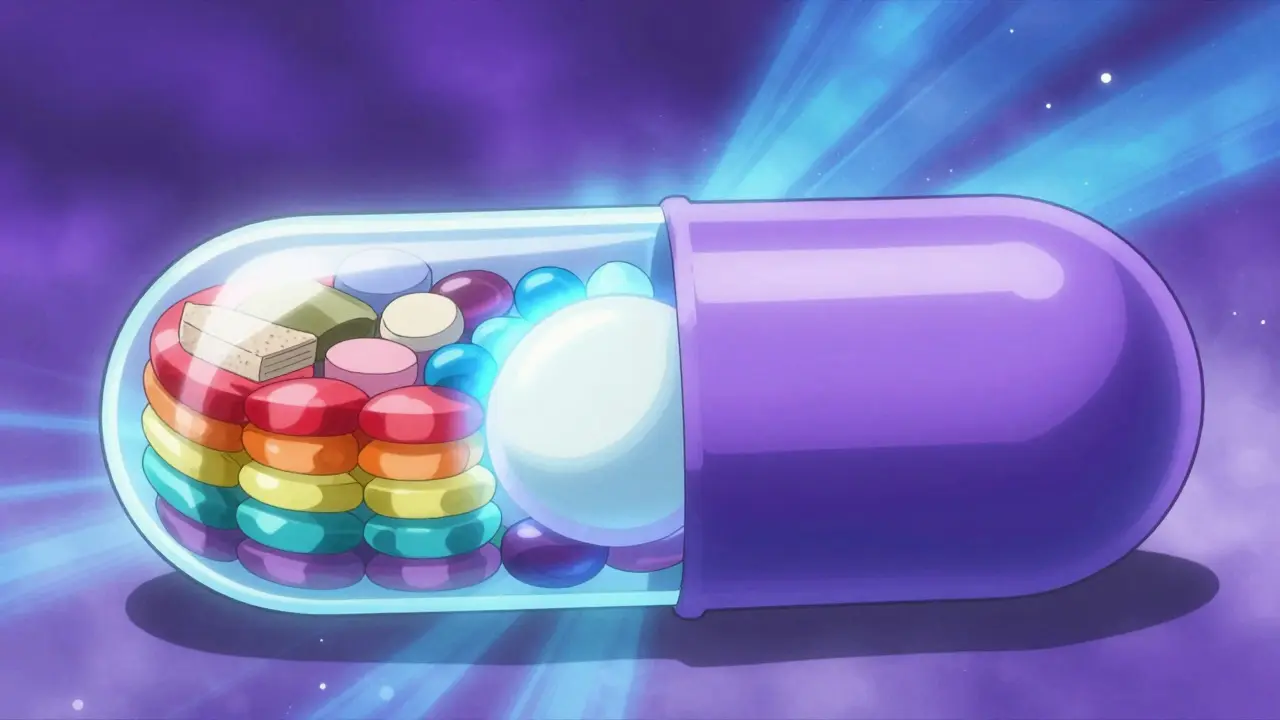
Most people think a pill is just the active drug compressed into a tiny circle. But it’s actually a complex recipe. Excipients are substances added to pharmaceutical products other than the active moiety itself. They have no biological function in the disease process but enable the delivery and stability of the drug substance. Think of them as the scaffolding that supports the active ingredient so it reaches the right place at the right time.
Here is what those “inactive” labels usually hide:
- Fillers: Provide bulk. If a dose of a potent drug weighs less than a grain of sand, it needs a filler to become swallowable. Common ones include lactose (milk sugar) and starch.
- Binders: Stick the powder together so the tablet doesn’t crumble in the bottle. Ingredients like povidone do this heavy lifting.
- Disintegrants: Help the pill break apart in your stomach water. Without these, the active drug wouldn’t release properly.
- Dyes and Coatings: Give the pill color and help mask bad tastes or protect the drug from stomach acid.
When you switch brands, the manufacturer often changes one of these components. A lactose-free version might use cornstarch instead. This swap is allowed because regulations focus heavily on the active molecule, assuming the rest is irrelevant to safety.
Why Manufacturers Change Recipes
You might wonder why two generic companies making the exact same drug would use different recipes. The primary reason is proprietary manufacturing processes. Manufacturer A might own a specific technology for coating pills that dissolves faster, while Manufacturer B uses a cheaper method. Both meet safety standards, but the path to dissolution varies slightly.
Regulatory agencies allow this flexibility to keep prices low. If every generic had to match the brand-name formula exactly, patent protection would extend forever, and costs would skyrocket. Instead, the FDA and Health Canada enforce Bioequivalence means that the test generic drug performs identically to the reference listed drug (brand-name) in terms of rate and extent of absorption. This standard ensures that the drug enters the blood within 80% to 125% of the original rate, which covers 95% of patient variability.
| Ingredient | Function | Potential Sensitive Groups |
|---|---|---|
| Lactose | Filler/Binder | Dairy intolerance (~36% of adults) |
| Gluten | Coating/Stabilizer | Celiac disease patients |
| Titanium Dioxide | White pigment | Gastrointestinal concerns |
| Sulfites | Preservative | Asthmatics (3-10%) |
| Aspartame | Sweetener (Chewables) | PKU (Phenylketonuria) |
When Differences Actually Matter
For the vast majority of us, a switch causes zero issues. Statistics show that roughly 9 out of 10 switches go unnoticed by the patient. However, there is a subset of users where the "inactive" stuff becomes very active in their biology.
The most common trigger is undiagnosed sensitivity. If you are lactose intolerant and haven’t realized it, a switch from a starch-filled brand pill to a lactose-filled generic might cause bloating or gas. Since the pill sits in your gut, your digestive system is reacting to the wrapper, not the cure. Another frequent culprit is dye sensitivity. Artificial colors like Red 40 or Tartrazine can trigger mild headaches or skin reactions in susceptible people.
Then there are the high-stakes medications, technically called Narrow therapeutic index drugs are medications where the difference between a safe dose and a toxic dose is very small. Small changes in absorption can lead to treatment failure or toxicity. Drugs like levothyroxine (thyroid), warfarin (blood thinner), and digoxin (heart rhythm) fall here. Even a 10% change in absorption matters significantly when you are managing a thyroid condition. A patient stable on a brand name might see TSH levels drift out of range on a generic due to slight disintegration differences.

Navigating the Switch Safely
Don’t panic if your pharmacy changes your box. Most generics perform flawlessly. But if you are sensitive, you can take control. Start by asking for the “Drug Facts” label or the prescribing information sheet. It lists every component. Compare the new list to your previous medication if you have a record.
If you suspect a reaction, do not stop taking the medication suddenly, especially for heart or seizure conditions. Keep a symptom diary for two weeks. Note specifically when the pill was taken versus when nausea started. This concrete evidence helps your pharmacist determine if a manufacturer switch is needed.
In Halifax and across Canada, pharmacists are legally required to dispense the lowest-cost option unless specified otherwise. You can request a specific manufacturer or the brand name if you have a documented medical need. Insurance plans often cover this request if a doctor notes a "medication intolerance." It is better to ask proactively than suffer through a month of unexplained side effects.
Real-Life Data on Generic Variability
We cannot rely on anecdotes alone. Clinical data supports the existence of the problem while validating the safety of the solution. A major study published in JAMA Internal Medicine tracked thousands of switches. About 4.3% of patients reported minor side effects like dizziness or upset stomach. Only about 1% found the side effects severe enough to force a return to the brand name.
Cost is the flip side. Generic drugs save the healthcare system billions. In 2023, the average savings were over $2.2 trillion compared to brand names alone. For an individual, the saving could be hundreds of dollars a month. The goal is to balance the economic benefit with personal comfort. Knowing that the variance exists empowers you to advocate for your specific body chemistry without fearing the generic model entirely.
Can inactive ingredients cause allergic reactions?
Yes. While rare, ingredients like lactose, gluten, soy lecithin, or specific dyes can trigger allergies or sensitivities in certain patients. If you have known dietary restrictions, always check the full ingredient list on the medication packaging.
Are generic drugs tested to be exactly the same as brands?
They are tested for bioequivalence, meaning they deliver the same amount of active drug into your bloodstream at the same speed. However, inactive ingredients (fillers, binders) can differ, and the allowable variation in concentration is typically within a range of 80% to 125% of the brand name.
Which medications require sticking to one brand or manufacturer?
Medications with a narrow therapeutic index are most sensitive. These include thyroid hormones (levothyroxine), blood thinners (warfarin), anticonvulsants (phenytoin), and antiarrhythmics (digoxin). Consult your doctor before switching these.
How can I identify the specific generic manufacturer?
Look at the bottom of the blister pack or the bottle label. It must state the manufacturer’s name and lot number. You can also ask your pharmacist directly; they usually track this information in their dispensing software.
Is it safe to mix brand and generic versions of the same drug?
It is generally discouraged. Consistency is key for maintaining stable blood levels of medication. If you must switch due to insurance issues, inform your doctor so they can monitor your response closely during the transition period.


Brian Yap
March 30, 2026 AT 10:32Mate this hits home big time down here we swap brands all the time without thinking much about the wrapper :)
Charles Rogers
March 30, 2026 AT 13:38People always complain about generics without understanding the process it is foolish to ignore the regulatory standards that exist to protect consumers like you
Debbie Fradin
April 1, 2026 AT 00:47Oh please spare me the lecture on regulations when my stomach disagrees with your perfect science logic does not cure nausea
dPhanen DhrubRaaj
April 2, 2026 AT 06:45i had issues with lactose once thought it was gluten
RONALD FOWLER
April 3, 2026 AT 22:30that sounds rough mate i hope you found what worked for you in the end
Adryan Brown
April 5, 2026 AT 15:43People often forget that the pill is more than just the active ingredient inside the small coating. We spend so much time worrying about the dose rather than the delivery system itself. When I started tracking my own medication intake, I noticed subtle shifts in how I felt daily. The fillers might seem harmless but they sit in your gut for hours during digestion. Some bodies react badly to corn starch while others cannot tolerate even tiny amounts of milk sugar. It makes sense that manufacturers change recipes to keep costs down for everyone involved. However, the economic benefit should not come at the cost of individual patient stability. There is a fine line between saving money and risking a therapeutic window failure. Narrow index drugs are particularly dangerous when switching between suppliers without testing. Thyroid patients I know swear by keeping the same bottle brand to maintain consistent levels. Pharmacists have tools to flag these specific switches if you ask them directly. Insurance companies sometimes push back unless there is a documented history of intolerance. Writing a simple note from your doctor helps bypass most administrative hurdles at the counter. Communication is key because assuming everything works identically is rarely true in practice. We need to advocate for better transparency in labeling beyond the standard active ingredient list.
Dan Stoof
April 6, 2026 AT 11:11Wow!!! That is such a great detailed breakdown!!! You clearly know your stuff!!!
William Rhodes
April 8, 2026 AT 08:44We need to stop fearing these medicines right now! Science is our friend here! Push back against the stigma aggressively!
Marwood Construction
April 8, 2026 AT 18:05The statistical significance regarding the 95% variability margin mentioned earlier requires further clarification
Jonathan Alexander
April 9, 2026 AT 20:08My head explodes every time I switch.
Vikash Ranjan
April 10, 2026 AT 11:18You sound weak and overly sensitive to basic chemistry changes stop blaming the drug company for your biology