Pharmacy Errors with Generics: How to Prevent and Fix Common Mistakes
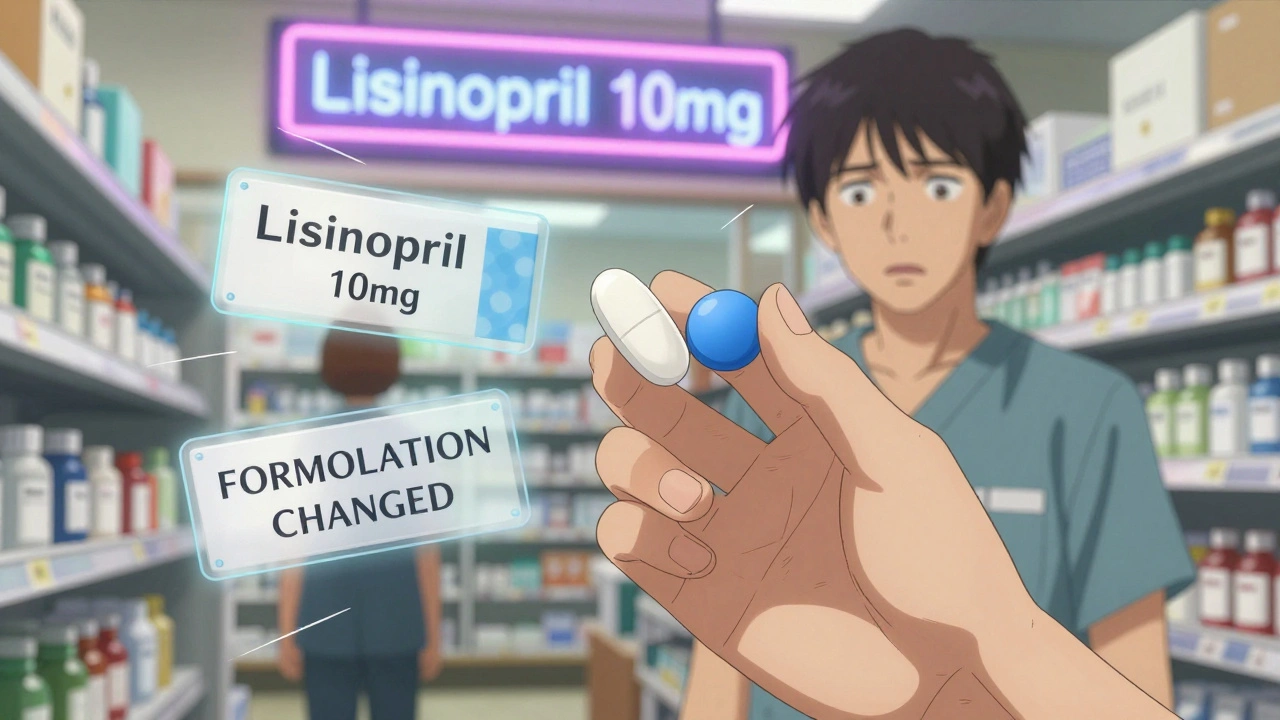
Every year, millions of people in the U.S. get the wrong dose, the wrong pill, or the wrong version of a generic drug-sometimes with serious consequences. Generic medications make up 90% of all prescriptions filled, but they’re not always as simple as they seem. A pill that looks different, has a new manufacturer, or even a slight change in inactive ingredients can confuse patients and pharmacists alike. And when errors happen, they don’t just cost money-they cost health.
Why Generic Medications Are a Hidden Risk
Generics are supposed to be identical to brand-name drugs in strength, safety, and effectiveness. But there’s a catch: they don’t have to look the same. One manufacturer’s 10mg lisinopril tablet might be white and oval, while another’s is blue and round. Same drug. Different appearance. Patients notice. And when they see a change, they often assume something’s wrong-even if it’s perfectly safe. This confusion leads to mistakes. A patient might stop taking their blood pressure pill because it looks different. Or worse, they might take two versions thinking they’re different medications. Pharmacists, under pressure in busy retail settings, might grab the wrong bottle from a shelf full of similar-looking generics. Even small errors like mixing up lamotrigine and levetiracetam-two drugs that sound alike-can cause seizures or hospitalization. Studies show that nearly half of all prescription corrections come from clinical errors, and 19.2% of those are strength mismatches. Another 14.4% are due to dispensing form issues-exactly the kind of problem generics create. When a pharmacy switches from one generic manufacturer to another without telling the patient or updating the label clearly, the risk goes up.Where Errors Happen: The Most Common Mistakes
Pharmacy errors with generics don’t just happen by accident. They follow patterns. Here are the top five mistakes seen in real-world practice:- Dosage confusion: Prescribers write “take 10mg daily,” but the generic bottle says “take 5mg twice daily.” The math adds up, but patients don’t always catch it.
- Wrong manufacturer substitution: A patient gets Brand A’s generic one month, then Brand B’s the next. No warning. No counseling. The patient feels “it’s not working” and calls the doctor.
- Look-alike, sound-alike mix-ups: Drugs like clonazepam and clonidine are often confused. One treats seizures. The other treats high blood pressure. Mix them up, and you risk serious harm.
- Outdated drug databases: Over 42% of pharmacists report that their pharmacy software still lists old formulations or inactive ingredients for generics. That means the system can’t flag a dangerous interaction.
- Missing counseling: Only 15-20% of patients get a proper first-fill counseling session. Without it, they don’t know why their pill changed color or why they’re now taking two pills instead of one.
How Technology Can Stop Errors Before They Happen
The good news? We have tools that work. But they’re not used everywhere. Computerized Physician Order Entry (CPOE) systems reduce medication errors by 55% in hospitals. Bar code scanning (BCMA) cuts adverse events by 50%. Clinical Decision Support Systems (CDSS) can flag a dangerous interaction between a generic antidepressant and a blood thinner before the pharmacist even touches the bottle. But here’s the problem: most community pharmacies don’t have these systems. Only 35-40% of retail pharmacies use bar code scanning or real-time CDSS alerts. In contrast, 68% of U.S. hospitals do. That gap is dangerous. A 2023 AHRQ case showed a patient nearly overdosed because the label said “twice daily” instead of “twice weekly.” The CDSS should have caught it. But the system didn’t recognize the generic version’s unique formulation. That’s not the software’s fault-it’s the data. If the drug database doesn’t include the exact manufacturer’s dosing instructions, the system can’t help. The solution? Pharmacies need to connect their systems to updated drug references like Drug Facts and Comparisons or Epocrates. These tools cost $150-$300 a year but can prevent a single life-threatening error. They update automatically with new generic formulations, inactive ingredients, and manufacturer changes.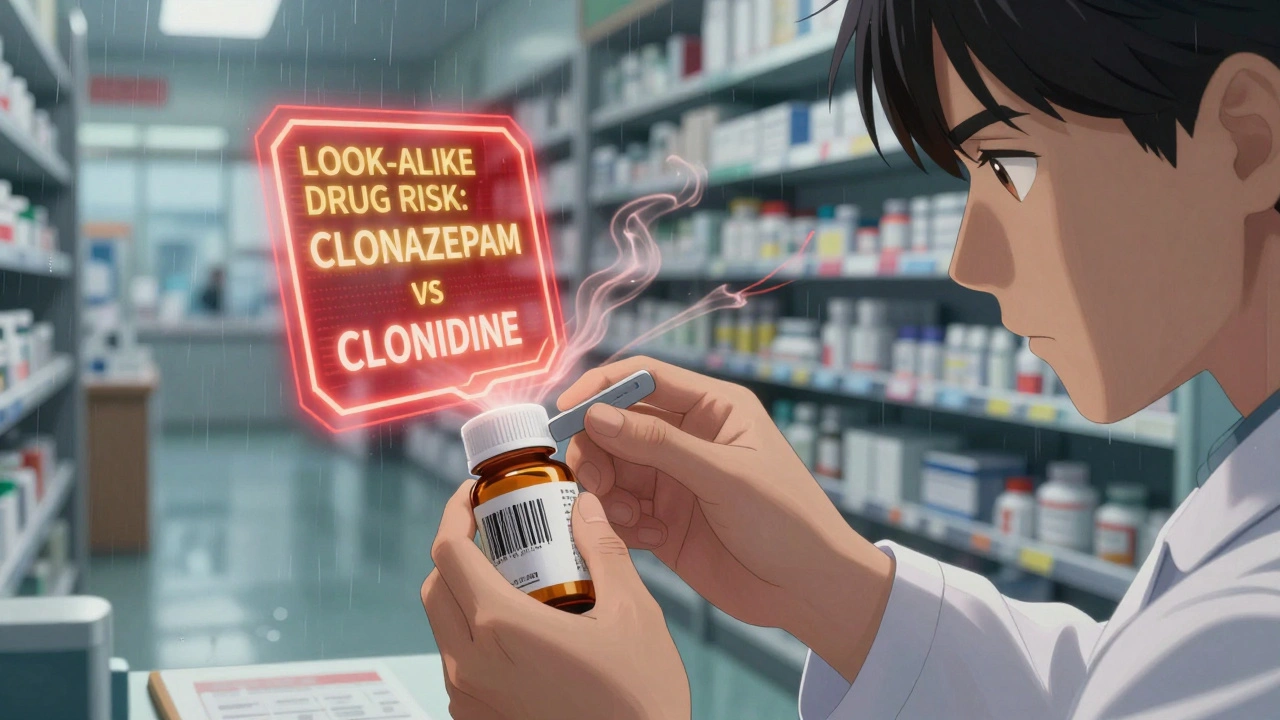
The Human Factor: Counseling and Communication
Technology helps-but it doesn’t replace the pharmacist. When a patient gets a new generic for the first time, a quick 3-5 minute conversation can catch a mistake. Pharmacists report that 12-15% of these counseling sessions uncover misunderstandings: a patient thought the new pill was stronger, or they were afraid to switch because “it’s not the same.” That’s why mandatory counseling for first-fill generics isn’t just a best practice-it’s a safety net. In states where it’s required, error rates drop noticeably. But in many places, pharmacists are rushed. They’re filling 150 prescriptions a day. There’s no time to talk. The fix? Build time into the workflow. Don’t treat counseling as an add-on. Make it part of the dispensing process. Train staff to ask: “Have you taken this before?” “Did you notice the pill looks different?” “Do you have any concerns about switching?” And don’t forget the prescribers. Doctors often don’t know which generic manufacturer their pharmacy uses. They assume all lisinopril is the same. But if a patient has a reaction to a new batch, the doctor needs to know: was it the drug? Or the filler? Was it the manufacturer’s version with a different dye or coating?What Pharmacists Can Do Today
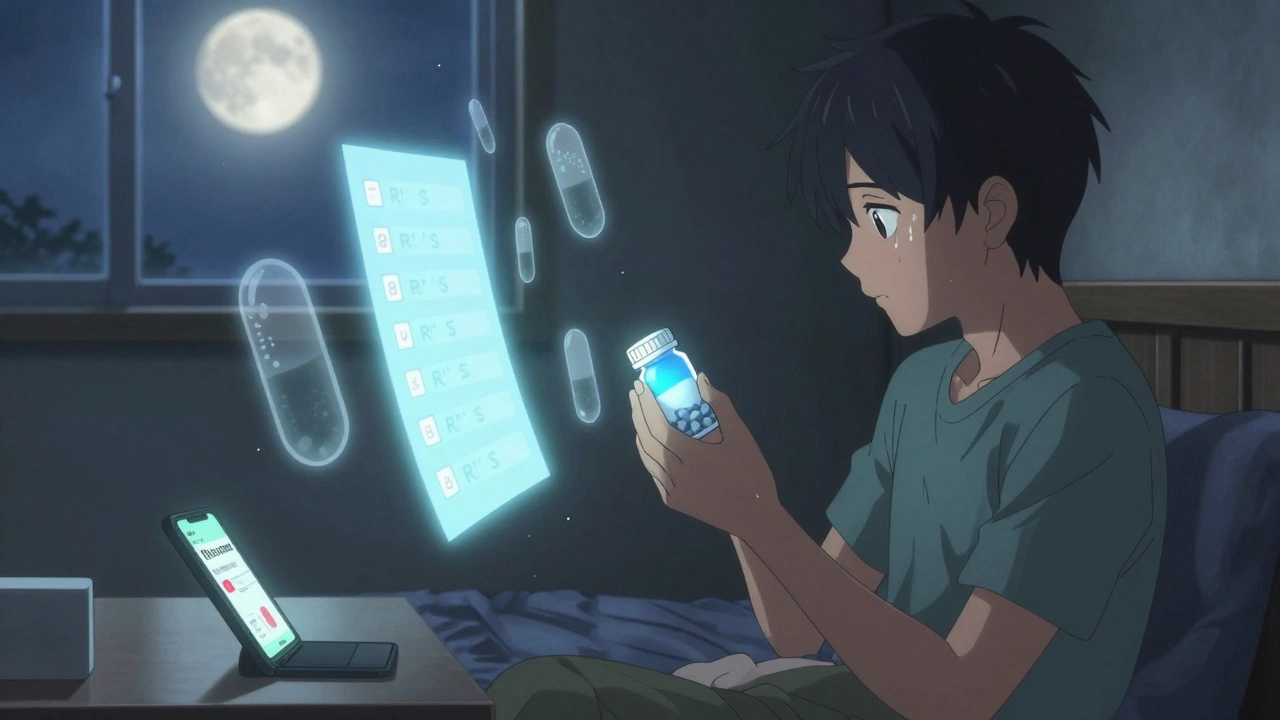
You don’t need a $75,000 system to reduce errors. Here are five immediate steps any pharmacy can take:- Use the 8 R’s every time: Right patient, right drug, right dose, right route, right time, right reason, right documentation, right response. Don’t skip any.
- Label clearly: Include the generic name, brand name (if applicable), manufacturer, and dosage form on the bottle. If the pill changed, write “FORMULATION CHANGED” on the label.
- Update your drug database: Subscribe to a reliable source. Check it monthly. If your system says “Lisinopril 10mg” without specifying manufacturer, it’s outdated.
- Train staff on look-alike/sound-alike drugs: Post a list in the dispensary. Quiz staff quarterly. Common pairs: hydroxyzine vs. hydrochlorothiazide, propranolol vs. propafenone.
- Track your own errors: Even a simple log-what happened, how it was fixed, how to prevent it next time-can cut errors by 30% in six months. Only 28% of pharmacies do this. Don’t be one of the 72% who don’t.
What’s Changing-And What’s Coming
The FDA’s 2022 GDUFA III rules now require manufacturers to notify pharmacies when they change a generic’s formulation. That’s new. And the WHO updated its 2023 guidelines to push for standardized naming to reduce look-alike/sound-alike confusion. In the future, AI-driven systems will analyze a patient’s genetic profile and predict which generic version they’re most likely to react to. Pilot programs are already showing a 22% additional reduction in errors compared to standard systems. But until then, the most powerful tool is still the pharmacist-alert, informed, and willing to speak up.What Patients Should Know
Patients aren’t to blame-but they’re often the last line of defense. Tell them:- Generics are safe and approved by the FDA.
- It’s normal for pills to look different between refills.
- If you feel different after switching, call your pharmacist-not your doctor. They can check if it’s the drug or the dose.
- Always ask: “Is this the same medicine I’ve taken before?”
Are generic medications less safe than brand-name drugs?
No. Generic medications are required by the FDA to be bioequivalent to their brand-name counterparts, meaning they deliver the same active ingredient at the same rate and amount. The only differences are in inactive ingredients, color, shape, or manufacturer. These differences don’t affect safety or effectiveness for most people. However, rare cases of sensitivity to fillers or dyes can occur, which is why pharmacists should always check for known allergies and provide clear labeling.
Why do generic pills look different each time I refill?
Different manufacturers produce the same generic drug, and each has its own design for the pill-color, shape, markings. Insurance plans often switch between manufacturers to get the lowest price, which means your refill might look different. This doesn’t mean the medicine changed. But if you’re confused, always ask your pharmacist to confirm it’s the same medication. They can tell you which manufacturer made your current batch.
Can generic substitution cause side effects?
Generally, no. But some patients report changes in how they feel after switching-like increased dizziness or nausea. This is rarely due to the active ingredient. More often, it’s because of differences in inactive ingredients like dyes, fillers, or coatings. For example, someone with a corn allergy might react to a generic made with cornstarch. If you notice new symptoms after a switch, talk to your pharmacist. They can check the formulation and help you switch back or find a different version.
What should I do if I think I got the wrong generic?
Don’t stop taking the medication. Call your pharmacy immediately. Have the bottle and prescription handy. Pharmacists can verify the drug name, strength, manufacturer, and lot number. If there’s a mismatch, they’ll correct it and notify the prescriber if needed. Never assume the pill is wrong just because it looks different-always check with a professional first.
How can I reduce my risk of a generic medication error?
Keep a list of all your medications-including the manufacturer and pill appearance. Ask your pharmacist to explain any changes when you refill. Use one pharmacy for all your prescriptions so they can track your history. Always read the label, even if you’ve taken the drug before. And don’t hesitate to ask: “Is this the same as last time?” A few seconds of questioning can prevent a serious mistake.
Emma Sbarge
December 14, 2025 AT 02:05Let’s be real-this isn’t about generics. It’s about pharmacies treating patients like numbers. I’ve had my blood pressure med switch from white oval to blue round three times in a year. No warning. No explanation. I almost stopped taking it because I thought I was being poisoned. This is negligence, not innovation.
And don’t give me that ‘it’s the same active ingredient’ crap. If I feel different, it’s different to me. The system is broken, and no amount of software is gonna fix a culture that doesn’t care.
Pharmacists aren’t counselors. They’re order fillers. Until that changes, people are gonna keep getting hurt.
Michael Gardner
December 14, 2025 AT 05:32So now we’re blaming pharmacists because insurance companies pick the cheapest pill? That’s rich. The real problem is the profit-driven healthcare system that forces pharmacies to swap generics every month to save a dime. If you want fewer errors, fix the reimbursement model-not the labels.
Also, ‘look-alike, sound-alike’ drugs? That’s a pharmaceutical industry problem, not a pharmacy one. Stop putting the burden on the people who are just trying to get through 150 scripts a day.
Hamza Laassili
December 14, 2025 AT 19:26OMG I CAN’T BELIEVE THIS IS STILL A THING?!?!? I got a generic version of my antidepressant last month and it looked like a tiny blue football-my old one was a white oval. I thought I was being given someone else’s meds. I called the pharmacy like 5 times. They were like ‘it’s fine’ and hung up. FIVE MINUTES OF COUNSELING?!? THEY DON’T EVEN HAVE TIME TO SAY ‘HI’ WHEN YOU WALK IN.
Also, why is the FDA letting companies change the dye without telling anyone? I’m not a chemist. I just want my pills to look the same. This is insane.
And yes, I know generics are ‘the same’-but if I feel like a zombie after switching, it’s NOT the same. Stop gaslighting us.
Also, I saw a pharmacist grab the wrong bottle once. She didn’t even look at the label. I was like ‘uhhh’ and she said ‘oh, sorry’ and handed me the right one. That’s not a system. That’s luck.
Constantine Vigderman
December 15, 2025 AT 18:17Y’ALL NEED TO STOP PANICKING AND START EMPOWERING! 💪
Look-I’ve been on 7 different generics in 4 years and I’m still alive! 🙌 The key? ASK QUESTIONS. Talk to your pharmacist like they’re your friend-not a robot. Ask ‘what’s different?’ ‘why did it change?’ ‘is this the same as before?’
Also, download Epocrates-it’s FREE and it shows you the manufacturer, inactive ingredients, even the dye! I use it every time I refill. It’s like having a pharmacist in your pocket!
And don’t let bad experiences scare you. Most generics are SAFE. The system’s flawed, sure-but YOU have power. Speak up. Track your meds. Keep a note in your phone. You’re not helpless!
Also, if your pharmacy doesn’t scan barcodes? Switch. Find one that does. Vote with your feet. Change starts with YOU. ❤️
PS: I used to hate switching meds. Now I treat it like a puzzle. ‘What’s new?’ ‘What’s the same?’ ‘How do I feel?’ It’s kinda fun now. 😎
Cole Newman
December 17, 2025 AT 04:19You know what’s worse than generic errors? People who think they’re experts because they read a blog. You’re telling patients to ‘ask questions’ like it’s that easy. What if you’re 78 and on 8 meds and your vision is going? What if you’re low-income and can’t afford to miss work to go to the pharmacy? What if you don’t speak English well?
This isn’t about ‘empowerment.’ It’s about systemic failure. And you’re just here with your Epocrates app acting like it’s a lifestyle hack.
Also, ‘I treat it like a puzzle’? That’s not bravery. That’s delusion. This isn’t a game. People die from this stuff.
Casey Mellish
December 18, 2025 AT 00:52Interesting read. In Australia, we’ve had standardized pill naming for over a decade-no more ‘look-alike’ confusion. All generics must include the manufacturer name on the label, and pharmacists are legally required to counsel on first fills. No exceptions.
It’s not perfect, but error rates are 40% lower than in the U.S. We also have a national drug database updated daily by the TGA. No one’s using outdated info.
It’s not about tech. It’s about regulation. The U.S. treats pharmacy like a free market. We treat it like public health. Big difference.
Also, your ‘8 R’s’ checklist? We enforce it with audits. Not suggestions. Enforcement. That’s what works.
kevin moranga
December 18, 2025 AT 17:11Hey, I just wanted to say-this post really hit home for me. My mom’s on 11 medications, and every time she gets a refill, she freaks out because the pill looks different. She doesn’t say anything because she doesn’t want to be a bother. I’ve had to call the pharmacy for her 12 times in the last year.
But here’s the thing-I started printing out a little card for her. It has her meds, the pill color, shape, manufacturer, and what it’s for. She keeps it in her wallet. Now when she gets a new bottle, she just holds it up to the card and says, ‘same?’
It’s simple. It’s cheap. And it’s saved us from two near-misses already.
Also, I asked my pharmacy if they’d print a ‘FORMULATION CHANGED’ sticker on the label. They said yes. For free. Just asked.
Don’t wait for the system to fix itself. Start small. Write it down. Talk to your pharmacist. You’d be surprised how much they’ll do if you just ask nicely.
You’re not alone in this. I’ve got your back. 💙
Bruno Janssen
December 19, 2025 AT 07:53…
I used to work in a pharmacy.
I don’t anymore.
It broke me.
I saw a woman cry because her anxiety med turned from green to clear. She said she didn’t feel safe anymore. I told her it was the same. She didn’t believe me.
I couldn’t fix it.
I quit.
Sorry.
Donna Hammond
December 19, 2025 AT 09:37As a pharmacist with 18 years in community practice, I’ve seen every error on this list-and I’ve stopped most of them. How? By doing the little things.
I don’t just hand out pills. I say: ‘This is your new bottle. It’s the same drug, but made by a different company. The color changed because they use a different dye. You’ll feel the same. But if you don’t-call me. Don’t wait.’
I keep a printed list of look-alike drugs taped to my counter. I quiz my techs every Monday. I update our database manually when the manufacturer changes, even if the system doesn’t.
And yes-I’ve lost sleep over this. I’ve lost customers who thought I was ‘overdoing it.’ But I’ve also saved lives.
It’s not about money. It’s about dignity. You deserve to know what’s in your body.
If you’re a patient: ask. Ask again. Ask until you’re satisfied.
If you’re a pharmacist: don’t wait for permission. Do the right thing. Even if no one sees it.
It matters.
Richard Ayres
December 19, 2025 AT 12:17While the systemic issues are undeniable, I appreciate the nuanced approach taken here. The emphasis on combining technology with human interaction is critical. One point worth expanding: the role of prescribers in contributing to confusion. Many physicians prescribe by brand name even when generics are available, inadvertently reinforcing the myth that generics are inferior. Clear prescribing language-using generic names exclusively-could reduce patient anxiety significantly.
Additionally, the FDA’s GDUFA III updates are promising, but their implementation is uneven. Pharmacies in rural areas still rely on outdated databases due to bandwidth and funding limitations. A federal subsidy for pharmacy software upgrades could bridge this gap more effectively than voluntary subscriptions.
Ultimately, reducing errors requires alignment across the entire chain: manufacturers, regulators, prescribers, pharmacists, and patients. No single fix will suffice. But the steps outlined here-labeling, counseling, database hygiene-are the necessary foundation.
Sheldon Bird
December 19, 2025 AT 18:36Just wanted to say-this is why I love my local pharmacy. They don’t just hand me the bottle. They say, ‘Hey, your pill changed color this month. It’s still the same medicine, just a different maker. Let me show you the label.’
I’ve been going there for 12 years. They remember my name. They know my dog’s name. They’ve caught three mistakes for me that the system missed.
It’s not about the tech. It’s about the person.
If you’re reading this and you’re in a pharmacy where no one talks to you? Find another one. Your health is worth it.
And pharmacists? You’re doing God’s work. Seriously. Thank you.
❤️