Professional Liability and Generic Substitution: Reducing Risk for Pharmacists

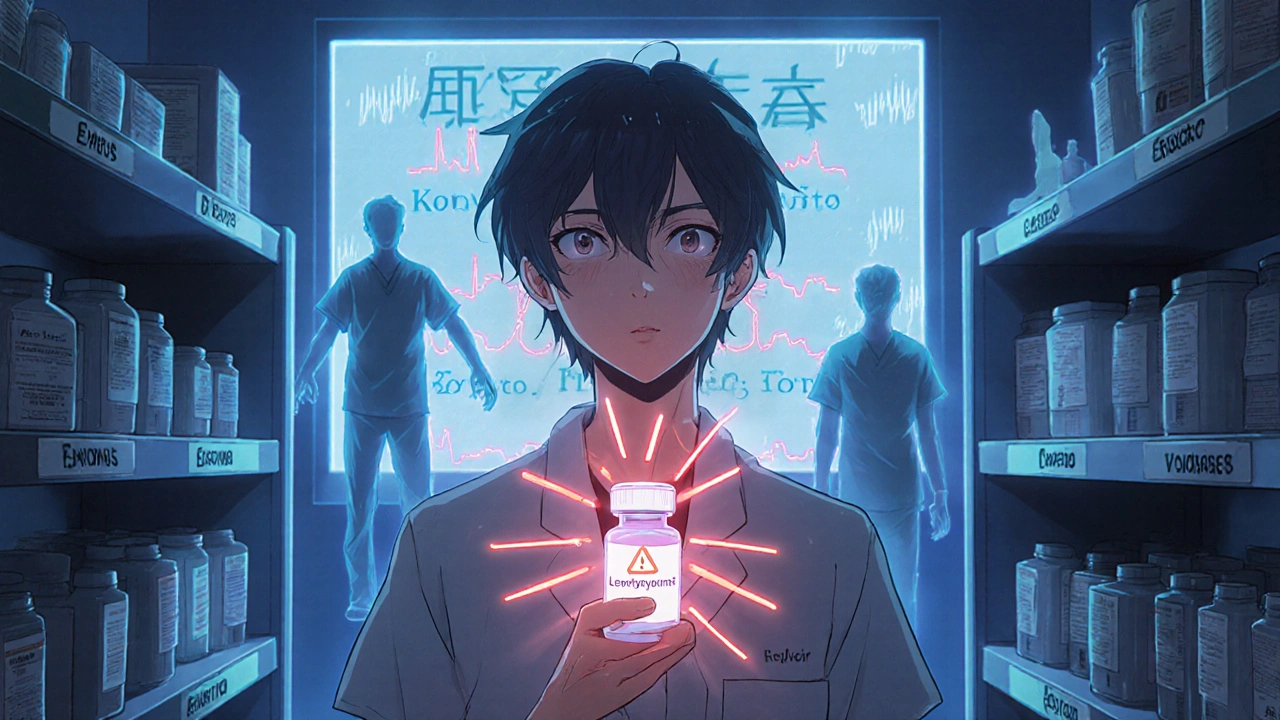
When a pharmacist fills a prescription, they’re not just handing out pills. They’re making a decision that can have legal, clinical, and ethical consequences - especially when it comes to generic substitution. In the U.S., 9 out of 10 prescriptions are filled with generic drugs. That’s not just a cost-saving win for patients and insurers - it’s also a liability minefield. Generic drugs are cheaper because they don’t repeat the expensive clinical trials of brand-name drugs. Instead, they prove they’re bioequivalent: meaning their blood levels fall within 80-125% of the original. Sounds simple, right? But for drugs like warfarin, levothyroxine, or seizure medications, even a 10% difference can mean the difference between control and crisis. The real problem isn’t the science - it’s the law. In 2011, the U.S. Supreme Court ruled in PLIVA v. Mensing that generic drug manufacturers can’t be sued for failing to update warning labels. Why? Because federal law forces them to use the exact same label as the brand-name drug. They can’t change it. So if a patient has a bad reaction, they can’t sue the maker of the generic - and they often can’t sue the brand-name company either, because they didn’t make the product. That leaves the pharmacist in the middle. And here’s the twist: 27 states give pharmacists legal protection if they substitute a generic - as long as they follow the rules. But 23 states don’t. In Connecticut, for example, pharmacists can be held liable for substitution even if it’s allowed by law. One pharmacist in Hartford told me they refused to substitute levothyroxine for years because they were terrified of being the one held responsible if a patient’s TSH levels went haywire. So how do you reduce the risk? Know your state’s rules - and update them yearly. State laws vary wildly. Some require you to notify the patient. Some let them refuse. Some demand written consent. In 18 states, you must give independent notice beyond just the label on the bottle. In 32 states, patients can say no to substitution - but only if you ask them. If you don’t, you’re on the hook. The National Association of Boards of Pharmacy updates its compendium of state laws every year. If you’re not checking it, you’re gambling. Use your EHR to flag high-risk drugs. Not all generics are equal. The American Epilepsy Society found that switching antiepileptic drugs increased seizure risk by 7.9%. A 2017 study in Epilepsy & Behavior showed 18.3% of patients had therapeutic failure after switching generics. These aren’t rare cases. They’re predictable. Set up electronic alerts in your pharmacy system. Flag drugs with narrow therapeutic indices: warfarin, levothyroxine, phenytoin, lithium, cyclosporine, and the like. Don’t rely on memory. Don’t assume the doctor knows. If the system flags it, pause. Ask. Get consent - in writing. Patients have the right to refuse substitution. But if you don’t document it, you can’t prove you asked. A standardized consent form isn’t optional - it’s your shield. The form should include:
- The brand name and generic name
- Why substitution is being offered
- The patient’s right to refuse
- A space for signature and date

James Moreau
March 21, 2026 AT 11:56J. Murphy
March 22, 2026 AT 22:26Jesse Hall
March 24, 2026 AT 19:57Grace Kusta Nasralla
March 25, 2026 AT 02:43Aaron Sims
March 26, 2026 AT 20:59Stephen Alabi
March 27, 2026 AT 00:03Agbogla Bischof
March 27, 2026 AT 04:54Elaine Parra
March 28, 2026 AT 10:08Natasha Rodríguez Lara
March 29, 2026 AT 04:13