Tag: Hatch-Waxman Act
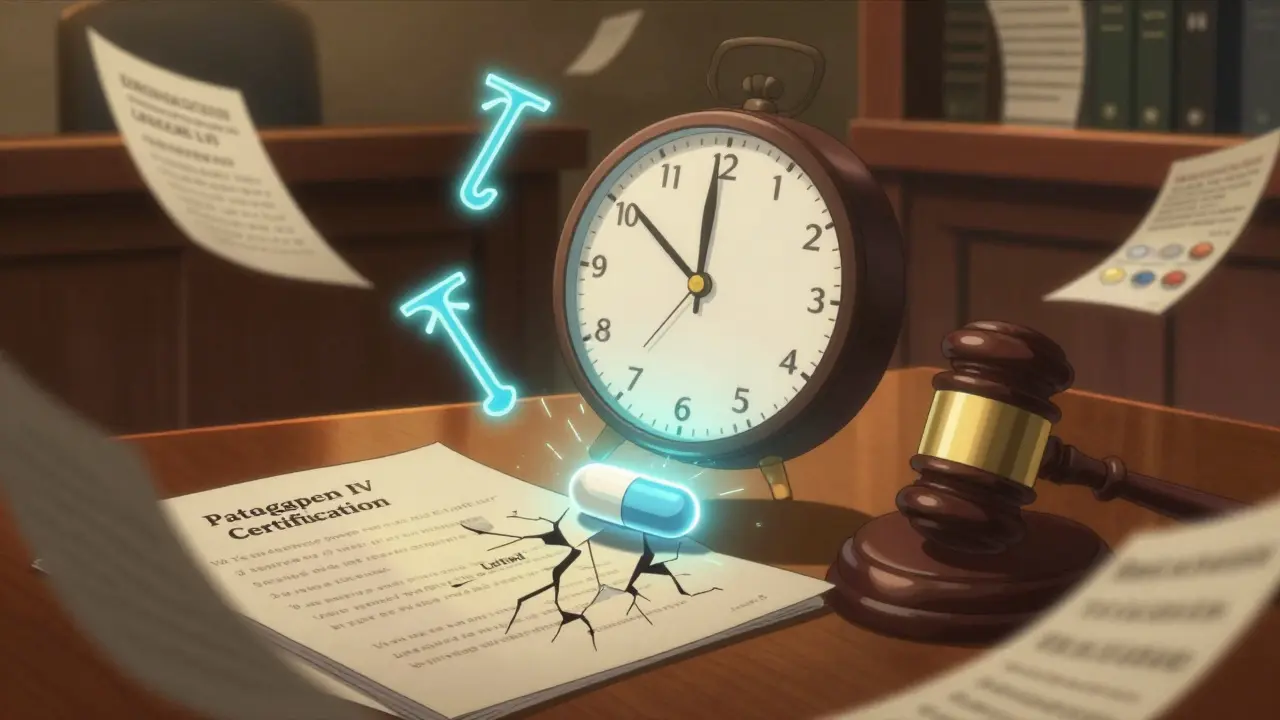
30-Month Stay: How Litigation Delays Generic Drug Approval
The 30-month stay under the Hatch-Waxman Act delays generic drug approval by tying it to patent litigation. While meant to balance innovation and access, it often extends monopolies, raising drug costs and slowing patient access.
Continue Reading
What Is an ANDA? The Complete Guide to Abbreviated New Drug Applications and FDA Approval
An ANDA is the FDA application that allows generic drug makers to prove their products are as safe and effective as brand-name drugs-without repeating costly clinical trials. It’s the backbone of affordable medicine in the U.S.
Continue Reading
First Generic vs Authorized Generic: How Market Entry Timing Shapes Drug Prices
First generics and authorized generics both lower drug prices, but when brand companies launch their own generics during the first generic's exclusivity window, they disrupt the system, reduce price drops, and undermine competition. Here's how timing changes everything.
Continue Reading
How Brand Manufacturers Produce Their Own Generic Versions
Brand-name drug makers produce their own generic versions to keep market share after patents expire. These authorized generics are identical to the original drug but sold under a different label - a legal, strategic move that affects pricing and patient choices.
Continue Reading