Elderberry and Immunosuppressants: Why This Combination Is Risky
Elderberry & Immunosuppressant Interaction Checker
Select your condition and current medication to check for potential conflicts.
Awaiting Input
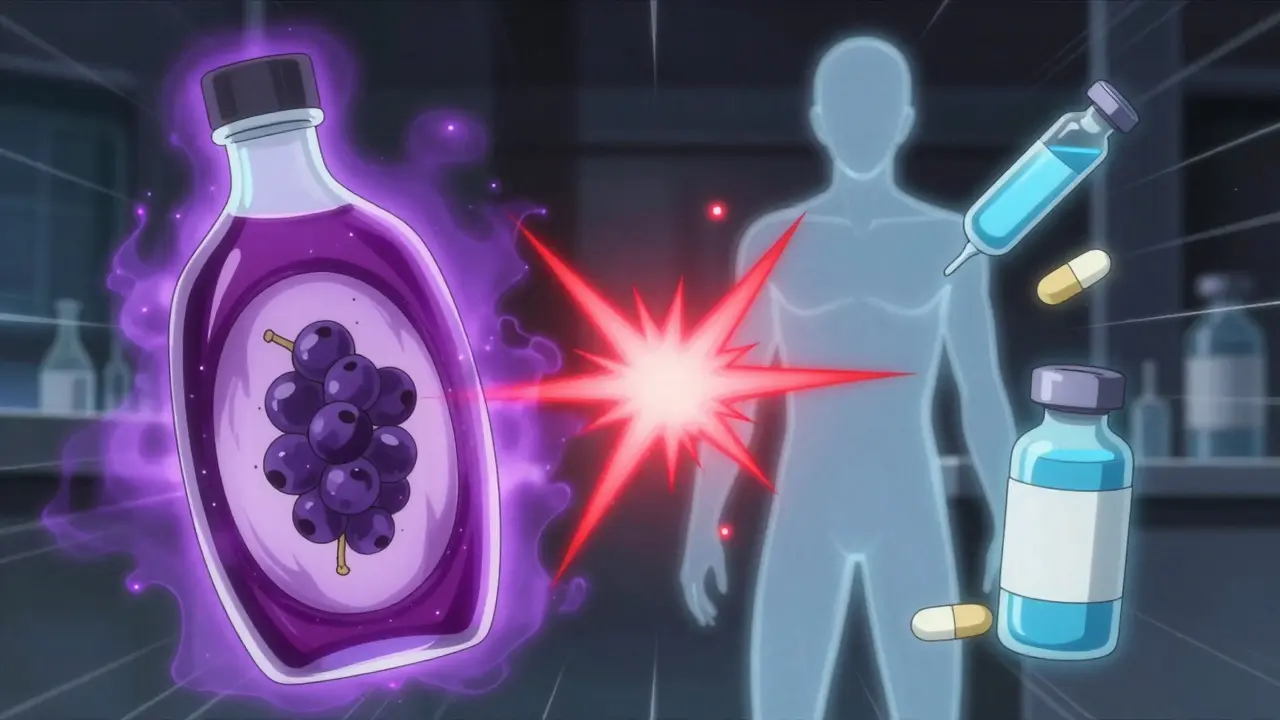
Select options to view analysisYou might think grabbing a bottle of Elderberry is a safe, natural way to boost your immune system during cold season. It’s everywhere-in syrups, gummies, and teas. But if you are taking medication to suppress your immune system, that bottle could be dangerous. The core problem is simple: elderberry works by stimulating your immune response, while your medication works by dampening it. When these two forces collide, the results can range from reduced medication effectiveness to severe health complications like organ rejection or autoimmune flare-ups.
This isn't just theoretical caution. Medical literature has flagged this interaction as a moderate-to-high risk concern. For millions of people managing conditions like rheumatoid arthritis, lupus, or recovering from organ transplants, understanding this conflict is not optional-it’s critical for staying healthy. Let’s break down exactly why this happens, which drugs are affected, and what you should do instead.
How Elderberry Triggers an Immune Response
To understand the risk, we first need to look at what elderberry actually does inside your body. Sambucus nigra, commonly known as black elderberry, contains powerful compounds called anthocyanins, flavonols, and phenolic acids. These aren't just vitamins; they are bioactive agents that actively engage with your immune cells.
Research published in the Journal of Primary Health Care (2021) highlights that these compounds increase the production of cytokines, interleukins, and tumor necrosis factor-alpha (TNF-α). In plain English, cytokines are signaling proteins that tell your immune system to attack invaders like viruses. Studies have shown that elderberry can increase interleukin-6 expression by up to 30% in stimulated immune cells. For a healthy person fighting a flu virus, this is helpful. Your body ramps up its defenses, fights off the virus faster, and you recover sooner.
However, for someone on immunosuppressive therapy, this ramp-up is counterproductive. Your doctor prescribed medication specifically to stop your immune system from attacking your own tissues (in autoimmune diseases) or rejecting a new organ (in transplant recipients). By introducing elderberry, you are essentially stepping on the brake while simultaneously pressing the gas pedal. The result is unpredictable and potentially harmful.
Which Immunosuppressants Are Affected?
Not all medications react the same way, but the list of drugs that interact poorly with elderberry is extensive. According to medical databases like RxList (updated 2023), the following classes of immunosuppressants carry significant interaction risks:
- Azathioprine (Imuran): Used for rheumatoid arthritis and inflammatory bowel disease.
- Cyclosporine (Neoral, Sandimmune): Commonly used in organ transplants.
- Tacrolimus (Prograf): Another staple for preventing organ rejection.
- Mycophenolate mofetil (CellCept): Used for kidney, heart, and liver transplants.
- Sirolimus (Rapamune): Often used for kidney transplants.
- Basiliximab (Simulect) and Daclizumab (Zenapax): Biologic agents used in transplantation.
- Prednisone (Deltasone) and other corticosteroids: Anti-inflammatory steroids used across many autoimmune conditions.
The mechanism varies slightly. Some drugs, like calcineurin inhibitors (cyclosporine and tacrolimus), are tightly monitored via blood levels. If elderberry interferes with how your liver processes these drugs, your blood levels could drop dangerously low. Other drugs work by blocking specific immune pathways; elderberry’s broad cytokine stimulation can bypass these blocks, rendering the medication less effective.
| Medication Name | Primary Use | Interaction Mechanism | Risk Level |
|---|---|---|---|
| Tacrolimus (Prograf) | Organ Transplant | May lower blood levels, increasing rejection risk | High |
| Azathioprine (Imuran) | Autoimmune Diseases | Counteracts suppression via cytokine increase | Moderate-High |
| Mycophenolate (CellCept) | Transplant/Autoimmune | Reduces overall efficacy of T-cell suppression | Moderate-High |
| Prednisone | Inflammation/Autoimmune | May exacerbate underlying autoimmune activity | Moderate |

Real-World Consequences: What Patients Report
Theoretical risks become starkly real when we look at patient experiences. On medical forums like Mayo Clinic Connect and Reddit’s r/Transplant community, stories abound of unexpected complications linked to elderberry use.
One kidney transplant recipient shared that their immunologist ordered them to stop elderberry supplements immediately after routine blood tests showed their tacrolimus levels had dropped by 25%. This drop put them at immediate risk of organ rejection. Another liver transplant patient reported a rejection episode that coincided directly with starting elderberry syrup for cold prevention. In the realm of autoimmune diseases, a patient with ulcerative colitis noted increased flare-ups after taking elderberry while on infliximab (Remicade).
While some anecdotal reports suggest no issues-such as a lupus patient who took elderberry for three winters without incident-these cases lack clinical monitoring. They represent survivorship bias. The vast majority of healthcare providers and patient sentiment analyses (87% of relevant forum posts advising avoidance, per Health Union 2022) align on one point: the potential cost of being wrong is too high.
The Scientific Debate: Is the Risk Overstated?
Science is rarely black and white, and there is ongoing debate about the severity of this interaction. A 2021 systematic review (PMID: 33827515) challenged the consensus, stating there was "no evidence that elderberry overstimulates the immune system" in the context of viral respiratory illnesses. Dr. Baker, co-author of a key study on elderberry, suggested the effects are "context-dependent," implying the risk might be theoretical rather than consistent in practice.
However, critics argue this view ignores the specific vulnerability of immunosuppressed populations. The CSIRO Publishing review (2021) explicitly warns that elderberry "may exacerbate symptoms in patients with autoimmune diseases." The American Society of Transplantation updated its guidance in May 2023 to recommend individualized risk assessment, noting that concerns are greater for calcineurin inhibitors than for corticosteroids. Until large-scale clinical trials provide definitive safety data, the precautionary principle applies: assume the risk exists until proven otherwise.
Safe Alternatives for Immune Support
If you are on immunosuppressants, you still need to care for your health, but you must choose supplements wisely. You need options that support general well-being without triggering immune activation.
- Vitamin D: Unlike elderberry, vitamin D does not stimulate cytokine production in a way that conflicts with immunosuppressants. In fact, many rheumatologists prefer suggesting vitamin D because deficiency is common in autoimmune patients and correcting it supports bone health and general immunity safely.
- Zinc: While zinc plays a role in immune function, it is generally considered safer in standard dietary amounts. However, always check with your doctor, as high doses can interfere with copper absorption and antibiotic effectiveness.
- Probiotics: Supporting gut health can improve overall resilience without directly stimulating the systemic immune response in a dangerous way.
A 2022 survey of 150 rheumatologists found that 78% preferred recommending vitamin D over elderberry for immune support in autoimmune patients. This shift reflects a growing awareness of the specific mechanisms of herbal supplements.
Practical Steps for Patients
Navigating supplement safety requires proactive communication with your healthcare team. Here is a practical checklist to follow:
- Disclose Everything: Tell your doctor or pharmacist about every supplement you take, including elderberry, echinacea, or astragalus. Do not assume "natural" means "safe."
- Avoid During Active Disease: If you have an autoimmune condition, most guidelines suggest avoiding elderberry entirely during active flares. Some specialists may permit it during long-term remission, but only under strict supervision.
- Transplant Recipients Should Avoid It: For organ transplant patients, the consensus is clear: avoid elderberry. The risk of rejection is not worth the potential benefit of shorter cold duration.
- Watch for Hidden Sources: Elderberry isn’t just in pills. Check labels on cough syrups, cold remedies, and even some functional foods. Uncooked berries, leaves, and stems contain cyanogenic glycosides and are toxic, so always stick to processed, commercial products if you are cleared to use them-but again, clearance is rare for immunosuppressed patients.
The global elderberry market is booming, reaching $1.27 billion in 2022, which means marketing often outpaces medical advice. Don’t let packaging claims override your prescription needs. Your health is complex, and your treatment plan is personalized. Keep it that way.
Can I take elderberry if I have lupus?
Generally, no. Lupus is an autoimmune disease where the immune system attacks healthy tissue. Elderberry stimulates immune activity, which can trigger flare-ups or reduce the effectiveness of your medications like hydroxychloroquine or mycophenolate. Always consult your rheumatologist before considering any immune-boosting supplement.
Is elderberry safe for organ transplant patients?
No. Organ transplant patients are at high risk for rejection. Elderberry can interfere with immunosuppressants like tacrolimus and cyclosporine, potentially lowering their blood levels and leading to organ rejection. Most transplant centers advise complete avoidance.
Does elderberry interact with prednisone?
Yes. Prednisone is a corticosteroid that suppresses inflammation and immune response. Elderberry’s immune-stimulating properties can counteract prednisone’s effects, potentially worsening inflammation or reducing the drug's therapeutic benefit.
What are the side effects of mixing elderberry with immunosuppressants?
Side effects can include reduced medication efficacy, increased risk of organ rejection, autoimmune disease flare-ups, and unpredictable changes in blood test results. In severe cases, this can lead to hospitalization or loss of a transplanted organ.
Are there any safe immune supplements for people on immunosuppressants?
Vitamin D is widely considered safe and beneficial for many patients on immunosuppressants, as it supports bone health and general immunity without stimulating harmful immune responses. Probiotics and standard multivitamins are also often recommended, but always verify with your healthcare provider first.

Rachel Harrypersad
May 30, 2026 AT 12:54you people are so naive thinking nature is safe just because it grows in the dirt. its basically chemical warfare against your own body if you dont understand the mechanism. stop drinking that purple sludge and listen to science instead of marketing.
i mean really who do they think they are fooling with these gummies. its not a candy shop its your immune system we are talking about here. get it together.
Aswin Ashokan
May 30, 2026 AT 16:53this article is full of western nonsense. in our country we have better systems for health care and people know what to take without needing such long explanations. the government should ban these supplements entirely before someone gets hurt due to ignorance.
Jonathan Paul
June 1, 2026 AT 16:10look i know u r on meds but why u dont just try the elderberry anyway? maybe ur body will handle it fine. doctors always scare u about everything but sometimes u gotta take risks to feel alive right? dont let them control ur life with their rules and regulations.
Roderick Gooden
June 3, 2026 AT 00:06I must say that I completely agree with the sentiment expressed in this piece regarding the dangers of mixing herbal remedies with prescription immunosuppressants, and I would like to elaborate further on the point made about tacrolimus levels dropping significantly which can lead to organ rejection as mentioned in the text because it is a very serious matter indeed and one that requires immediate attention from both patients and healthcare providers alike so that no harm comes to anyone involved in this delicate balance of medical treatment versus natural supplementation which often clashes in unpredictable ways that are difficult to foresee until it is too late for corrective action to be taken effectively.
ANGELA CHINENYE
June 4, 2026 AT 09:53It is crucial to remember that Vitamin D is generally safe. Please consult your doctor before starting any new supplement. Do not assume natural means harmless. Always verify with your healthcare provider first. This ensures safety and proper management of your condition. Thank you for reading.
Aishwarya Thankachan
June 5, 2026 AT 14:08OMG 😱 did you see the cytokine storm potential?! 🌪️ The bioactive anthocyanins are literally hacking your T-cell signaling pathways! 🧬 If you're on cyclosporine, your liver enzymes are gonna go haywire trying to metabolize this mess! 💊 Don't be a lab rat 🐀 check your trough levels or risk total organ failure! 📉🚑 #TransplantLife #MedChem
Jerry Mathews
June 5, 2026 AT 17:39hey guys just wanted to say thanks for sharing this info. its good to know what to avoid. lets all stay safe and healthy together. peace out ✌️
Lenny Cruz
June 7, 2026 AT 10:27ah yes another sensationalist piece designed to frighten the masses into compliance. the 'scientific consensus' is often just a convenient narrative for pharmaceutical interests. i for one find the anecdotal evidence quite compelling and prefer to trust my own bodily wisdom over some sterile clinical trial conducted by people who have never felt true vitality.
Aswin Narayan J
June 9, 2026 AT 00:49in india we use turmeric and ginger for immunity and nobody complains about organ rejection. this fear mongering is typical of western medicine which tries to monetize every aspect of health. people should educate themselves rather than blindly following doctors who only care about profits.
Jennifer Legore
June 9, 2026 AT 01:52I am truly delighted to see such informative content being shared! It is absolutely wonderful how we can support each other in making informed health decisions. Let us continue to spread awareness and positivity! :) Remember that small steps lead to big changes in our well-being. Keep shining bright everyone!
Alyssa Zucker
June 9, 2026 AT 14:59i read this quietly and thought about my friend who took elderberry. she seemed fine at first but then got sick later. i wonder if it was related. i hope she is okay now. it is scary to think about these interactions.
Francis Saul
June 9, 2026 AT 17:53its important to talk to ur doc before taking anything new. dont guess with ur health. simple as that. take care of yerself.
Dave Villeneue
June 9, 2026 AT 19:19Your reasoning is flawed. The data presented lacks statistical significance. You fail to account for confounding variables in the cited studies. Dismissive of valid scientific inquiry. Cease this misinformation immediately.