Archive: 2026/01 - Page 2

Contamination Controls: Preventing Adulteration in Generic Pharmaceutical Manufacturing
Contamination controls in generic drug manufacturing prevent harmful adulteration from chemicals, microbes, or cross-contamination. Learn how cleanrooms, real-time monitoring, and human factors impact safety-and why failing to act risks recalls and regulatory shutdowns.
Continue Reading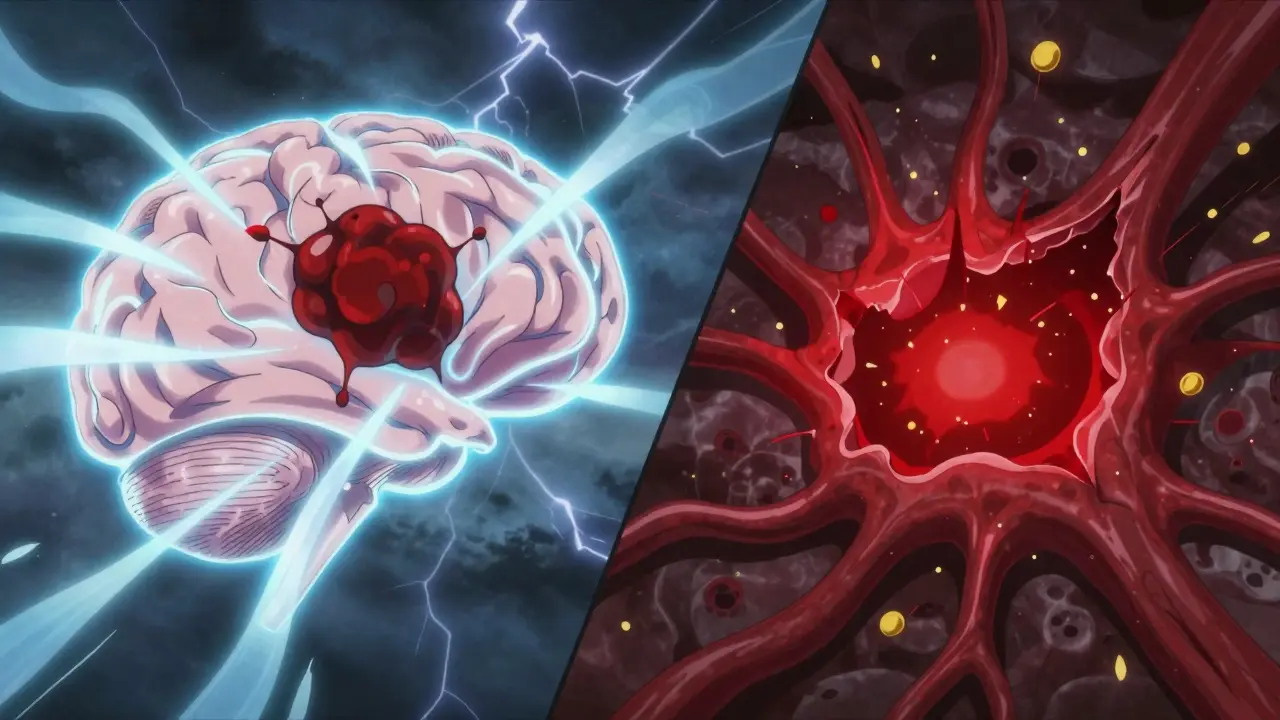
Stroke Types: Ischemic vs. Hemorrhagic and How to Prevent Them
Learn the key differences between ischemic and hemorrhagic strokes, their causes, symptoms, and proven prevention strategies. Know what to do when seconds count.
Continue Reading
Sepsis: Recognizing Early Warning Signs and Understanding Hospital Treatments
Learn the early warning signs of sepsis and how hospitals treat it to save lives. Know what to look for, what to expect in the ER, and why timing is everything.
Continue Reading
Nausea from Opioids: How to Manage Antiemetics, Timing, and Diet Adjustments
Learn how to manage nausea from opioids using proven antiemetics, correct timing, and simple diet changes. Most patients improve within a week-here's how to get there faster.
Continue Reading
What Is an ANDA? The Complete Guide to Abbreviated New Drug Applications and FDA Approval
An ANDA is the FDA application that allows generic drug makers to prove their products are as safe and effective as brand-name drugs-without repeating costly clinical trials. It’s the backbone of affordable medicine in the U.S.
Continue Reading
Fournier’s Gangrene and Diabetes Medications: Emergency Signs You Can’t Ignore
Fournier’s gangrene is a rare but deadly infection linked to SGLT-2 inhibitor diabetes drugs like Jardiance and Farxiga. Know the emergency signs-severe pain, swelling, fever-and act fast. This isn’t a myth-it’s a real, life-threatening risk.
Continue Reading
Autoimmune Overlap Syndromes: Recognizing Mixed Features and Coordinating Care
Autoimmune overlap syndromes combine features of multiple autoimmune diseases like lupus, scleroderma, and myositis. Diagnosis is challenging, lung damage is a major risk, and coordinated care is essential for better outcomes.
Continue Reading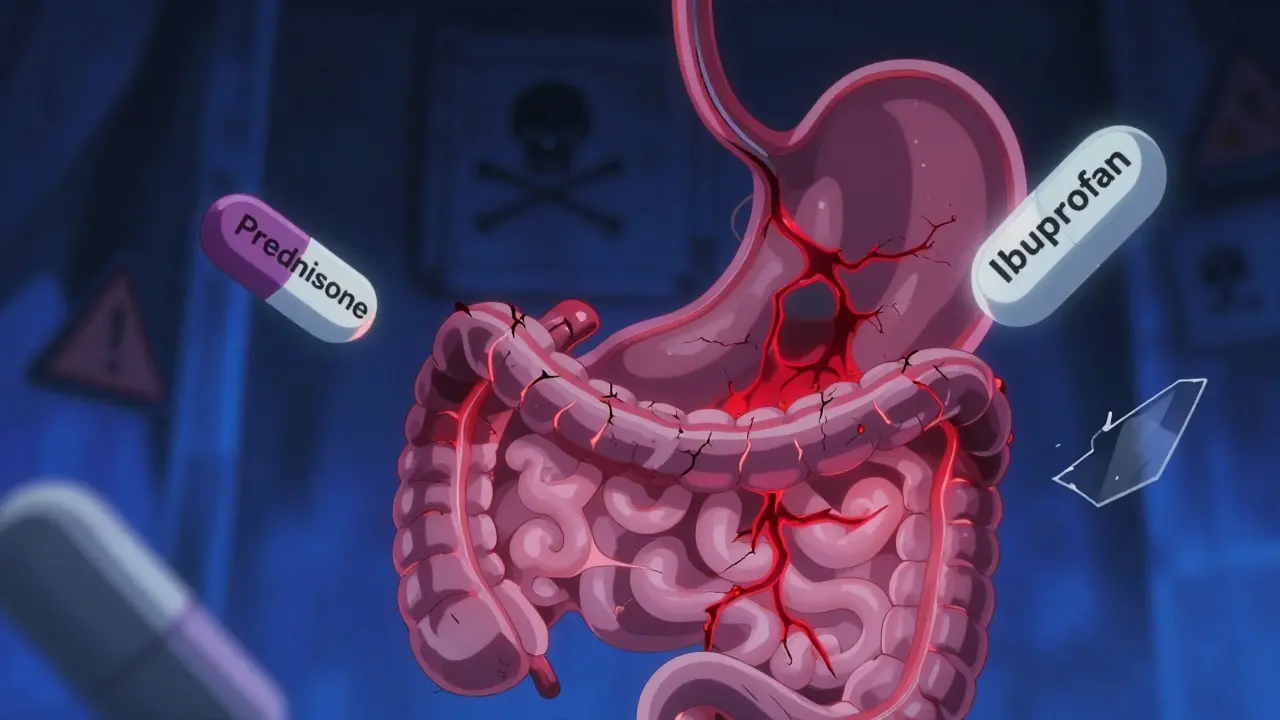
Steroids and NSAIDs Together: Why This Combo Raises GI Bleeding Risk and How to Prevent It
Taking steroids and NSAIDs together can raise your risk of dangerous GI bleeding by up to 12 times. Learn who’s at risk, why common protections fail, and what actually works to prevent life-threatening complications.
Continue Reading
L-Tryptophan and Antidepressants: What You Need to Know About Serotonin Overlap and Safety
L-Tryptophan is the building block of serotonin-but combining it with antidepressants like SSRIs can trigger dangerous serotonin syndrome. Learn who should avoid it, how it works, and what the science really says about safety and effectiveness.
Continue Reading
Perforated Eardrum: Healing Timelines and How to Protect Your Ear
Most perforated eardrums heal on their own in 3 to 8 weeks if protected properly. Learn the timeline, what to avoid, and when to see a doctor to prevent infection and permanent hearing loss.
Continue Reading
Statins and Antifungal Medications: How Their Interaction Raises Rhabdomyolysis Risk
Statins and certain antifungals can dangerously interact, increasing the risk of rhabdomyolysis-a life-threatening muscle breakdown. Learn which combinations are most dangerous and how to stay safe.
Continue Reading