Meds2Australia

Schizophrenia: Understanding Antipsychotic Medications and Atypical Agents
Antipsychotic medications are essential for managing schizophrenia, but choices vary widely in effectiveness and side effects. Learn how atypical agents compare, which drugs work best, and what to expect during treatment.
Continue Reading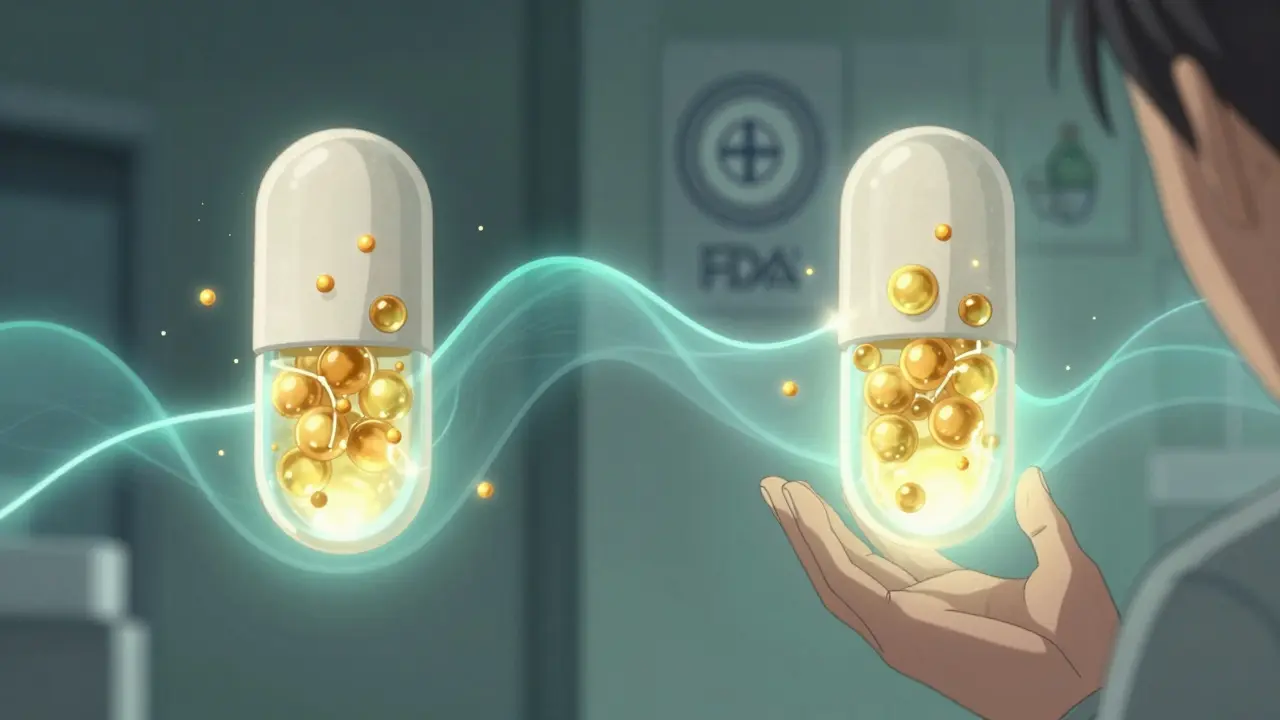
Infographics About Generics: Visual Education Tools for Patient Understanding
Infographics about generics help patients understand that generic drugs are just as safe and effective as brand-name versions. These visual tools break down complex science into simple images, increasing trust and use-saving billions in healthcare costs.
Continue Reading
How to Read the NDC Number to Confirm the Correct Medication
Learn how to read the NDC number on medication labels to prevent dangerous dispensing errors. Understand the 3-segment code, format variations, and how to verify your prescription matches the drug you're given.
Continue Reading
When Expired Medications Become Toxic and Dangerous: What You Need to Know
Most expired medications are safe but less effective-but some, like insulin and nitroglycerin, can become toxic. Learn which drugs to never use past their expiration date and how storage affects their safety.
Continue Reading
GLP-1 Receptor Agonists: How They Help You Lose Weight and Lower A1C
GLP-1 receptor agonists like Ozempic and Wegovy help lower A1C and promote significant weight loss by slowing digestion, reducing appetite, and improving insulin response. Learn how they work, what results to expect, and the real challenges of cost and side effects.
Continue Reading
How to Prevent Heat-Related Medication Problems in Seniors
Heat waves can be deadly for seniors on certain medications. Learn which drugs increase heat risk, how to adjust routines, and what signs to watch for to prevent heat exhaustion and stroke.
Continue Reading
Vaccinations While on Immunosuppressants: Live vs Inactivated Guidance
Learn exactly which vaccines are safe and when to get them if you're on immunosuppressants like steroids, rituximab, or methotrexate. Updated 2025 guidelines for live vs inactivated vaccines.
Continue Reading
Dong Quai and Warfarin: What You Need to Know About the Bleeding Risk
Dong Quai can dangerously increase the blood-thinning effects of warfarin, raising bleeding risk. Learn why medical experts advise avoiding this herbal supplement if you're on anticoagulant therapy.
Continue Reading
Clinical Outcomes Data: What Studies Show Providers About Generic Medications
Clinical outcomes data shows generic medications are just as effective and safe as brand-name drugs for nearly all conditions. Providers can confidently prescribe generics, backed by decades of research and real-world evidence.
Continue Reading
Patient Counseling on Generics: What Pharmacists Must Discuss to Ensure Adherence and Trust
Pharmacists must counsel patients on generic medications to address misconceptions, ensure adherence, and prevent dangerous treatment interruptions. Learn the essential topics to cover and how to do it effectively.
Continue Reading
Antibiotic Effectiveness After Expiration Dates: What You Need to Know Now
Expired antibiotics don't always become dangerous-but they often lose potency, risking treatment failure and fueling antibiotic resistance. Learn what's safe, what's risky, and how storage affects effectiveness.
Continue Reading
Contamination Controls: Preventing Adulteration in Generic Pharmaceutical Manufacturing
Contamination controls in generic drug manufacturing prevent harmful adulteration from chemicals, microbes, or cross-contamination. Learn how cleanrooms, real-time monitoring, and human factors impact safety-and why failing to act risks recalls and regulatory shutdowns.
Continue Reading